
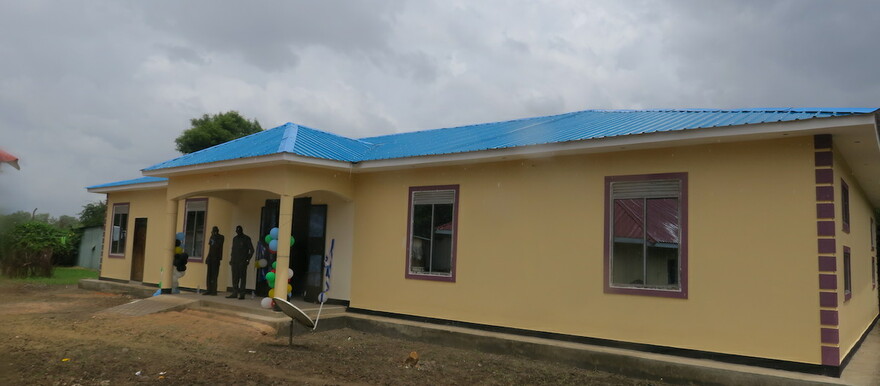
Jonglei State: Civil Society Demands End to Legislative Assembly Closure
Summary
- The Jonglei State Legislative Assembly has been closed for two years, failing to reconvene since its recess in November 2024, despite a new speaker being sworn in.
- The National Civil Society Coalition Jonglei is urging the assembly's reopening, citing limitations on lawmakers' ability to represent constituents and exercise state government oversight.
- Reasons for the closure are disputed, with some pointing to a lack of political will and executive weakening, while others cite economic difficulties and budgetary needs for 100 MPs and 17 committee heads.
- The shutdown prevents residents from raising local concerns, particularly amid communal disputes linked to the creation of new administrative units, and has halted the delivery of services through MPs.
- The prolonged legislative vacuum creates significant legal and regulatory uncertainty, impacting the creation of new laws, budget approvals, and overall governance stability in Jonglei.
Prolonged Legislative Inactivity in Jonglei
The prolonged legislative vacuum severely hampers the ability of elected representatives to fulfill their duties, including advocating for their constituents and exercising crucial oversight functions over the state government.
The Jonglei State Legislative Assembly has remained shuttered for an extended period, prompting a prominent civil society organization to renew its urgent appeal for the body's immediate reopening. This significant Jonglei parliament shutdown has persisted for two years, with the assembly failing to reconvene since its recess in November 2024. The National Civil Society Coalition Jonglei highlights that this prolonged legislative vacuum severely hampers the ability of elected representatives to fulfill their duties, including advocating for their constituents and exercising crucial oversight functions over the state government.
The call for action from the National Civil Society Coalition comes several months after a new speaker was officially appointed and sworn into office in April 2026, filling a vacancy that had lasted for about a year. Despite this key leadership position being filled, the legislative body has not resumed its sessions. Bol Deng Bol, who leads the National Civil Society Coalition, expressed bewilderment regarding the continued closure, especially given the new speaker's installation. He noted that while the speaker participates in various forums, it is on a personal capacity, not as a representative of a functioning assembly.
Disputed Causes and Political Will Questions
The reasons behind the ongoing Jonglei State Legislative Assembly closure are subject to differing interpretations among state officials and civil society. Bol Deng Bol of the National Civil Society Coalition has openly questioned whether the persistent shutdown stems from budgetary constraints, a lack of genuine political will, or simply a desire among Members of Parliament to extend their recess. He recounted that the coalition had repeatedly engaged with the assembly's leadership, only to be informed that preparations for reopening were supposedly underway.
Adding to the debate, Gatluak Reat, a member of the state assembly, firmly supported the demand for the legislature's resumption. Reat directly accused the state executive of intentionally undermining the assembly's critical Jonglei executive oversight role. He asserted that the closure is not attributable to the previous speaker vacancy but rather to a fundamental absence of political will. Reat further highlighted that the new speaker's swearing-in occurred without the presence of the majority of MPs, underscoring the assembly's current state of paralysis. Conversely, lawmaker Deng Bol Wuol dismissed the notion that the executive was responsible for the closure, instead attributing it to severe economic difficulties impacting the state. He acknowledged that efforts are indeed in progress to facilitate the assembly's return to session.
Impact on Governance and Citizen Representation
The extended Jonglei State Legislative Assembly closure has profound implications for governance and the fundamental rights of citizens to be represented. According to Bol Deng Bol, the inability of the assembly to function means that residents are deprived of the essential avenue to voice their local concerns through their elected representatives. This issue is particularly acute amidst ongoing communal disputes within the state, which Bol has linked to the unilateral establishment of new administrative units, specifically payams and bomas.
Bol emphasized that the absence of a functioning legislature has meant that no tangible services have been delivered to the populace through their MPs. This legislative void effectively silences local voices and prevents the redress of community-level issues. Gatluak Reat reiterated that the continued shutdown renders lawmakers largely ineffective, unable to perform their duties or contribute meaningfully to the state's governance. The lack of active Jonglei executive oversight creates a significant accountability gap, leaving critical decisions unchecked and citizen grievances unaddressed.
Legal and Regulatory Uncertainty
The protracted South Sudan state legislative closure in Jonglei creates a substantial legislative vacuum, leading to considerable legal and regulatory uncertainty within the state. Without a functioning legislative body, the process for creating new laws, scrutinizing existing statutes, and approving essential state budgets is effectively stalled. This situation directly impacts the legal frameworks governing various aspects of life and commerce in Jonglei, potentially affecting the operations of businesses and the rights of individuals.
Lawmaker Deng Bol Wuol underscored the financial challenges associated with reactivating the assembly, noting that reopening would necessitate a budget to support 100 Members of Parliament, along with 17 heads of specialized committees and their deputies. He pointed to insecurity as a factor that has adversely affected state revenue streams, including the vital fisheries sector. Despite these financial hurdles, Wuol affirmed that the newly appointed speaker is actively working towards the reopening of the Jonglei State Legislative Assembly, a move critical for restoring legislative order and addressing the current governance deficit.
Practical Implications
Lawyers and compliance officers operating in Jonglei State should note the continued legislative vacuum, which impacts the creation of new laws, budget approvals, and executive oversight. This situation creates uncertainty regarding legal frameworks and avenues for legislative redress, potentially affecting client operations and governance stability.
Source
How does this affect you?
Get an AI analysis of this article grounded in your jurisdictions, practice areas, and any policy documents you've uploaded to Wansom.
Wansom is AI and can make mistakes.