
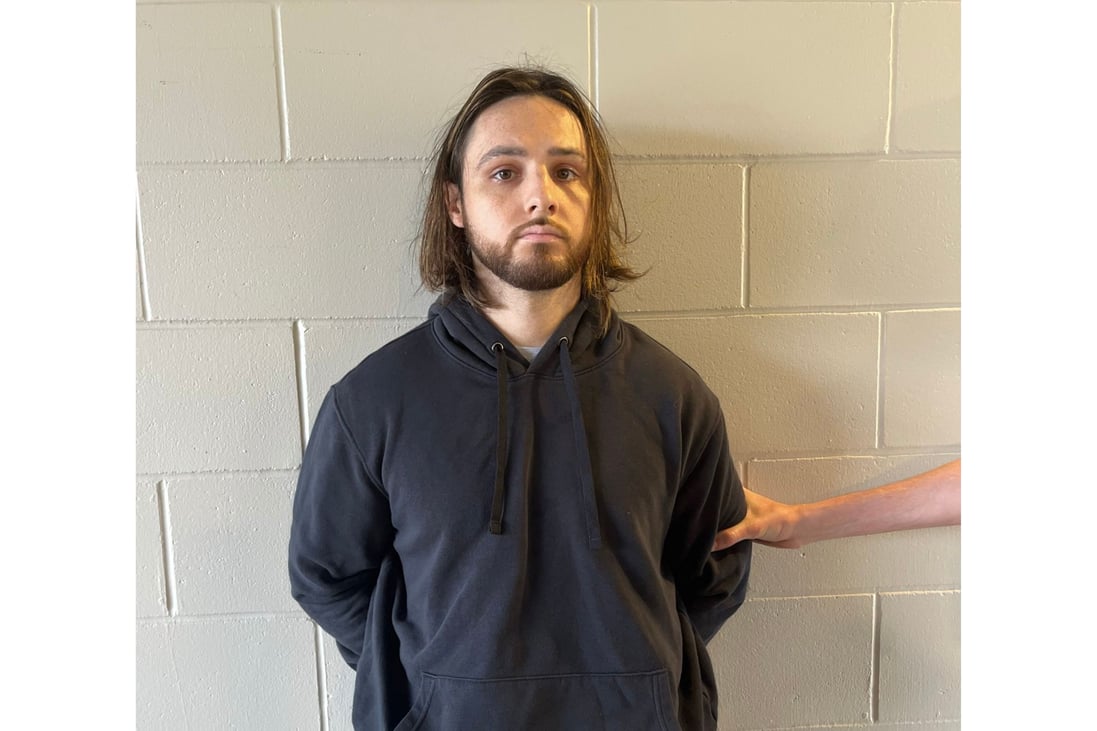
Jonathan Rinderknecht: Federal Jury Issues Palisades Fire Arson Conviction
Summary
- Jonathan Rinderknecht, a 30-year-old former Uber driver, was convicted by a federal jury on two counts of arson related to the 2025 Palisades Fire.
- Prosecutors alleged Rinderknecht started the initial Lachman Fire on January 1, 2025, which later reignited into the devastating Palisades Fire.
- The Palisades Fire destroyed thousands of homes, killed 12 people, and was one of Los Angeles's most destructive wildfires.
- Evidence included surveillance footage, cell phone data, Rinderknecht's statements, and his alleged attempts to create an alibi.
- This conviction followed a retrial, as the first trial in June resulted in a mistrial with a jury split 10-2 in favor of acquittal.
What Happened
This outcome underscores the tenacity of federal prosecutors in pursuing such cases, particularly when relying on a combination of digital forensics, surveillance, and behavioral evidence to secure a conviction for environmental crimes of this magnitude.
A federal jury has found Jonathan Rinderknecht, a 30-year-old Florida resident and former Uber driver, guilty on two counts of arson. This conviction stems from his alleged role in igniting the Lachman Fire on January 1, 2025, which subsequently led to the devastating Palisades Fire six days later. The initial blaze, which prosecutors contend Rinderknecht started near a Pacific Palisades residence he once shared with a former partner, escalated into one of Los Angeles's most destructive wildfires.
The prosecution argued that Rinderknecht, reportedly agitated and angry on New Year's Eve, dropped off an Uber passenger in the Pacific Palisades shortly before midnight. He then allegedly parked his vehicle near a trailhead and hiked into the hills to the "Hidden Buddha clearing." Surveillance footage and his cell phone data placed him at the scene where the brush fire first ignited. Prosecutors further claimed he used a large grill lighter, later discovered in his car, to start the fire, lingered as it spread, and then called 911 in an attempt to establish an alibi. He also reportedly inquired with ChatGPT about responsibility for a fire started by a cigarette, another alleged effort to create a defense.
The Evidence Presented
Federal prosecutors built their case against Jonathan Rinderknecht largely on circumstantial evidence, meticulously piecing together his movements and state of mind. Surveillance cameras from nearby homes, specifically those designed to detect early signs of wildfires, captured the initial ignition near the clearing where Rinderknecht's cell phone data indicated his presence shortly after midnight on January 1, 2025. His own statements made to investigators also formed part of the evidence presented.
Beyond the physical and digital traces, the prosecution highlighted Rinderknecht's emotional state leading up to the incident. They presented evidence of angry text messages he sent to a girlfriend who had requested space from him the night before, alongside testimony from Uber passengers who recounted enduring his rants during rides on New Year's Eve. This narrative painted a picture of a disgruntled individual, which prosecutors suggested provided a motive for the arson.
Legal Context
This recent conviction marks the second trial for Jonathan Rinderknecht concerning the Palisades Fire arson charges. His first trial, held in June, concluded with a mistrial after the jury was split 10-2 in favor of acquittal. U.S. District Judge Anne Hwang, a Joe Biden appointee, presided over both proceedings and declared the initial mistrial. Ahead of the first trial, Judge Hwang ruled that the Los Angeles Fire Department's response to the initial fire, including any failure to fully extinguish it, would not be a factor in the trial.
Following the guilty verdict, Judge Hwang has scheduled Rinderknecht's sentencing for March 17. He faces a potential sentence of up to five years in federal prison for the federal arson conviction in California. Steven Haney, Rinderknecht's attorney, expressed disappointment with the outcome, stating that the defense team would explore potential grounds for an appeal.
Why It Matters
The Palisades Fire, which erupted on January 7, 2025, when extreme Santa Ana winds reignited embers from the initial Lachman Fire that had smoldered for six days among tree roots, caused immense destruction. It became one of the most devastating wildfires in Los Angeles's history, resulting in the destruction of thousands of homes in affluent areas like Pacific Palisades and Malibu, and tragically claiming 12 lives before it was finally contained on January 31, 2025.
Assistant U.S. Attorney Mark Williams, representing the prosecution, expressed satisfaction with the jury's decision, emphasizing their focus on the presented evidence. The jury deliberated for two days before delivering the guilty verdict on both arson counts. This outcome underscores the tenacity of federal prosecutors in pursuing such cases, particularly when relying on a combination of digital forensics, surveillance, and behavioral evidence to secure a conviction for environmental crimes of this magnitude.
Practical Implications
This case demonstrates the prosecutorial tenacity in pursuing arson charges, even after a mistrial, and highlights the reliance on circumstantial evidence such as cell phone data and surveillance footage in securing convictions for devastating environmental crimes. Criminal defense attorneys should note the challenges in defending such cases, particularly when intent is inferred from a defendant's actions and digital footprint.
Source
How does this affect you?
Get an AI analysis of this article grounded in your jurisdictions, practice areas, and any policy documents you've uploaded to Wansom.
Finish Reading the Full Story and the Expert Analysis.
Get the latest legal & regulatory intelligence in United States
Wansom is AI and can make mistakes.