
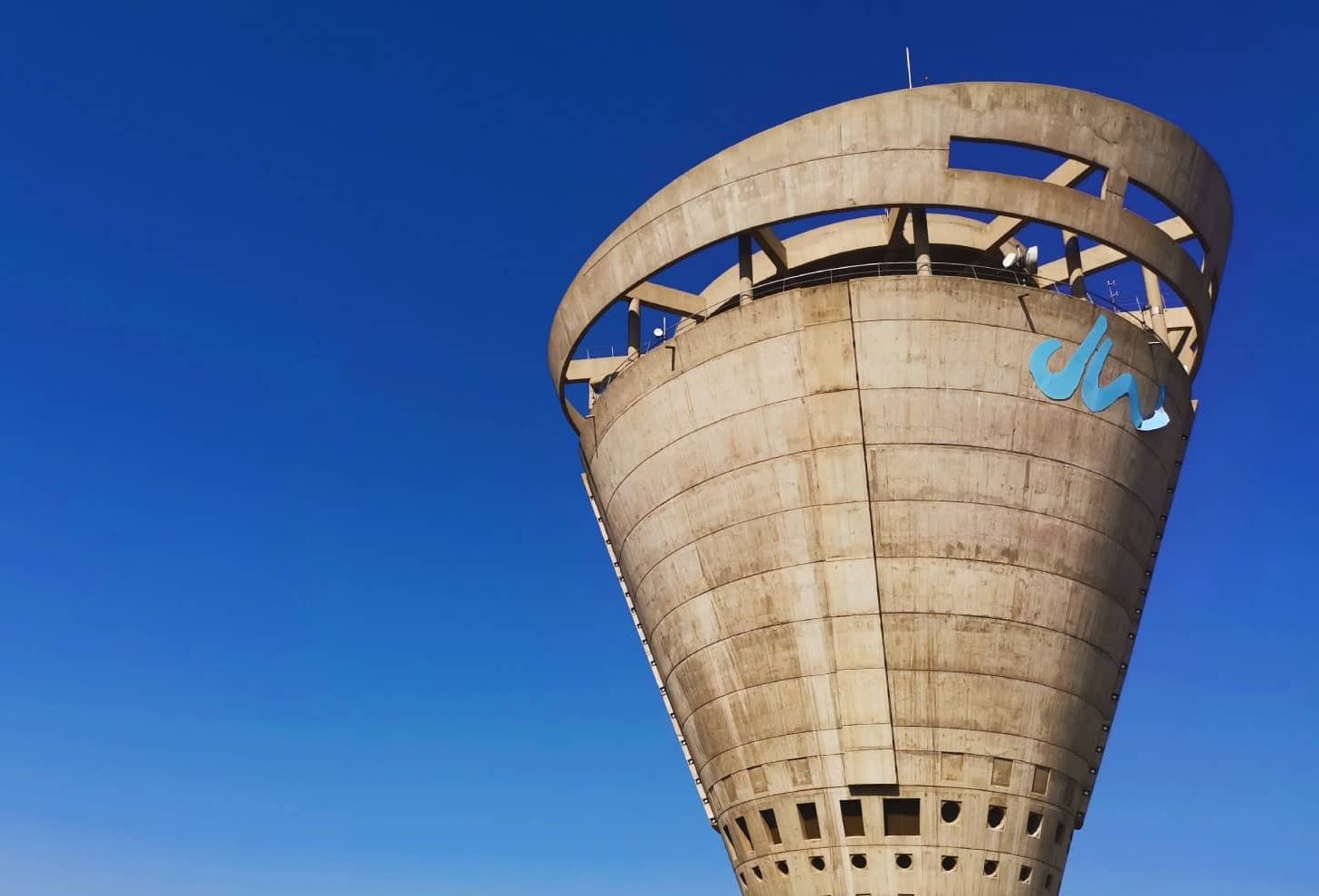
Johannesburg: Tighter Water Restrictions Imposed Under By-laws
Joburg Water, with the City of Johannesburg's concurrence, announced tighter water restrictions for residents, businesses, and institutions across Johannesburg, South Africa, effective from 21 November 2026, to reduce daily consumption by 200 million litres amid severe pressure on its bulk water supply system. These new measures, adopted following a board resolution, specifically prohibit the use of municipal drinking water for irrigating gardens, lawns, parks, and public spaces at any time, as well as hosing down driveways, paved areas, pavements, and dampening building sand. The restrictions are a direct response to high demand impacting treated bulk water supplies from Rand Water, which has hindered the ability of reservoirs and water towers to maintain adequate storage levels and recover from supply interruptions. Joburg Water intends to implement flow management measures, targeting a 20% reduction in supply volumes in areas utilising deemed-consumption and prepaid meters, while ensuring households in affected areas retain access to basic water supplies. Furthermore, communities are to receive advance notice of planned interruptions, and alternative water supplies will be provided if interruptions exceed 24 hours, with increased monitoring and enforcement to follow.
This development carries significant legal implications for a wide array of stakeholders within the Johannesburg metropolitan area. For commercial and institutional consumers, the restrictions necessitate a comprehensive review of operational practices, particularly those reliant on municipal water for landscaping, cleaning, or construction, potentially leading to increased operational costs or the need for alternative water sources. Property developers and construction companies must re-evaluate their site management practices, given the prohibition on dampening building sand. The emphasis on increased monitoring and enforcement signals a heightened risk of contraventions and associated penalties, which could include fines or service disconnections. Moreover, the requirement for advance notice of interruptions and provision of alternative supplies for prolonged outages establishes a clear standard for service delivery, which could form the basis for future disputes if not met. This move also underscores the broader challenge of water scarcity in South Africa, setting a precedent for how other municipalities might respond to similar pressures.
The legal framework underpinning these restrictions primarily stems from the City of Johannesburg's Water Services By-laws, 2023, which grant the municipality the authority to regulate water consumption within its jurisdiction. These by-laws operate within the broader national legislative context of the Water Services Act, 108 of 1997, which provides for the rights of access to basic water supply and sanitation, and the National Water Act, 36 of 1998, which governs water resource management. The Municipal Systems Act, 32 of 2000, further empowers municipalities to make and enforce by-laws for the effective administration of their functions. Key parties involved include Joburg Water as the implementing authority, the City of Johannesburg providing concurrence, and Rand Water as the bulk water supplier whose capacity constraints are a primary driver for these measures. The Department of Water and Sanitation, as the national regulator, maintains oversight over the entire water sector, ensuring compliance with national policy and legislation.
Practising attorneys and legal professionals should proactively advise their clients, particularly those in the commercial, industrial, and property development sectors, on the immediate and long-term implications of these tightened restrictions. This includes conducting thorough compliance audits of current water usage practices, reviewing contractual obligations related to water supply and usage, and assessing potential business interruption risks due to reduced supply volumes or planned outages. Attorneys should also familiarise themselves with the specific provisions of the Water Services By-laws, 2023, and the enforcement mechanisms, including potential penalties for non-compliance. Furthermore, clients should be advised on their rights regarding notice of interruptions and the provision of alternative water supplies, enabling them to challenge non-compliance by the service provider if necessary. Monitoring future amendments to these by-laws or the introduction of further restrictions will be crucial, as the outcome of this matter is not yet reported, given that it is an announcement of future regulatory measures rather than a judicial ruling.
How does this affect you?
Get an AI analysis of this article grounded in your jurisdictions, practice areas, and any policy documents you've uploaded to Wansom.
Finish Reading the Full Story and the Expert Analysis.
Get the latest legal & regulatory intelligence in South Africa
Wansom is AI and can make mistakes.