
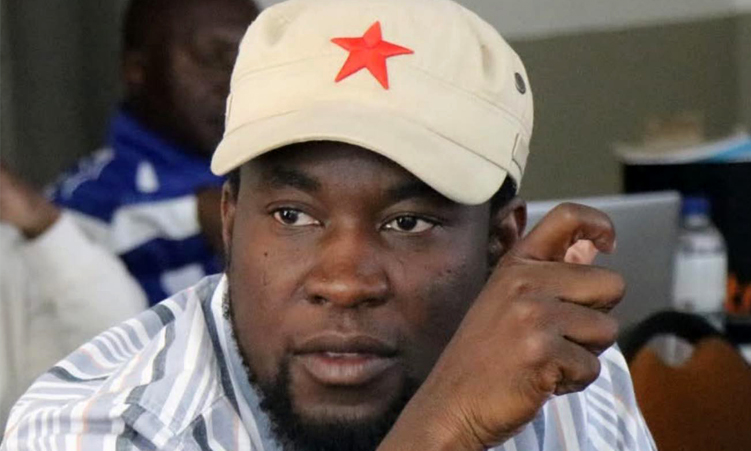
Job Amupanda: Challenges Namibian Honorary PhDs Over Political Ties
Summary
- Affirmative Repositioning leader Job Amupanda tabled a notice in the National Assembly on Tuesday.
- The notice questions whether honorary PhDs are being used to reward political connections.
- Politicians are currently facing scrutiny over the increasing use of honorary doctorates.
- Concerns exist that some politicians may be lobbying universities for these titles in exchange for political favors.
Allegations of Influence Peddling
The core of the inquiry centers on the potential for these honorary doctorates to serve as tokens of appreciation or compensation for political affiliations.
A prominent notice was formally introduced before the National Assembly on Tuesday by Job Amupanda, the leader of the Affirmative Repositioning movement. This legislative action directly challenges the integrity surrounding the conferment of honorary PhDs within the nation's academic landscape. Amupanda's notice specifically raises critical questions regarding whether these esteemed academic distinctions are being utilized as a mechanism to reward political connections rather than recognizing genuine merit or significant contributions.
The core of the inquiry centers on the potential for these honorary doctorates to serve as tokens of appreciation or compensation for political affiliations. By bringing this matter to the highest legislative body, Amupanda has initiated a formal process to scrutinize the criteria and motivations behind such awards, suggesting a possible deviation from their intended purpose. The notice underscores a broader concern about the intersection of political influence and academic recognition, prompting a re-evaluation of current practices.
Widespread Scrutiny and Institutional Concerns
This specific legislative inquiry by Job Amupanda emerges amidst a broader context of increasing scrutiny directed at political figures concerning their acquisition and display of honorary doctorates. The growing prevalence of these titles among politicians has not gone unnoticed, sparking public debate and raising eyebrows across various sectors. This heightened attention reflects a general unease about how such prestigious academic honors are being distributed and perceived within the political arena.
Underlying this widespread scrutiny are significant concerns that some politicians may be actively engaging in lobbying efforts directed at universities. These efforts are reportedly aimed at securing these highly coveted and prestigious academic titles. The allegations suggest a transactional dynamic, where these academic accolades are sought and potentially granted in exchange for political favors, creating a perceived quid pro quo that compromises the independence and academic standards of the institutions involved.
Questioning Academic Integrity and Public Trust
The implications of politicians potentially lobbying universities for honorary PhDs in exchange for political favors are far-reaching, striking at the very core of academic integrity and public trust. If honorary doctorates are indeed being used to reward political connections, it fundamentally undermines the traditional purpose of such awards, which is to acknowledge outstanding achievements, scholarship, or service that genuinely benefits society. This practice could devalue the significance of these degrees, making them appear as mere political instruments rather than symbols of academic excellence.
Furthermore, the existence of such concerns can erode public confidence in both political institutions and academic bodies. The perception that academic honors can be bought or influenced through political means casts a shadow over the impartiality of universities and raises questions about the ethical conduct of public officials. Amupanda's formal questioning in the National Assembly highlights the urgency of addressing these allegations to safeguard the credibility of academic awards and ensure that political influence does not unduly compromise the principles of merit and transparency.
Source
How does this affect you?
Get an AI analysis of this article grounded in your jurisdictions, practice areas, and any policy documents you've uploaded to Wansom.
Finish Reading the Full Story and the Expert Analysis.
Get the latest legal & regulatory intelligence in Namibia
Wansom is AI and can make mistakes.