
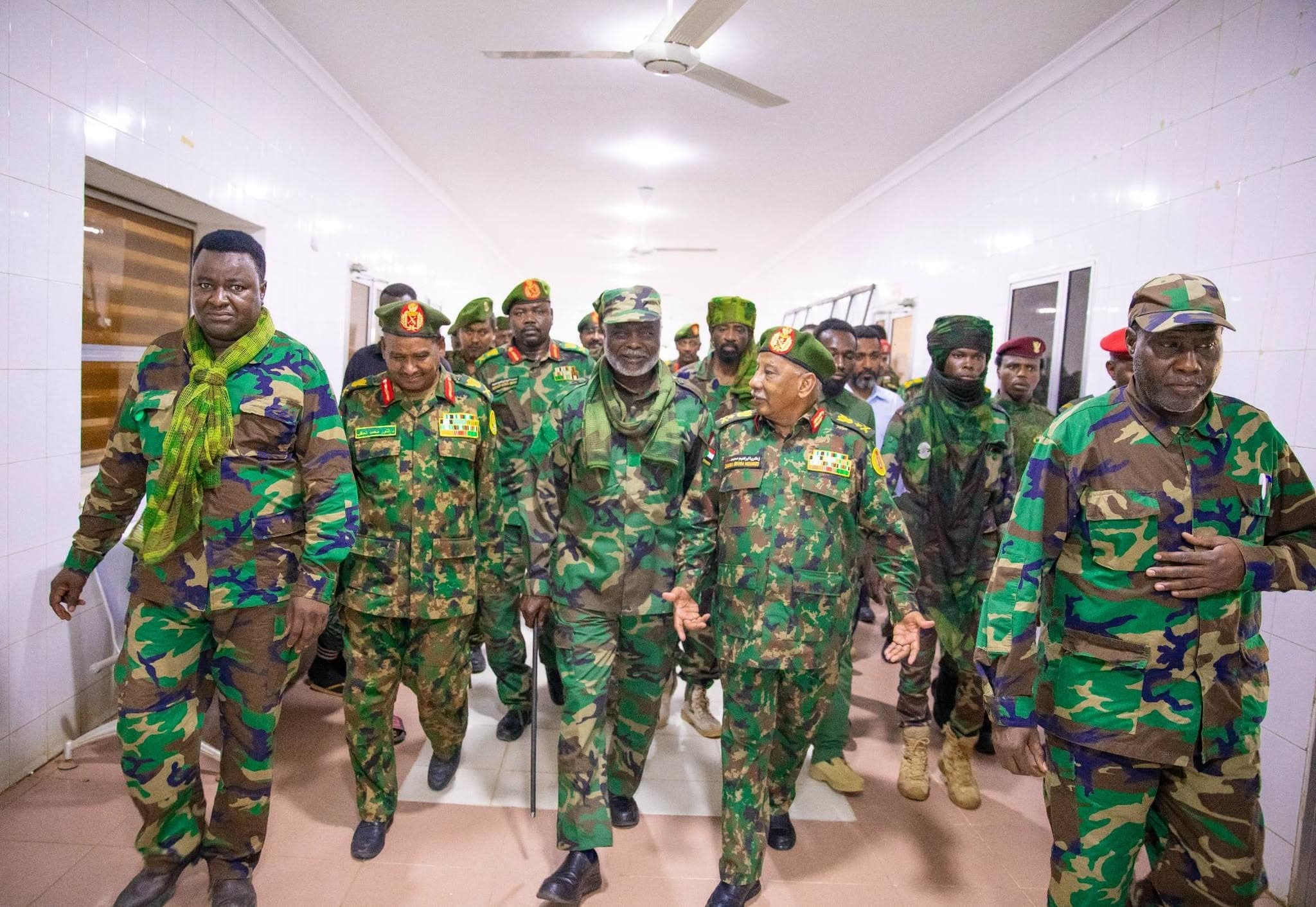
JEM: Ready for Forces Integration into Sudanese Army Under Juba Agreement
Summary
- On August 18, 2026, JEM leader Gibril Ibrahim announced the movement's readiness to integrate its forces into the Sudanese Armed Forces.
- This commitment aligns with the security arrangements protocol of the 2020 Juba Peace Agreement and is intended to occur before the current war ends.
- Implementation of the Juba Agreement's security protocols previously faced challenges from weak funding and lack of political will.
- The ongoing conflict between the Sudanese Armed Forces and the Rapid Support Forces, which began on April 15, 2023, halted all prior integration efforts.
- Ibrahim, also the Minister of Finance, expressed a vision for a unified, constitutionally disciplined national army with exclusive control over weapons.
A Pivotal Announcement
A cornerstone of this vision is the principle that weapons should be exclusively controlled by the national armed forces, a direct rejection of the proliferation of militias that have historically destabilized the nation.
On August 18, 2026, from Khartoum, Gibril Ibrahim, who leads the Sudanese Justice and Equality Movement (JEM) and also serves as the nation's Minister of Finance, declared his movement's readiness to integrate its military forces into the Sudanese Armed Forces (SAF). This significant announcement underscores JEM's commitment to the security arrangements protocol outlined within the Juba Peace Agreement. Ibrahim specified that this JEM forces integration Sudanese army Juba Agreement commitment is intended to be fulfilled before the conclusion of the ongoing conflict in Sudan.
Speaking to a new cohort of JEM forces in the capital, Ibrahim articulated a broader ambition for the nation's security landscape. He expressed the movement's aspiration to see all armed formations that are signatories to peace agreements complete their respective security arrangements before the current war ceases. This declaration by the Justice and Equality Movement forces integration initiative signals a potential, albeit complex, step towards unifying Sudan's diverse military landscape under a single national command.
The Juba Agreement and Its Hurdles
The framework for this proposed integration stems directly from the Juba Peace Agreement, a landmark accord signed in 2020. This agreement brought together Sudan's transitional government with various armed movements, including the Justice and Equality Movement. Central to the accord was the Gibril Ibrahim security arrangements protocol, which mandated the phased integration of forces from signatory movements into the Sudanese Armed Forces and other regular state security institutions.
However, the path to implementing these crucial security arrangements has been fraught with considerable difficulties. Historically, the process encountered significant Juba Peace Agreement implementation challenges, primarily due to insufficient funding and a discernible lack of political will from various parties. These obstacles severely hampered progress, and any momentum was ultimately derailed by the outbreak of the devastating conflict between the Sudanese Armed Forces and the Rapid Support Forces on April 15, 2023. This renewed warfare brought all integration and demobilization operations to a standstill, preventing their completion according to the agreed-upon timelines and further complicating the broader Sudan peace agreement security sector reform efforts.
Envisioning a Unified Military
Ibrahim's recent statements extend beyond merely announcing JEM's readiness; they paint a clear picture of his vision for Sudan's future military structure. He affirmed that the Justice and Equality Movement is prepared for its forces to become an integral part of the Sudanese Armed Forces, emphasizing a desire for a singular, unified army in Sudan. A cornerstone of this vision is the principle that weapons should be exclusively controlled by the national armed forces, a direct rejection of the proliferation of militias that have historically destabilized the nation.
The JEM leader stressed the imperative of constructing a military that is not only disciplined but also firmly anchored in and protective of the Sudanese constitution, safeguarding both the nation and its populace. This commitment to a constitutionally bound force highlights the long-term goals of the JEM forces integration Sudanese army Juba Agreement process. Despite these forward-looking pronouncements, Ibrahim also confirmed that the Justice and Equality Movement continues to actively participate in the ongoing conflict, underscoring the complex and multifaceted nature of Sudan's current security environment.
Practical Implications
Lawyers advising clients on Sudan's political and security landscape should monitor the practical implementation of JEM's announced force integration, as it represents a critical, albeit challenging, step towards fulfilling the Juba Peace Agreement's security protocols and could influence the country's stability, rule of law, and future investment environment.
Source
How does this affect you?
Get an AI analysis of this article grounded in your jurisdictions, practice areas, and any policy documents you've uploaded to Wansom.
Wansom is AI and can make mistakes.