
DC Judge: Jeanine Pirro Reflecting Pool Case Dismissed After Flawed Investigation
Summary
- David Hearn, a 67-year-old Olympic canoeist, was indicted on a felony charge by U.S. Attorney Jeanine Pirro for touching a deteriorating section of the Reflecting Pool.
- Pirro later moved to dismiss the case, admitting the damage was due to a "flawed installation," not vandalism.
- Judge Todd Edelman dismissed the case with prejudice on October 1, stating the government "shot first and asked questions later."
- Hearn's legal team, including lawyers from Steptoe and Washington Litigation Group, has requested coordinated investigations by the Justice and Interior Department inspectors general.
- The case underscores concerns about prosecutorial conduct and potential government overreach, prompting calls for accountability.
Background of the Reflecting Pool Incident
This case highlights the potential for judicial intervention and demands for accountability when prosecutorial decisions appear politically motivated or lack sufficient factual basis, resulting in a dismissal with prejudice.
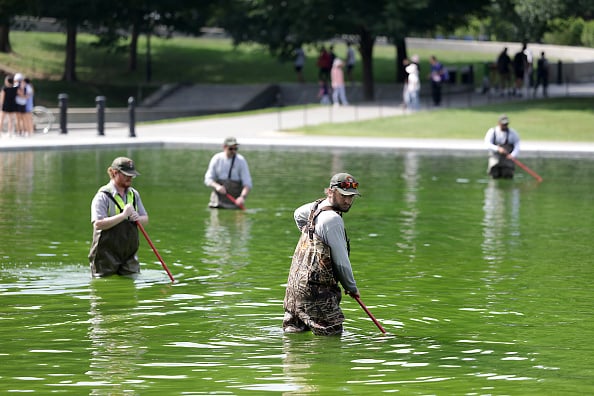
A D.C. Superior Court judge recently ensured that David Hearn, a 67-year-old three-time Olympic canoeist, will not face further prosecution for an incident involving the Reflecting Pool. Hearn was accused of touching a section of the pool that was already deteriorating. This event unfolded against the backdrop of a rushed, multimillion-dollar renovation of the Reflecting Pool, which began to peel almost immediately after its completion.
Initially, the Trump administration attributed the damage to "vandals," and Hearn, who was on a bike ride at the time, became the public face of these alleged acts. On July 2, U.S. Attorney for the District of Columbia Jeanine Pirro secured an indictment against Hearn for a felony offense, which carried a potential sentence of up to ten years in prison. The swift legal action against Hearn drew significant attention, particularly given the nature of the alleged damage.
Judicial Intervention and Case Dismissal
However, the prosecution's stance shifted dramatically less than a month later. On July 31, U.S. Attorney Jeanine Pirro moved to dismiss the charges, acknowledging that the damage to the Reflecting Pool was, in fact, due to a "flawed installation" rather than vandalism. This concession by the prosecution led to a critical review from the president, who reportedly characterized Pirro as having "folded like an umbrella," sparking weeks of speculation regarding her job security.
The legal proceedings culminated on October 1 when Judge Todd Edelman formally dismissed the case with prejudice. This significant ruling means that the government is permanently barred from prosecuting David Hearn for the incident again. Judge Edelman's decision was accompanied by a pointed observation that the government had "shot first and asked questions later," highlighting concerns about the initial prosecutorial conduct and the basis for the charges. The David Hearn dismissal with prejudice underscored the judiciary's role in scrutinizing government actions.
Calls for Accountability and Investigation
Following the dismissal, David Hearn's legal team has initiated efforts to understand the origins and progression of the case. On Tuesday, a 21-page letter was dispatched to the inspectors general at both the Justice and Interior Departments, requesting coordinated investigations into Hearn's arrest, his indictment, and all subsequent events. This move signals a strong push for accountability regarding the initial decision to prosecute.
The formidable legal team advocating for Hearn includes prominent figures such as Michael Bromwich, a former DOJ inspector general, alongside Steven Levin and Jason Weinstein from Steptoe. They are joined by Mary Dohrmann of the Washington Litigation Group, as well as Norm Eisen and Joshua Kolb from Democracy Defenders Fund. Their collective expertise aims to prompt a thorough review of the prosecutorial conduct in the Jeanine Pirro Reflecting Pool case investigation, particularly concerning the actions taken by the US Attorney DC Jeanine Pirro.
Broader Implications of the Case
This case highlights the potential for judicial intervention and demands for accountability when prosecutorial decisions appear politically motivated or lack sufficient factual basis, resulting in a dismissal with prejudice. The actions taken by Hearn's legal team, including their request for a DOJ Inspector General prosecutorial conduct review, underscore a broader concern about government overreach. Judge Todd Edelman's strong language in dismissing the case further emphasizes the judiciary's role in safeguarding against such instances.
The entire sequence of events, from the initial indictment based on a flawed premise to the ultimate dismissal and the subsequent call for investigations, serves as a significant example of how legal teams can challenge government actions. It also illustrates the pressures faced by prosecutors, as evidenced by the presidential reaction to U.S. Attorney Pirro's decision to drop the charges. The Jeanine Pirro Reflecting Pool case investigation, therefore, extends beyond the individual incident to touch upon critical questions of prosecutorial discretion and governmental transparency.
Practical Implications
This case highlights the potential for judicial intervention and demands for accountability when prosecutorial decisions appear politically motivated or lack sufficient factual basis, resulting in a dismissal with prejudice. Lawyers should note the strategies employed by Hearn's legal team to challenge government actions and seek investigations into alleged misconduct, which can serve as a precedent for addressing similar instances of overreach.
Source
How does this affect you?
Get an AI analysis of this article grounded in your jurisdictions, practice areas, and any policy documents you've uploaded to Wansom.
Finish Reading the Full Story and the Expert Analysis.
Get the latest legal & regulatory intelligence in United States
Wansom is AI and can make mistakes.