
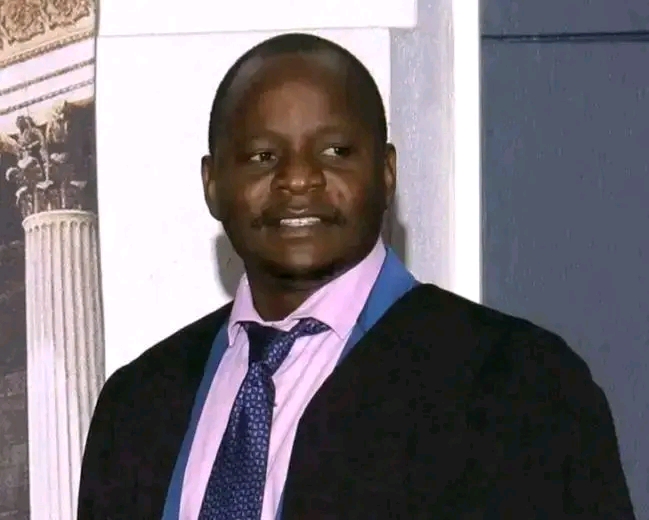
James Musonda: UPND Constitutional Amendments Must Be Transparent
Summary
- Social Political Anthropologist James Musonda has challenged Zambia's UPND government to clearly specify its proposed constitutional amendments.
- This challenge follows remarks from UPND Deputy Chairperson for Legal Affairs Mulambo Haimbe, who suggested wider constitutional reform in the party's new term.
- Dr. Musonda warned against constitutional changes designed for predetermined political goals, specifically cautioning against removing presidential term limits or extending the tenure of office.
- He emphasized that reforms must identify specific legal gaps or issues to address, rather than serving narrow political interests.
- Musonda cautioned that politically driven constitutional reforms risk further damaging Zambia's democracy.
Call for Clarity on Constitutional Changes
Constitutional changes, according to Dr. Musonda, must not be engineered to achieve predetermined political objectives, and he issued a stern caution against any efforts to abolish presidential term limits or prolong the duration of office.
Dr. James Musonda, a prominent Social Political Anthropologist, has issued a direct challenge to Zambia's ruling United Party for National Development (UPND) government, urging them to clearly articulate the specific constitutional amendments they intend to pursue. This call for transparency comes amidst growing discussions surrounding potential reforms to the nation's foundational legal document. Dr. Musonda's intervention underscores a critical demand for the UPND to move beyond general statements and provide concrete details regarding its legislative agenda concerning the constitution.
Background to the Reform Debate
Dr. Musonda's challenge was prompted by recent remarks from Mulambo Haimbe, the UPND Deputy Chairperson for Legal Affairs. Mr. Haimbe had indicated that the UPND administration might embark on a more extensive constitutional reform initiative during its upcoming term in office. While Dr. Musonda acknowledged that Zambia is indeed in need of constitutional reforms, he immediately qualified this by asserting that the process must not be exploited to serve the political interests of any particular party or to entrench current leaders in power.
Speaking in an interview with Phoenix News, Dr. Musonda emphasized that the pursuit of constitutional changes should be driven by genuine national requirements rather than partisan objectives. His comments highlight a deep concern that the reform process, if not carefully managed, could be co-opted for political gain, thereby undermining its legitimacy and the broader public trust. This perspective sets a crucial framework for evaluating any future proposals from the UPND government regarding the Zambia constitutional reform UPND agenda.
Warnings Against Political Manipulation
A central tenet of Dr. Musonda's argument is that constitutional changes must not be engineered to achieve predetermined political objectives. He issued a stern caution against any efforts to abolish presidential term limits or to prolong the duration of office for the head of state, directly addressing a sensitive area of UPND presidential term limits Zambia. Such alterations, he warned, would represent a significant departure from democratic principles and could have far-reaching negative consequences for the nation's governance structure.
Furthermore, Dr. Musonda stressed the imperative for the UPND to precisely identify the specific legal gaps, or 'lacunae,' or the particular 'mischief' that any proposed constitutional amendments aim to address. He argued that reforms should be problem-driven, rectifying identifiable deficiencies in the existing framework, rather than being motivated by narrow political demands. This insistence on a principled approach is critical for maintaining the integrity of the Zambia constitution review process.
Potential Risks to Democratic Governance
Dr. Musonda articulated a profound concern that constitutional reforms, if primarily driven by narrow political demands, carry a significant risk of further damaging Zambia's democracy. He underscored that the nation's democratic institutions and the rule of law could be severely undermined if the process is perceived as a means to consolidate power or circumvent established checks and balances. This warning serves as a critical reminder of the delicate balance required in amending a nation's supreme law.
He concluded by emphasizing that the long-term stability and democratic health of Zambia depend on a transparent, inclusive, and principled approach to constitutional review. Any perception that the Mulambo Haimbe constitution changes are designed to benefit a specific political entity rather than the broader populace could erode public confidence and lead to increased political instability. Safeguarding the democratic framework requires meticulous attention to the motivations and potential impacts of any proposed amendments.
Practical Implications
Lawyers and compliance officers in Zambia should closely monitor any specific constitutional amendment proposals from the UPND government, particularly those concerning presidential term limits or tenure of office. These potential changes could significantly alter the legal and political landscape, impacting governance, regulatory stability, and the interpretation of existing laws.
Source
How does this affect you?
Get an AI analysis of this article grounded in your jurisdictions, practice areas, and any policy documents you've uploaded to Wansom.
Finish Reading the Full Story and the Expert Analysis.
Wansom is AI and can make mistakes.