
Iten Law Courts: 266 Kg Bhang Destruction Confirmed
Summary
- 266 kilogrammes of cannabis sativa were destroyed at the AIC Kapsowar Mission Hospital incinerator.
- The destruction was a court-supervised exercise, mandated by an order from the Iten Law Courts issued on October 30, 2026.
- The illicit drugs were evidence in a case that led to the conviction of Vincent Odhiambo.
- This event demonstrates the practical execution of court orders for narcotic destruction and the role of judicial oversight in Kenya.
Court-Ordered Drug Destruction in Iten
The meticulous execution of this order highlights the stringent Kenya drug destruction procedure in place.
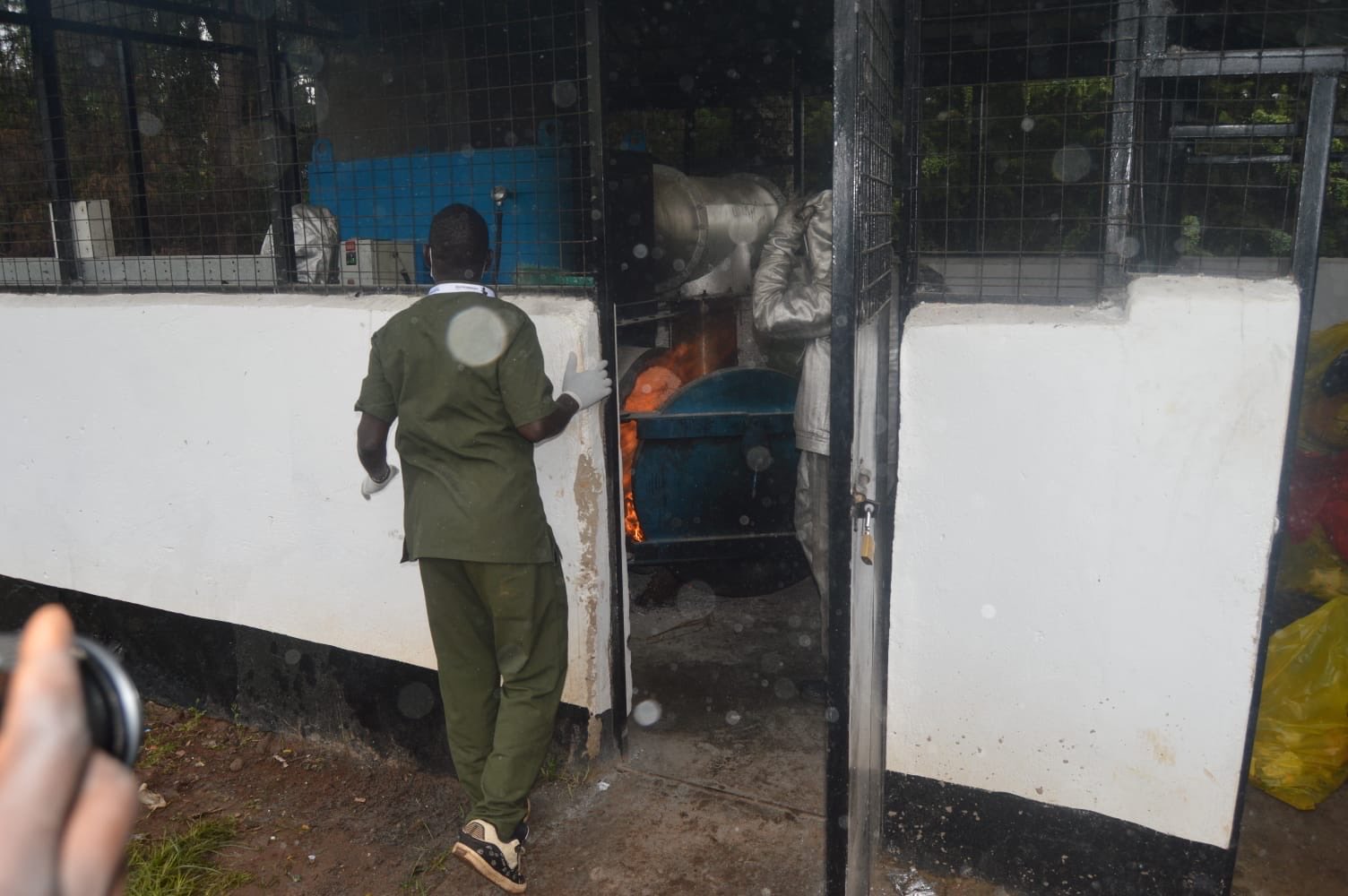
A significant quantity of illicit narcotics, specifically 266 kilogrammes of cannabis sativa, commonly known as bhang, was recently incinerated in a court-supervised drug disposal Kenya exercise. This destruction took place at the incinerator facility located within the AIC Kapsowar Mission Hospital, marking a definitive end to the lifecycle of these seized substances.
The operation was carried out under the direct authority of an order issued by the Iten Law Courts. This judicial directive, dated 30th October 2026, mandated the destruction of the contraband, ensuring that the process adhered to established legal protocols for the disposal of evidence in criminal cases. The meticulous execution of this order highlights the stringent Kenya drug destruction procedure in place.
Legal Context and Conviction
The destroyed 266 kg of bhang represented critical evidence in a criminal prosecution that culminated in a conviction. These narcotics were central to the case involving Vincent Odhiambo, who was found guilty in connection with the illicit drugs. The destruction follows the legal conclusion of this case, underscoring the procedural finality in drug-related convictions.
The involvement of the Iten Law Courts in issuing the destruction order is crucial, demonstrating the essential role of judicial oversight in such disposals. This ensures transparency and accountability in handling seized illegal substances, from their confiscation to their ultimate elimination, reinforcing public trust in the justice system's capacity to manage such sensitive materials appropriately.
Why It Matters
This event serves as a clear illustration of the practical execution of court orders for the destruction of seized narcotics in Kenya. The public incineration of such a large amount of cannabis sativa, under judicial supervision, sends a strong message regarding the country's commitment to combating drug trafficking and abuse. It confirms that once a conviction is secured, the evidence is disposed of in a manner that prevents its re-entry into circulation.
The meticulous process, from the initial seizure to the final destruction at the AIC Kapsowar Mission Hospital incinerator, exemplifies the robust framework governing drug-related offenses in the region. The Iten Law Courts bhang destruction initiative reinforces the integrity of the judicial process and the government's resolve to eradicate illegal drug activities, ensuring that justice is not only served but also visibly concluded.
Practical Implications
This article illustrates the practical execution of court orders for the destruction of seized narcotics in Kenya, confirming the procedural finality in drug-related convictions and the role of judicial oversight in such disposals.
Source
How does this affect you?
Get an AI analysis of this article grounded in your jurisdictions, practice areas, and any policy documents you've uploaded to Wansom.
Finish Reading the Full Story and the Expert Analysis.
Get the latest legal & regulatory intelligence in Kenya
Wansom is AI and can make mistakes.