
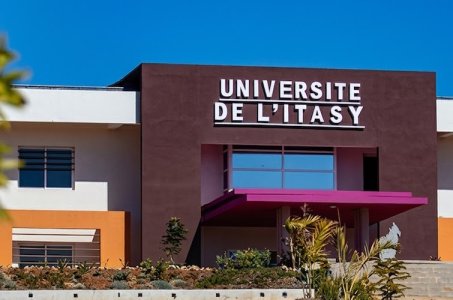
Itasy University: 3 Officials Detained for Fake Diplomas Scandal
Summary
- Three senior officials from Itasy University in Soavinandriana have been placed in preventive detention.
- This action follows an investigation by the Bureau indépendant anti-corruption (Bianco) into fake diplomas.
- The allegations involve the use of falsified academic credentials to secure various positions.
- Two additional individuals connected to the case have been placed under judicial control.
- The legal proceedings highlight a significant "Madagascar fake degree scandal" within the higher education sector.
What Happened
The decision by the judiciary to impose "détention préventive faux diplômes Itasy" on the three university leaders reflects the gravity of the charges they face.
A significant "Madagascar fake degree scandal" has emerged at Itasy University, located in Soavinandriana, leading to the immediate placement of three high-ranking officials from the institution into preventive detention. This drastic measure was enacted following their appearance before judicial authorities yesterday, marking a critical development in the ongoing investigation into academic fraud. The allegations center on the widespread use of falsified diplomas, which has now brought the integrity of the university's operations under intense scrutiny.
The unfolding situation at Itasy University highlights a serious breach of trust within the higher education system. The detention of these senior figures, who held pivotal roles within the establishment, signals the severity of the alleged offenses. This "Itasy University fake diplomas detention" has sent ripples through the academic community, raising questions about the verification processes for qualifications and the potential for similar illicit activities at other institutions. The scandal underscores a broader challenge in ensuring the authenticity of educational credentials.
The Investigation and Allegations
The Bureau indépendant anti-corruption, commonly referred to as Bianco, has been instrumental in uncovering the details of this elaborate scheme. Their thorough "Bianco Itasy investigation" revealed the alleged practice of individuals leveraging counterfeit academic documents to secure various professional positions. This systematic deception not only undermines the principles of meritocracy but also poses significant risks to employers who rely on the veracity of presented qualifications. The agency's proactive stance in pursuing such cases demonstrates a firm commitment to eradicating corruption within the public and private sectors.
In addition to the three university officials now held in preventive detention, two other individuals have been placed under judicial control as part of the same extensive inquiry. This indicates that the scope of the "Soavinandriana university fraud" extends beyond the immediate leadership of Itasy University, suggesting a potentially broader network involved in the creation, distribution, or use of these fraudulent credentials. The legal actions taken against these five individuals collectively emphasize the serious repercussions for those implicated in such deceptive practices, particularly when they involve accessing positions through illicit means.
Legal Ramifications
The decision by the judiciary to impose "détention préventive faux diplômes Itasy" on the three university leaders reflects the gravity of the charges they face. This form of pre-trial incarceration is typically reserved for cases where there is a perceived risk of the accused absconding, tampering with evidence, or committing further offenses. It serves as a powerful deterrent and a clear signal that authorities are determined to prosecute those involved in academic fraud to the fullest extent of the law, aiming to restore public confidence in the educational system.
Furthermore, the placement of two additional individuals under judicial control, following the "Itasy University officials arrest," demonstrates a nuanced but firm approach by the legal system. While not as restrictive as preventive detention, judicial control still imposes strict conditions, such as regular reporting to authorities or restrictions on travel, ensuring accountability without necessarily requiring incarceration. This comprehensive legal response aims to thoroughly investigate and dismantle the alleged network responsible for the "Madagascar fake degree scandal," emphasizing that all parties involved in the alleged use of falsified diplomas to access positions will face significant legal consequences.
Practical Implications
This development signals active enforcement by the Bureau indépendant anti-corruption (Bianco) against credential fraud in Madagascar's education sector. Lawyers should advise clients, particularly those in HR or compliance roles within educational institutions or organizations hiring graduates, to review and strengthen their due diligence processes for verifying academic qualifications to mitigate exposure to similar fraud schemes and potential criminal liability.
Source
How does this affect you?
Get an AI analysis of this article grounded in your jurisdictions, practice areas, and any policy documents you've uploaded to Wansom.
Finish Reading the Full Story and the Expert Analysis.
Wansom is AI and can make mistakes.