
Botswana: Isaac Kgosi Seized Cattle Return, Herd Triples to 800
Summary
- Approximately 260 cattle seized from the late Isaac Seabelo Kgosi have been returned to his estate.
- The returned herd now numbers around 800 cattle after seven years in state custody.
- Questions have arisen regarding unspecified losses and unresolved interest on seized money during the state's management.
- Isaac Seabelo Kgosi was the former Director General of Botswana's Directorate of Intelligence and Security Services (DISS).
The Unexpected Growth of Seized Assets
The most striking aspect of this return is the dramatic increase in the herd's size, as an initial count of around 260 cattle has reportedly expanded to approximately 800.
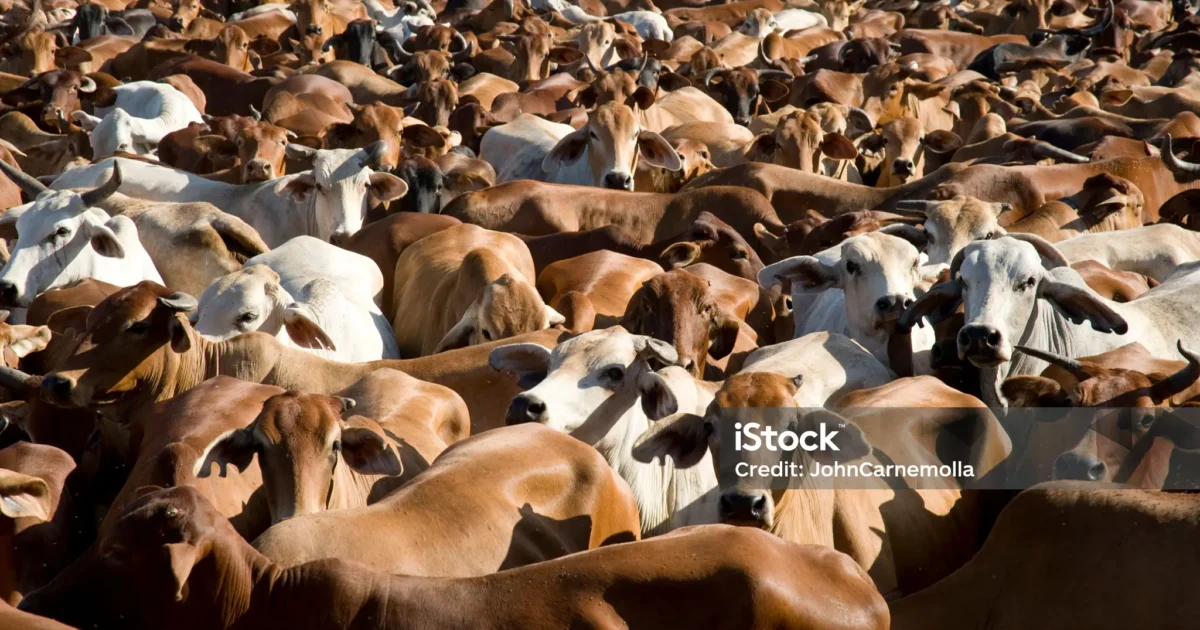
The estate of the late Isaac Seabelo Kgosi has recently seen the return of a significant number of cattle that were previously held in state custody. This restitution concludes a period of approximately seven years during which these animals were under the management of the state. The most striking aspect of this return is the dramatic increase in the herd's size, as an initial count of around 260 cattle has reportedly expanded to approximately 800.
This substantial numerical growth presents an unusual and noteworthy outcome for assets that have been under governmental control for an extended duration. While the exact mechanisms leading to this expansion are not detailed, the difference between the original seized quantity and the current returned number is considerable, prompting interest in the state's asset management practices during the custody period.
Context of the Asset Seizure
The livestock in question belonged to Isaac Seabelo Kgosi, who held the prominent position of Director General for Botswana's Directorate of Intelligence and Security Services (DISS) before his passing. The initial seizure of these assets was part of a broader action involving DISS-related properties, placing them under state control for an extended period.
The seven-year duration of state custody for these assets reflects a prolonged process, likely involving legal or administrative proceedings concerning Kgosi's estate and his former role. With his demise, the responsibility for these assets transitioned to his estate, necessitating their formal return and accounting.
Unresolved Issues and Accountability Concerns
Despite the apparent increase in the cattle herd, the process of returning these assets has brought to light several critical questions regarding the state's stewardship. Reports indicate that during the seven-year period of state custody, there were unspecified "losses" related to the assets. The nature or quantity of these losses has not been detailed, but their occurrence raises concerns about the integrity of the asset management process.
Furthermore, a significant financial aspect remains unresolved: the issue of "unresolved interest on seized money." This outstanding financial matter adds another layer of complexity and ambiguity to the state's handling of Kgosi's assets. These combined factors—unspecified losses and unaddressed financial interest—collectively prompt a closer examination of the transparency and accountability mechanisms governing the state's management of seized properties.
Broader Implications for State Asset Management
The substantial numerical discrepancy between the initial 260 seized cattle and the 800 returned animals, coupled with the reported losses and the outstanding financial interest, underscores potential systemic challenges in how the state manages confiscated property. The remarkable growth in the herd could suggest either highly effective animal husbandry under state care or, alternatively, significant inconsistencies in the initial inventory or final accounting.
The persistence of unresolved financial matters, particularly concerning interest on seized funds, indicates that a comprehensive financial reconciliation of the state's custody period has yet to be achieved. This situation highlights the critical importance of establishing and adhering to clear, robust protocols for the meticulous record-keeping, valuation, and maintenance of assets held in state custody. Such measures are essential to ensure proper accountability, prevent future disputes, and maintain public trust in governmental asset management practices.
Practical Implications
Lawyers advising on asset forfeiture, seizure, or estate administration in Botswana should note the potential for significant discrepancies in asset valuation and interest accrual during state custody, as highlighted by the Kgosi cattle case, and counsel clients on meticulous record-keeping and aggressive follow-up to ensure proper accountability and recovery.
Source
How does this affect you?
Get an AI analysis of this article grounded in your jurisdictions, practice areas, and any policy documents you've uploaded to Wansom.
Finish Reading the Full Story and the Expert Analysis.
Wansom is AI and can make mistakes.