
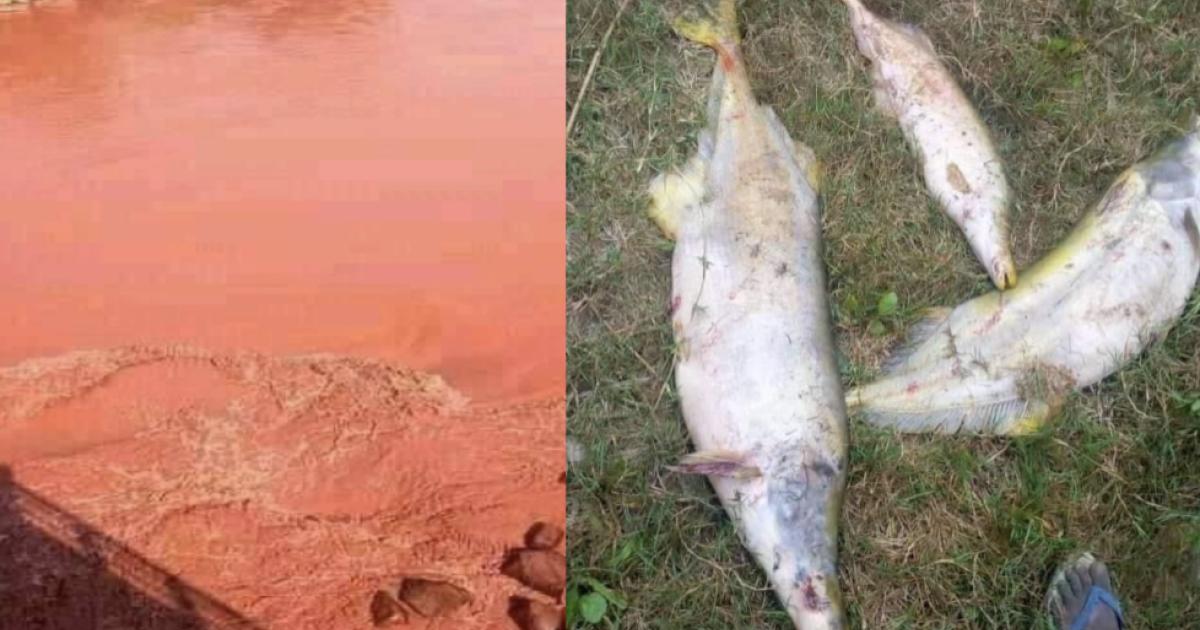
IRDH: CDM Lubumbashi Pollution Report Inadequate, Demands More
Summary
- On November 4, 2025, an industrial wastewater discharge occurred in Lubumbashi, affecting communities in Kasapa, Kamatete, and Kamisepe.
- The incident is attributed to Congo Dongfang International Mining (CDM).
- The Institut de recherche en droits humains (IRDH) is demanding comprehensive reparations for the victims.
- While an official report has been released and initial compensation ordered, the affected communities and the IRDH consider the compensation inadequate and continue to demand comprehensive reparation.
- This situation underscores the ongoing challenges in achieving environmental accountability for mining operations in the Democratic Republic of Congo.
Ongoing Environmental Concerns in Lubumbashi
This incident highlights the persistent demands for transparency and victim compensation following environmental incidents, indicating a heightened risk of litigation and regulatory scrutiny related to industrial pollution and community impact.
Communities residing in Kasapa, Kamatete, and Kamisepe, located in the Lubumbashi region, continue to await resolution following an industrial wastewater discharge incident attributed to Congo Dongfang International Mining (CDM). The event, which occurred on November 4, 2025, prompted significant calls for transparency and accountability from human rights organizations.
The Institut de recherche en droits humains (IRDH) has publicly highlighted the prolonged wait experienced by these communities. While an interministerial commission has released its findings, and some measures have been implemented, the affected residents and the IRDH continue to advocate for more comprehensive actions addressing the environmental damage, considering the initial compensation insufficient. This persistent lack of resolution underscores the challenges faced by local populations in securing redress for industrial impacts.
Demands for Transparency and Reparation
In response to the situation, the IRDH has issued clear demands for comprehensive reparation for the victims of the Lubumbashi environmental damage, despite an official investigation report having been released and initial compensation ordered. The organization emphasizes that the communities of Kasapa, Kamatete, and Kamisepe deserve full disclosure regarding the circumstances of the industrial discharge and appropriate compensation for any harm suffered.
While an official investigation report has been released, the IRDH continues its advocacy efforts, arguing that the ordered compensation is inadequate and that further actions are needed to ensure justice and effective victim support. This leaves the affected populations in a state of uncertainty regarding their rights and potential recourse.
Implications for DRC Mining Accountability
The ongoing situation in Lubumbashi serves as a critical reminder of the heightened scrutiny faced by mining companies operating in the Democratic Republic of Congo regarding their environmental footprint and community relations. The Institut de recherche en droits humains demands for comprehensive victim compensation reflect a broader push for DRC mining environmental accountability, particularly in regions heavily impacted by industrial activities.
This incident highlights the persistent demands for transparency and victim compensation following environmental incidents, indicating a heightened risk of litigation and regulatory scrutiny related to industrial pollution and community impact. Legal professionals advising mining entities in the DRC must recognize the increasing pressure from civil society and affected communities to ensure responsible operations and swift, equitable responses to environmental damage.
Practical Implications
Lawyers advising mining companies operating in the Democratic Republic of Congo should be aware of the persistent demands for transparency and victim compensation following environmental incidents, indicating a heightened risk of litigation and regulatory scrutiny related to industrial pollution and community impact.
Source
Source: Original reporting via PMaki
How does this affect you?
Get an AI analysis of this article grounded in your jurisdictions, practice areas, and any policy documents you've uploaded to Wansom.
Finish Reading the Full Story and the Expert Analysis.
Wansom is AI and can make mistakes.