
International Coalition: Condemns WFP Convoy Attack in South Kordofan
Summary
- An international coalition, including the UK, EU, and several European and North American nations, condemned an aerial attack on a World Food Programme convoy in South Kordofan on August 30.
- The attack injured civilian drivers and destroyed over 50 tonnes of food, enough to feed 5,800 people for a month.
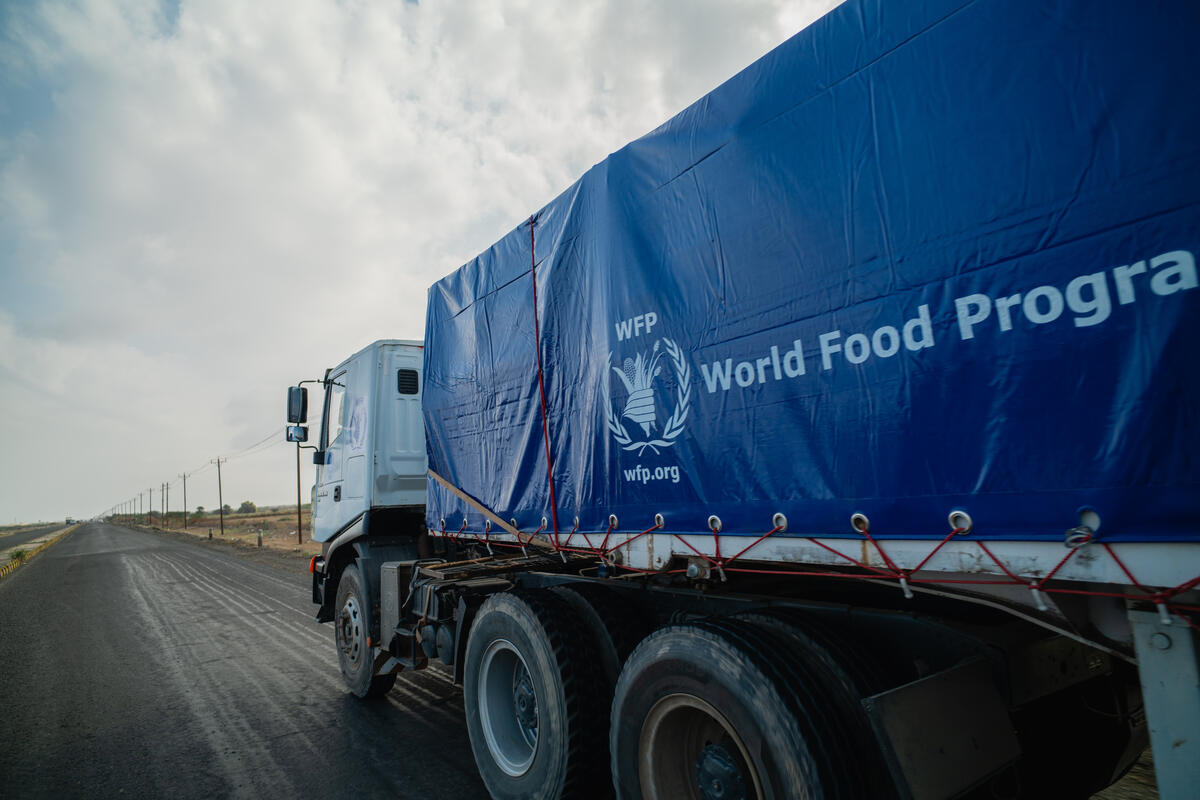
- The WFP convoy was clearly marked and notifications were made to conflict parties, yet it was targeted, violating international humanitarian law.
- The coalition highlighted the incident as an example of drone warfare's devastation and called for a credible investigation with accountability.
- They warned that continued attacks on aid efforts will deepen the suffering of millions of Sudanese civilians and urged protection for humanitarian workers.
Attack on Aid Convoy Condemned
The international coalition unequivocally stated that such attacks, which target humanitarian personnel and their activities, constitute a direct violation of international humanitarian law.
A broad international coalition, comprising the missions of the United Kingdom, Netherlands, Sweden, Ireland, Germany, France, Denmark, Canada, Norway, and the European Union, has issued a joint statement condemning a recent attack on a World Food Programme (WFP) humanitarian convoy in South Kordofan. This group, operating as members of the Coalition for Atrocity Prevention and Justice in Sudan, specifically denounced an aerial assault that occurred on August 30 outside Dilling, targeting two trucks carrying vital assistance. The incident, which Radio Dabanga had previously reported, resulted in injuries to civilian drivers and significant damage to the humanitarian supplies.
The WFP convoy was transporting life-saving aid destined for Kadugli when it was struck. More than 50 tonnes of essential food items, including cereals, yellow split peas, vegetable oil, and salt, were destroyed in the attack. This quantity of provisions was sufficient to provide critical assistance to 5,800 people for an entire month, underscoring the severe impact of the incident. The agency further noted that this was not an isolated event, having recorded eight aerial attacks since the beginning of the year that have damaged its premises and disrupted operations across the region.
Crucially, the trucks involved in the August 30 attack were clearly marked with World Food Programme emblems, and all necessary notifications regarding their movement had been communicated to the parties engaged in the conflict. Despite these precautions and clear identification, the convoy was targeted, prompting the international condemnation.
Violations of International Law
The international coalition unequivocally stated that such attacks, which target humanitarian personnel and their activities, constitute a direct violation of international humanitarian law. The August 30 incident, in particular, was highlighted as "yet another example of the growing devastation caused by drone warfare on civilians and civilian objects." This broader pattern of destruction, attributed to drone warfare, includes the targeting of critical civilian infrastructure such as markets, health facilities, and displacement camps, all essential for civilian survival.
In response to these escalating violations, the coalition has called for a credible investigation into the attack on the WFP convoy. This investigation must include clear accountability measures where appropriate, with the explicit aim of preventing any recurrence of such incidents. Furthermore, the coalition urged those who facilitate these violations through arms transfers, including the provision of drones, to acknowledge the severe consequences their actions have for Sudanese civilians.
Escalating Humanitarian Crisis
The coalition issued a stark warning that repeated strikes on humanitarian convoys and the persistent obstruction of humanitarian operations will only exacerbate the suffering of millions of Sudanese civilians. These actions directly impede civilians' access to life-saving aid, contribute significantly to civilian harm, and fundamentally violate both international humanitarian law and the legitimate expectations of the Sudanese population for protection and assistance.
Consequently, the international body renewed its urgent call to all parties involved in the conflict. They are implored to prioritize the protection of civilians and humanitarian workers and to ensure the safe, rapid, and unimpeded passage of humanitarian relief throughout the affected areas. The continued targeting of aid efforts threatens to deepen an already dire humanitarian crisis, making the adherence to international legal obligations more critical than ever.
Source
How does this affect you?
Get an AI analysis of this article grounded in your jurisdictions, practice areas, and any policy documents you've uploaded to Wansom.
Finish Reading the Full Story and the Expert Analysis.
Wansom is AI and can make mistakes.