
Al-Karmak Governor: Ethiopia Hosts RSF Training Camps, UAE Funded
Summary
- Sudan's Al-Karmak governor accused Ethiopia on September 3, 2026, of establishing four training camps for RSF fighters and foreign mercenaries.
- These alleged facilities, located within Ethiopian territory, reportedly include sites for logistical support and drone operations.
- The governor claimed the United Arab Emirates provides funding for these camps, which are supervised by Ethiopian intelligence.
- Specific alleged camps include Fano, Dabous, Abramo, and Jabal Al-Dash, with Fano located 40 kilometers from Al-Karmak.
- These accusations come amid escalating conflict in Sudan's Blue Nile region and follow repeated, though denied, Sudanese claims of Ethiopian interference.
Allegations of Foreign Support for RSF
The allegations that Ethiopia is hosting and facilitating RSF training camps, with financial backing from the UAE, carry significant implications for regional stability and international law.
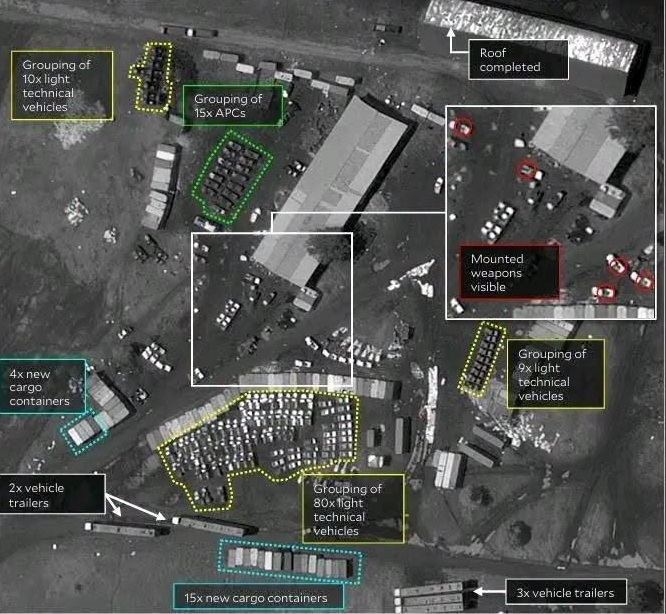
On September 3, 2026, a senior Sudanese official leveled serious accusations against neighboring Ethiopia, claiming the establishment of multiple training facilities for the Rapid Support Forces (RSF) and foreign mercenaries within its borders. Abdulati Mohamed Al-Faki, the governor of Al-Karmak in Sudan's Blue Nile region, specifically alleged that Ethiopian authorities have set up four such camps. These facilities, according to Al-Faki, are not only for fighter training but also include infrastructure for logistical supply and the operation of unmanned aerial vehicles, all purportedly backed by the United Arab Emirates.
The governor's statement detailed several specific locations for these alleged training sites. Among them is the "Fano" camp, situated approximately 40 kilometers from the Sudanese city of Al-Karmak. This particular site is reportedly dedicated to training both RSF personnel and foreign combatants, with direct oversight from Ethiopian intelligence. Further allegations pointed to additional camps named "Dabous" and "Abramo," located southwest of the Ethiopian city of Asosa, as well as a site known as "Jabal Al-Dash," which is said to house operational bases.
These grave accusations emerge amidst intensified conflict in Sudan's southeastern Blue Nile region, an area that shares a border with Ethiopia. Fighting has escalated between the Sudanese Army and an alliance comprising the Rapid Support Forces and the Sudan People's Liberation Movement–North (SPLM–N). The governor's remarks underscore the deepening regional tensions as the conflict in Sudan continues to draw in, or be influenced by, external actors.
Persistent Accusations and Denials
The recent claims from Al-Karmak are not isolated incidents but rather echo a pattern of repeated allegations from the Sudanese government concerning Ethiopia's role in the ongoing internal conflict. Khartoum has consistently accused Addis Ababa of actively fueling the armed struggle in Sudan, specifically by providing weapons and establishing training camps for the Rapid Support Forces. However, the Ethiopian government has steadfastly denied these accusations, maintaining its non-involvement in the internal affairs of its neighbor.
Governor Al-Faki's statement further elaborated on the alleged foreign involvement, asserting that the United Arab Emirates is directly funding the four training camps for RSF fighters within Ethiopian territory. He specified that these facilities, including the Fano camp, operate under the direct supervision of Ethiopian intelligence services, implying a coordinated effort between the two nations to support the RSF. This alleged collaboration, if proven, would represent a significant escalation in regional geopolitical interference.
The detailed nature of the accusations, naming specific locations and outlining the purported roles of both Ethiopian intelligence and UAE funding, adds a new layer to the already complex relationship between Sudan and Ethiopia. The ongoing conflict in Sudan, particularly in border regions like the Blue Nile, creates a volatile environment where such claims can quickly exacerbate existing diplomatic strains and regional instability.
Geopolitical Fallout and International Law Concerns
The allegations that Ethiopia is hosting and facilitating RSF training camps, with financial backing from the UAE, carry significant implications for regional stability and international law. Such actions, if substantiated, could be viewed as violations of state sovereignty and principles of non-interference in the internal affairs of other nations. The alleged support for a non-state armed group like the RSF, which is currently engaged in a civil war against the recognized government of Sudan, raises serious questions about adherence to international norms.
This development signals a potential increase in geopolitical instability across the Horn of Africa, particularly impacting the already strained relations between Sudan and Ethiopia. The involvement of an external power like the United Arab Emirates further complicates the conflict dynamics, transforming what might otherwise be an internal Sudanese matter into a broader regional proxy struggle. The accusations highlight the intricate web of alliances and rivalries that characterize the contemporary political landscape of the region.
For international observers and legal bodies, these claims could trigger calls for investigations into potential breaches of international law, including prohibitions against supporting armed groups that destabilize sovereign states. The specific mention of drone operation facilities also points to the potential for advanced military support, which could prolong the conflict and increase its human cost. The international community will likely scrutinize these allegations closely, given the potential for wider regional ramifications.
Practical Implications
This development signals escalating geopolitical instability and potential international law violations concerning state sovereignty and support for non-state armed groups. Lawyers advising clients with operations or investments in Sudan or Ethiopia should assess increased political risk, potential for international investigations, or future sanctions related to entities implicated in regional conflicts.
Source
How does this affect you?
Get an AI analysis of this article grounded in your jurisdictions, practice areas, and any policy documents you've uploaded to Wansom.
Finish Reading the Full Story and the Expert Analysis.
Wansom is AI and can make mistakes.