
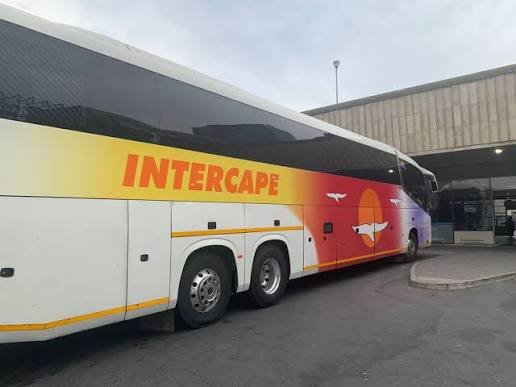
Engcobo Ratepayers: Intercape Ngcobo Court Interdict Secures Bus Operations
Summary
- A recent Mthatha High Court order mandates Intercape buses use the Ngcobo police station as a temporary stop for passenger loading and offloading.
- This Intercape Ngcobo court interdict follows weeks of Ngcobo taxi strike bus operations and multiple legal challenges from the Dr AB Xuma Local Municipality, the local taxi association, and the Engcobo Ratepayers Association.
- The court ordered the Dr AB Xuma Local Municipality to demarcate a specific parking area for Intercape and establish a permanent bus stop within 90 days.
- Intercape has a history of facing intimidation and violence in the Eastern Cape, with previous court orders confirming its bus permits and mandating police protection.
- Passengers express a strong preference for Intercape due to its affordability, comfort, and safety compared to local taxi services.
Judicial Intervention Secures Bus Operations in Ngcobo
This case provides a significant precedent for transport companies facing unlawful interference or violence from local taxi associations, demonstrating how court interdicts can compel municipalities and law enforcement to protect legitimate business operations and ensure public safety.
The Eastern Cape town of Ngcobo, situated approximately 85 kilometers from Mthatha, is currently witnessing a significant shift in public transport operations following a recent court order. This judicial directive mandates that Intercape buses will now utilize the local police station as a designated point for passenger loading and offloading. This development comes after weeks of intense protest action by taxi operators and a series of legal challenges initiated by the Dr AB Xuma Local Municipality, the local taxi association, and the Engcobo Ratepayers Association, all aimed at preventing the long-distance bus company from conducting its services within the town.
This latest Intercape Ngcobo court interdict is a direct response to a protracted period of unrest and intimidation. Intercape buses have, for several years, been targets of violent attacks and threats across the Eastern Cape, with Ngcobo being a particular hotspot. A stark example of this occurred in June, when a child passenger sustained head injuries during an assault on an Intercape bus. Taxi drivers have voiced grievances, asserting that Intercape possesses an unfair competitive advantage, and it has been noted that other bus companies operating from the town's taxi rank reportedly pay a fee to the taxi industry. The escalating tensions culminated in a taxi strike that commenced on August 18, featuring roadblocks designed to obstruct private motorists from transporting passengers. The National Joint Operational and Intelligence Structure (NATJOINTS) intervened, meeting with taxi bosses on September 7, which led to a 21-day suspension of the strike.
A History of Legal Battles and Mandated Protection
The recent Intercape Mthatha High Court order, issued following an application by the Engcobo Ratepayers Association, represents a critical juncture in Intercape's ongoing struggle to operate safely. While the ratepayers' association had sought to block the municipality from allowing Intercape to load and offload passengers, citing alleged disruptions to the town, the court instead ruled in favor of Intercape's continued operations. The court specifically instructed the Dr AB Xuma Local Municipality to demarcate a parking area directly in front of the police station on High Street for Intercape's exclusive use, ensuring it remains clear and unobstructed. Furthermore, the municipality is tasked with identifying and establishing a permanent bus stop for Intercape within a 90-day timeframe.
This is not the first time Intercape's right to operate has been affirmed by the courts. In December of the preceding year, the Dr AB Xuma Local Municipality and the Ngcobo Taxi Association, represented by the same legal counsel, unsuccessfully attempted to block Intercape's operations. The high court in Makhanda subsequently confirmed that Intercape possessed all necessary Intercape bus permits Eastern Cape to operate legally. Earlier, in February, a court order had already mandated police protection for Intercape's buses. The severity of the situation was underscored when, after the June attack on an Intercape bus, the Ngcobo South African Police Service (SAPS) was formally notified to provide reasons why they should not be held in contempt for failing to adhere to the February protection order. Intercape has consistently maintained that repeated incidents of intimidation and violence in Ngcobo rendered their traditional stopping points unsafe, thereby necessitating SAPS protection.
Upholding Public Service Amidst Local Opposition
The judicial intervention underscores a broader commitment to ensuring public access to safe and affordable transport options, even in the face of local opposition. Passengers like Nolitha Selana have expressed a clear preference for Intercape, citing its spaciousness, affordability, and amenities such as onboard bathrooms, timely departures, and designated refreshment stops. Selana contrasted this with taxis, which she described as expensive, cramped, and prone to drivers racing. Another passenger, Ayabonga Madolo, criticized taxi drivers for treating passengers "as if they are transporting animals, not humans," highlighting issues of comfort and basic needs.
Despite these passenger preferences and the court's rulings, the Engcobo Ratepayers Association chairperson, Vuyani Macingwane, has publicly stated that the court order grants Intercape "special treatment." He argued that designated bus space exists at the taxi rank which Intercape should use, implying the company's reluctance to adhere to established local rules. However, Intercape's CEO, Johann Ferreira, has alleged a coordinated campaign of disinformation and intimidation against the company, suggesting a deeper, organized effort to disrupt their services. This case provides a significant precedent for transport companies facing unlawful interference or violence from local taxi associations, demonstrating how court interdicts can compel municipalities and law enforcement to protect legitimate business operations and ensure public safety. Lawyers advising clients in the transport sector should note the court's willingness to uphold operating permits against local pressure and mandate specific actions from authorities.
Practical Implications
This case provides a precedent for transport companies facing unlawful interference or violence from local taxi associations, demonstrating how court interdicts can compel municipalities and law enforcement to protect legitimate business operations and ensure public safety. Lawyers advising clients in the transport sector should note the court's willingness to uphold operating permits against local pressure and mandate specific actions from authorities.
Source
Source: Original reporting via GroundUp.
How does this affect you?
Get an AI analysis of this article grounded in your jurisdictions, practice areas, and any policy documents you've uploaded to Wansom.
Finish Reading the Full Story and the Expert Analysis.
Get the latest legal & regulatory intelligence in South Africa
Wansom is AI and can make mistakes.