
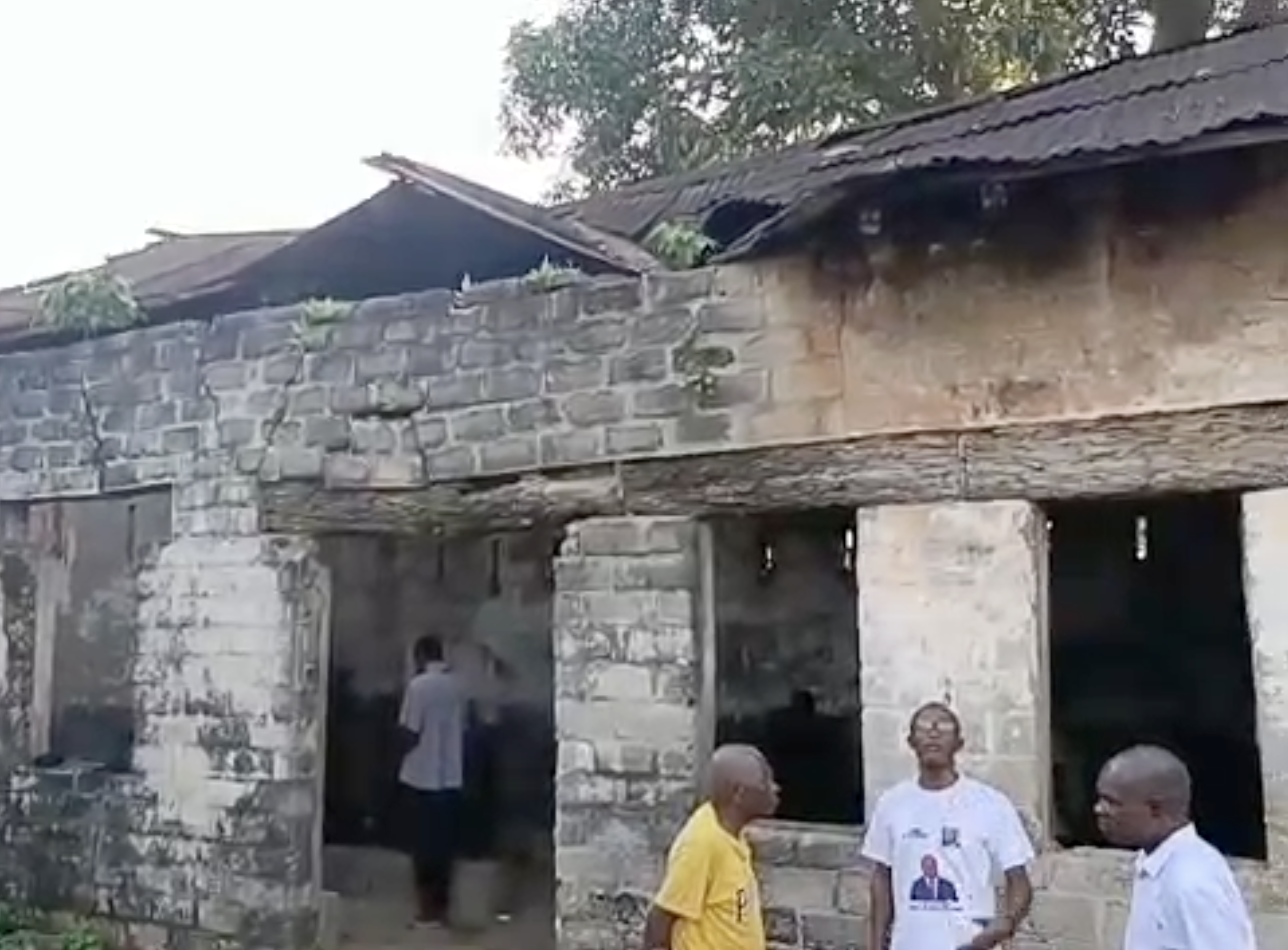
DRC Inongo Prison Escape: Military Abandonment Frees 31 Prisoners
Summary
- Thirty-one prisoners escaped from Inongo Central Prison in the Mai-Ndombe province of the Democratic Republic of Congo.
- The mass escape occurred during the night of September 23-24, leaving only seven detainees in custody.
- Military guards assigned to the prison abandoned their posts, citing unfulfilled financial demands, which facilitated the break.
- The incident highlights a significant DRC prison security failure and systemic issues within the provincial security apparatus.
Major Prison Break in Inongo
The abandonment of duty by military guards, explicitly linked to unresolved financial disputes, suggests a systemic vulnerability that could foreseeably lead to further security compromises across the region.
A significant security breach unfolded at the Inongo Central Prison, located in the Mai-Ndombe province of the Democratic Republic of Congo, during the late hours of September 23 and early morning of September 24. This dramatic event, now recognized as a major Inongo prison escape military abandonment, resulted in 31 detainees successfully fleeing the facility. The mass exodus profoundly impacted the prison's population, leaving only seven individuals still in custody.
This DRC Inongo prison break represents a critical failure in the region's correctional system, particularly highlighting the vulnerabilities within the Mai-Ndombe prison escape context. The escape of 31 prisoners from Inongo underscores a severe lapse in security protocols and oversight, raising immediate concerns about the stability and control of penal institutions in the area.
Security Lapse and Financial Grievances
The catalyst for this extensive prison break was the unexpected and unauthorized withdrawal of military personnel who were specifically tasked with securing the Inongo facility. These guards, whose primary responsibility was to prevent any breaches of security and maintain order, reportedly deserted their posts. This Congo military guards desertion was not an arbitrary act but rather a direct consequence of unaddressed financial demands.
The military personnel had outstanding financial claims, which ultimately led to their collective decision to abandon their critical duties, thereby creating a crucial window of opportunity for the prisoners to escape. This sequence of events starkly reveals a profound DRC prison security failure, where internal systemic issues related to personnel welfare and remuneration directly compromised the operational integrity of a state correctional institution. The decision by the military guards to forsake their vital security roles due to financial grievances points to deeper administrative and resource allocation problems within the provincial security apparatus, demanding immediate attention.
Implications for Justice and Detainee Safety
The Inongo prison escape raises profound and urgent questions regarding the state's fundamental capacity to ensure the secure detention and safety of individuals within its correctional facilities, particularly in geographically sensitive provinces like Mai-Ndombe. Such a significant incident poses substantial risks, not only to broader public safety through the release of potentially dangerous individuals but also to the legal standing of those who remain incarcerated and the due process rights of any recaptured escapees.
Lawyers representing clients detained across the DRC, and especially within the Mai-Ndombe province, are now compelled to closely monitor the evolving security landscape and operational integrity within these correctional facilities. The abandonment of duty by military guards, explicitly linked to unresolved financial disputes, suggests a systemic vulnerability that could foreseeably lead to further security compromises across the region. This event could potentially precipitate legal challenges concerning the government's overarching responsibility for maintaining adequate prison security, ensuring the humane treatment, and upholding the lawful detention of all prisoners. The very integrity of the justice system relies heavily on the secure and consistent operation of its penal institutions, and this incident signals an undeniable need for urgent review, robust reform, and enhanced oversight to prevent future occurrences and steadfastly uphold the rule of law.
Practical Implications
Lawyers with clients detained in the DRC, particularly in the Mai-Ndombe province, should monitor the security situation in correctional facilities. This incident highlights potential risks to the safety and continued detention of prisoners, and could lead to legal challenges regarding state responsibility for prison security or due process for recaptured individuals.
Source
How does this affect you?
Get an AI analysis of this article grounded in your jurisdictions, practice areas, and any policy documents you've uploaded to Wansom.
Finish Reading the Full Story and the Expert Analysis.
Get the latest legal & regulatory intelligence in DR Congo
Wansom is AI and can make mistakes.