
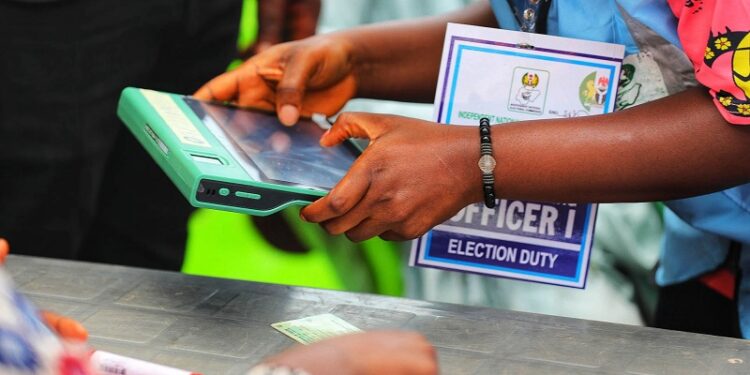
INEC: Tests BVAS Result Portal in Nigeria Ahead of Elections
Summary
- INEC is currently testing its Bimodal Voter Accreditation System (BVAS) and result portal.
- The commission plans to deploy over 1.41 million ad hoc personnel for upcoming elections.
- A total of 57,000 newly procured BVAS devices will be utilized.
- Each BVAS device is calibrated to a reduced threshold of 850 voters per machine.
- These tests are crucial for the integrity of future elections and potential legal challenges.
Key Electoral System Tests Underway
Future electoral disputes will undoubtedly hinge on the documented performance and audit trails generated by these technologies, making their flawless operation a critical factor in upholding the rule of law in the electoral process.
The Independent National Electoral Commission (INEC) is currently conducting crucial tests of its Bimodal Voter Accreditation System (BVAS) and the associated result portal. These exercises are designed to ensure the robust functionality of key technological components ahead of upcoming electoral processes in Nigeria. The testing phase is a vital step in validating the operational readiness of the systems that underpin voter accreditation and the transmission of election results.
This comprehensive evaluation follows INEC's preparations for a large-scale deployment of resources. The commission has indicated plans to utilize over 1.41 million ad hoc personnel to manage the electoral process. Concurrently, 57,000 newly acquired BVAS devices are slated for deployment, each specifically calibrated to accommodate a reduced threshold of 850 voters. This calibration aims to enhance efficiency and accuracy during the accreditation phase on election day.
Scale of Deployment and Technological Updates
The extensive scale of personnel and technology deployment underscores the significant updates to Nigeria's electoral system. The introduction of 57,000 new BVAS devices represents a substantial investment in Nigerian election technology testing and aims to bolster the integrity of the voting process. These devices are central to the BVAS device deployment INEC strategy, designed to prevent multiple voting and ensure that only properly accredited individuals cast ballots. The calibration of these machines to a lower voter threshold per device is a deliberate measure intended to streamline operations at polling units, potentially reducing wait times and improving the overall voter experience.
Furthermore, the mobilization of more than 1.41 million ad hoc personnel highlights the logistical complexity of conducting elections across Nigeria. This large workforce, integral to INEC ad hoc personnel election management, will be responsible for operating the BVAS devices, managing polling unit activities, and facilitating the result transmission process via the portal. The successful integration of human resources with advanced technology is paramount for the efficient and credible execution of electoral duties, reflecting broader Nigeria electoral system updates aimed at enhancing transparency and public confidence.
Implications for Electoral Integrity and Litigation
The ongoing tests of the BVAS and result portal carry significant implications for the integrity of future elections and potential legal challenges. The performance and reliability of these systems are paramount, as they form the backbone of voter accreditation and the electronic transmission of results. Any discrepancies or failures identified during these tests could have far-reaching consequences for the credibility of election outcomes and the subsequent legal recourse available to aggrieved parties.
For legal professionals involved in electoral litigation or advising political parties, closely monitoring the results of these INEC tests BVAS result portal Nigeria is crucial. The functionality of the BVAS devices directly impacts the evidentiary standards related to voter accreditation, while the robustness of the result portal dictates the transparency and reliability of result transmission. Future electoral disputes will undoubtedly hinge on the documented performance and audit trails generated by these technologies, making their flawless operation a critical factor in upholding the rule of law in the electoral process.
Practical Implications
Lawyers involved in electoral litigation or advising political parties should monitor the outcomes of these BVAS and result portal tests. The performance and reliability of these systems will be crucial for potential challenges to election results and for understanding the evidentiary standards related to voter accreditation and result transmission in future Nigerian elections.
Source
How does this affect you?
Get an AI analysis of this article grounded in your jurisdictions, practice areas, and any policy documents you've uploaded to Wansom.
Finish Reading the Full Story and the Expert Analysis.
Get the latest legal & regulatory intelligence in Nigeria
Wansom is AI and can make mistakes.