
INEC: Disowns NEIS.NG Mock Figures for Presidential Election
Summary
- The Independent National Electoral Commission (INEC) has disowned mock election figures published on neis.ng.
- The website, associated with the Nigeria Election Intelligence System (NEIS), displayed purported presidential election results.
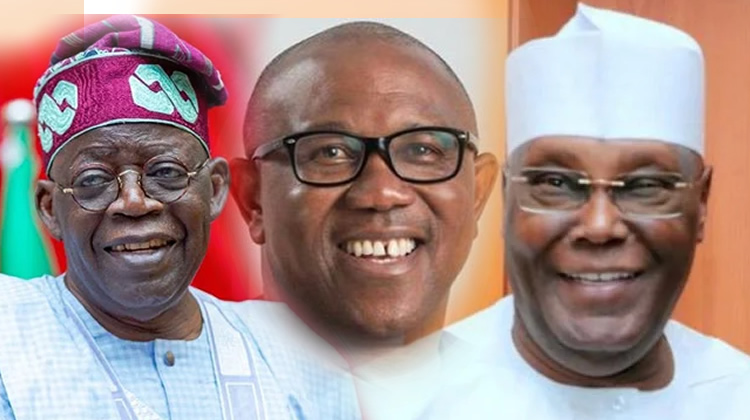
- These figures showed Peter Obi leading with 5,775,102 votes, followed by Bola Tinubu with 5,612,075 votes, and Atiku Abubakar with 5,471,831 votes.
- INEC's clarification emphasizes that these numbers are unofficial and not endorsed by the commission.
- The incident underscores the importance of relying solely on official INEC sources for election data.
Official Clarification Issued
For lawyers and legal teams engaged in election-related matters, the reliance on verified, official data sources is paramount.
The Independent National Electoral Commission (INEC) has publicly distanced itself from certain figures circulating online, specifically those published on neis.ng, the digital platform associated with the Nigeria Election Intelligence System (NEIS). This INEC election results clarification comes in response to data presented on the site, which purported to show the outcomes of a mock presidential election. The electoral body's statement serves as a crucial Nigeria Election Intelligence System disclaimer, emphasizing that the information disseminated through this unofficial channel does not reflect any official or recognized electoral process.
The figures in question suggested a leading position for Peter Obi, who was allocated 5,775,102 votes in this supposed exercise. Following closely behind was President Bola Tinubu, with the platform assigning him 5,612,075 votes. Atiku Abubakar was also listed, with a reported tally of 5,471,831 votes. The prompt action by INEC to disown neis.ng mock figures underscores the commission's commitment to controlling the narrative around election data and preventing the spread of unverified information, which could potentially mislead the public or stakeholders.
The Nature of the Disputed Figures
The data published on neis.ng was presented as results from a "purported mock presidential election," a characterization that INEC has directly challenged. These specific vote counts, including the Peter Obi mock election votes neis.ng, the Bola Tinubu mock election votes neis.ng, and the Atiku Abubakar mock election votes neis.ng, were explicitly rejected by the electoral commission as having any official basis. The website, identified as belonging to the Nigeria Election Intelligence System, had detailed these figures, placing Peter Obi ahead of the other two prominent candidates.
It is important to note that the commission's repudiation clarifies that these numbers do not originate from, nor are they endorsed by, INEC. The distinction between official electoral processes and unofficial simulations or predictions is critical, especially in a politically charged environment. The commission's swift response aims to prevent any confusion regarding the authenticity of election-related statistics that are not directly issued or verified by its authorized channels.
Implications for Election Integrity and Legal Scrutiny
The incident highlights the broader challenge of information integrity in electoral processes and carries significant implications for those involved in election monitoring and potential litigation. For lawyers and legal teams engaged in election-related matters, the reliance on verified, official data sources is paramount. Unofficial platforms, such as neis.ng, can inadvertently or intentionally disseminate misleading information, which, if uncritically accepted, could undermine the factual basis of legal arguments or public confidence in the electoral system.
The Independent National Electoral Commission's clear stance reinforces the principle that only its official pronouncements and data should be considered authoritative. This directive is crucial for maintaining transparency and credibility. Any deviation from this standard risks introducing inaccuracies into public discourse and legal proceedings, thereby potentially impacting the perception of election integrity. The commission's proactive INEC disowns neis.ng mock figures action serves as a reminder to all stakeholders to exercise due diligence and consult only official channels for election results and related statistics.
Practical Implications
Lawyers involved in election litigation or monitoring must rely solely on official INEC pronouncements and verified data sources, as unofficial platforms like neis.ng can disseminate misleading information, potentially impacting legal arguments or public perception of election integrity.
Source
How does this affect you?
Get an AI analysis of this article grounded in your jurisdictions, practice areas, and any policy documents you've uploaded to Wansom.
Finish Reading the Full Story and the Expert Analysis.
Get the latest legal & regulatory intelligence in Nigeria
Wansom is AI and can make mistakes.