
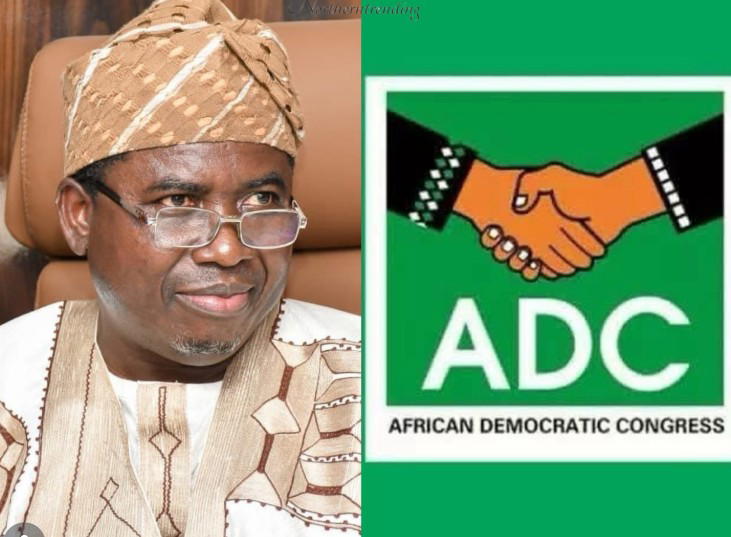
INEC Disowns David Mark ADC Poster: Falsified Leadership Claim
Summary
- INEC condemned a fake poster falsely claiming the reaffirmation of David Mark's leadership of the African Democratic Congress (ADC).
- The misleading publication illegally used INEC's official logo.
- The poster also featured the unauthorized image of INEC National Commissioner, Mohammed Haruna.
- INEC's disavowal highlights its commitment to countering disinformation regarding political party structures.
- Unauthorized use of official logos and public figures' images carries significant legal and regulatory consequences.
Electoral Body Condemns Misinformation
Lawyers advising political entities must emphasize the legal ramifications of disseminating unverified information and the unauthorized use of official logos or public figures' images.
The Independent National Electoral Commission (INEC) recently issued a strong condemnation regarding a misleading publication. This incident involved a fabricated poster that falsely asserted the reaffirmation of the leadership of the African Democratic Congress (ADC) under David Mark. The electoral body explicitly stated that it disowns the David Mark ADC poster, clarifying that the claims made within it are entirely baseless and unauthorized.
Further exacerbating the deceptive nature of the material, the creators of the poster illicitly utilized INEC's official logo. This unauthorized deployment of the commission's emblem is a serious breach, as it falsely implies official endorsement or origin. Additionally, the publication featured the image of Mohammed Haruna, a National Commissioner for INEC, without any consent or authorization, further lending a false air of legitimacy to the spurious claims.
This clear instance of INEC fake ADC leadership claim highlights the challenges faced by electoral bodies in maintaining the integrity of public information. The commission's swift response underscores its commitment to countering disinformation that could potentially mislead the electorate or political stakeholders regarding party structures and leadership.
Legal and Regulatory Implications
The unauthorized use of an official body's logo, such as that of INEC, carries significant legal and regulatory ramifications. Such actions are not merely misleading; they constitute a misrepresentation designed to deceive the public and undermine the authority and credibility of the institution. Electoral laws and regulations typically protect the symbols and identities of national commissions to prevent their misuse for partisan or fraudulent purposes.
Similarly, the unauthorized appropriation of a public official's image, like that of National Commissioner Mohammed Haruna, raises concerns about privacy rights and the potential for reputational damage. Public figures, even in their official capacities, are protected from having their likeness used to endorse or propagate false information without their express permission. This Mohammed Haruna logo misuse, combined with the image use, creates a false narrative that could have serious consequences for public perception.
Political parties and their affiliates operate within a framework of rules designed to ensure fair play and transparency. Disseminating unverified information, particularly concerning internal party leadership disputes or affirmations, can lead to legal challenges for misinformation. Regulatory bodies like INEC possess powers to sanction entities found to be engaging in such deceptive practices, emphasizing the need for strict adherence to ethical communication standards within the political landscape of African Democratic Congress leadership Nigeria.
Safeguarding Electoral Integrity
The incident serves as a critical reminder of the ongoing battle against disinformation in the political sphere, a topic frequently covered in Vanguard Nigeria INEC news and other media outlets. The integrity of the electoral process hinges on the accuracy of information disseminated to the public. When false claims about party leadership or official endorsements circulate, they can sow confusion, erode public trust in institutions, and potentially destabilize political processes.
The swift disavowal by INEC is crucial in mitigating the potential harm caused by such fake posters. It sends a clear message that the commission will not tolerate attempts to manipulate public opinion or misrepresent its official positions. This proactive stance is vital for maintaining the credibility of electoral outcomes and ensuring that political discourse is based on verifiable facts rather than fabricated narratives.
Ultimately, this situation underscores the broader importance for all stakeholders, including political parties, media, and the public, to exercise diligence in verifying information. Lawyers advising political entities must emphasize the legal ramifications of disseminating unverified information and the unauthorized use of official logos or public figures' images. Such actions can lead to not only reputational damage but also significant legal challenges and potential regulatory sanctions from bodies like INEC, thereby impacting the democratic process.
Practical Implications
Lawyers should advise political parties and their affiliates on the legal ramifications of disseminating unverified information and the unauthorized use of official logos or public figures' images, as such actions can lead to reputational damage, legal challenges for misinformation, and potential regulatory sanctions from bodies like INEC.
Source
How does this affect you?
Get an AI analysis of this article grounded in your jurisdictions, practice areas, and any policy documents you've uploaded to Wansom.
Wansom is AI and can make mistakes.