
INEC: Amupitan Warns of AI Deepfake Electoral Litigation Threat
Summary
- Professor Joash Amupitan, Chairman of INEC, issued a warning to tribunal judges.
- The warning concerns new challenges posed by AI-generated deepfakes and digital misinformation.
- These issues are anticipated to impact electoral litigation and justice administration ahead of Nigeria's 2027 general elections.
- Amupitan noted that while technology has improved election transparency, new threats are now emerging.
- The increasing use of artificial intelligence presents significant hurdles for the fair resolution of election disputes.
A Looming Threat to Electoral Integrity
Lawyers engaged in electoral litigation or advising political entities in Nigeria must anticipate and prepare for the emergence of AI-generated deepfakes and digital misinformation as potential evidence or campaign tactics in the 2027 elections.
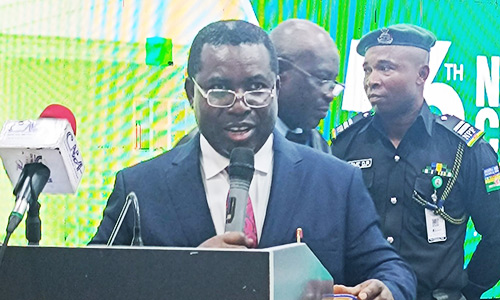
Professor Joash Amupitan, who chairs Nigeria's Independent National Electoral Commission (INEC), recently issued a significant warning regarding the integrity of future electoral processes. Addressing tribunal judges, Amupitan highlighted the escalating threat posed by artificial intelligence-generated deepfakes and widespread digital misinformation. This INEC Amupitan AI deepfake electoral litigation concern underscores a critical challenge for the nation's judicial system as it prepares for the 2027 general elections.
The Professor Joash Amupitan warning specifically pointed to how these advanced technological manipulations could severely complicate electoral litigation and the overall administration of justice. The increasing sophistication of AI tools means that fabricated audio, video, and textual content could be deployed to mislead voters, discredit candidates, or even influence judicial outcomes. Such developments demand proactive measures from all stakeholders involved in upholding democratic principles.
Technology's Double-Edged Sword
While technology has historically been lauded for enhancing the transparency of electoral processes, the Chairman of INEC, Professor Joash Amupitan, emphasized that new and complex threats are now emerging. The very tools that once promised greater accountability are now being weaponized through AI-driven content, creating a precarious landscape for electoral justice AI misinformation. This evolving scenario presents a unique set of difficulties for those tasked with adjudicating election-related disputes.
The INEC challenges tribunal judges to prepare for a new era where the authenticity of digital evidence, such as videos or audio recordings, may be routinely questioned due to the prevalence of deepfake technology. This necessitates a heightened level of scrutiny and potentially new forensic capabilities within the judicial system to discern genuine information from sophisticated fabrications. The implications for the fair resolution of election petitions are profound, requiring a robust response from the judiciary.
Preparing for 2027 Election Deepfakes
The Nigeria 2027 election deepfakes scenario painted by Professor Amupitan indicates that legal practitioners and political entities must fundamentally reassess their strategies for upcoming electoral cycles. The potential for AI-generated content to influence public perception or be presented as evidence in court means that verifying the authenticity of all digital materials will become paramount. This shift will undoubtedly impact how digital evidence election petitions are prepared, presented, and ultimately decided.
Lawyers engaged in electoral litigation or advising political entities in Nigeria must anticipate and prepare for the emergence of AI-generated deepfakes and digital misinformation as potential evidence or campaign tactics in the 2027 elections. This necessitates developing strategies to verify digital evidence and address challenges to electoral justice stemming from advanced technological manipulation. The proactive stance taken by INEC's Chairman serves as a critical call to action for the entire legal and political landscape to adapt to these unprecedented technological challenges.
Practical Implications
Lawyers engaged in electoral litigation or advising political entities in Nigeria must anticipate and prepare for the emergence of AI-generated deepfakes and digital misinformation as potential evidence or campaign tactics in the 2027 elections. This necessitates developing strategies to verify digital evidence and address challenges to electoral justice stemming from advanced technological manipulation.
Source
How does this affect you?
Get an AI analysis of this article grounded in your jurisdictions, practice areas, and any policy documents you've uploaded to Wansom.
Finish Reading the Full Story and the Expert Analysis.
Get the latest legal & regulatory intelligence in Nigeria
Wansom is AI and can make mistakes.