
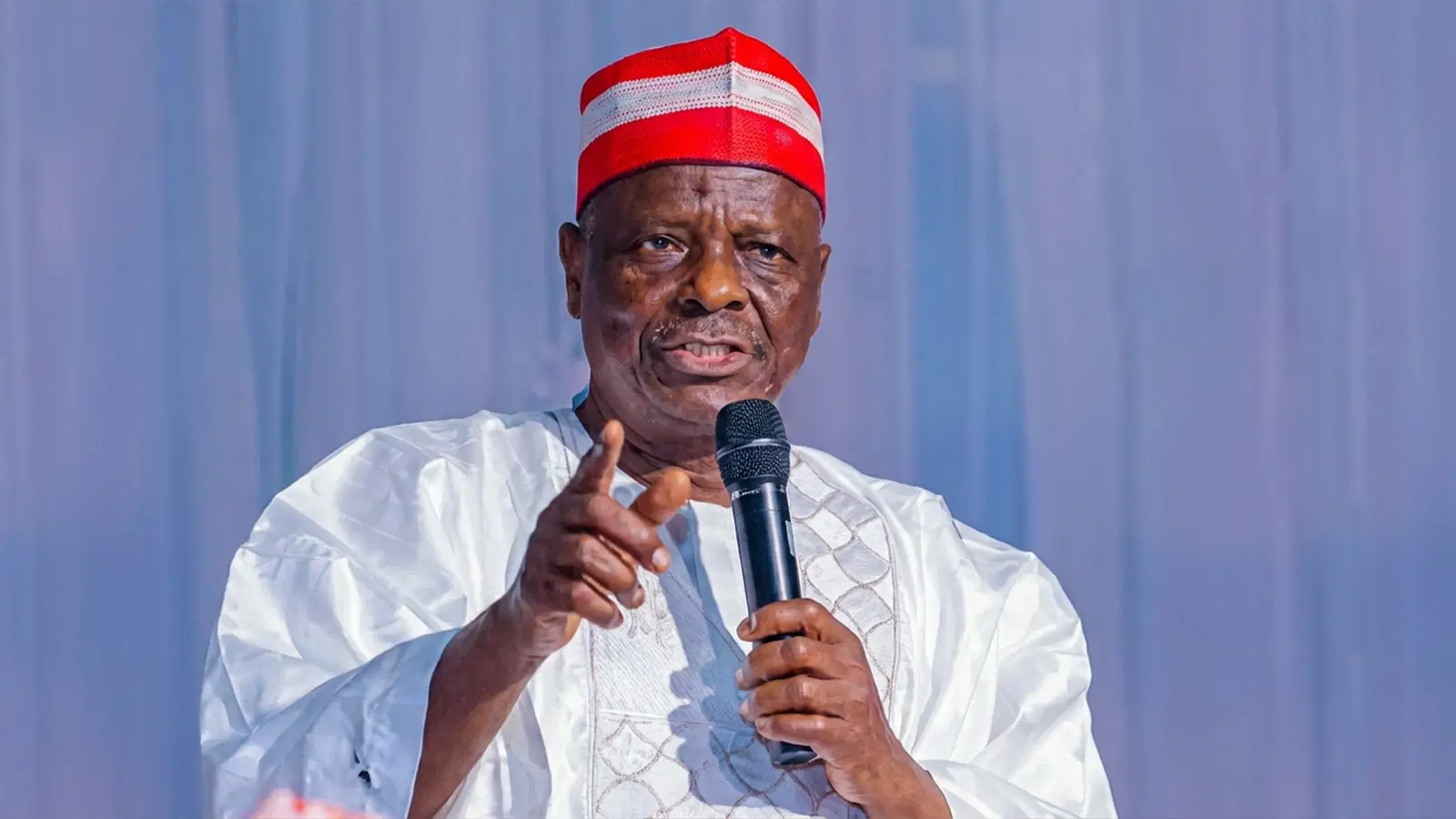
INEC: Kwankwaso Warns on AI-Generated Images in Voter Register
Summary
- Former Kano State Governor Rabiu Musa Kwankwaso warned INEC about alleged irregularities in the preliminary voter register.
- The warning specifically concerned AI-generated images reportedly found within the voter registration database.
- Kwankwaso stated these alleged voter registration irregularities could undermine the credibility of the 2027 general elections.
- The use of AI-generated images in voter registers introduces novel grounds for challenging election results and necessitates new evidentiary standards for proving voter fraud.
What Happened
The potential use of AI-generated images in voter registers could establish entirely new grounds for challenging election results in the 2027 general elections.
Rabiu Musa Kwankwaso, a former Governor of Kano State, recently issued a significant caution to the Independent National Electoral Commission (INEC). His warning specifically addressed alleged irregularities detected within the preliminary voter register, raising concerns that these issues could severely compromise the integrity of the upcoming 2027 general elections. The core of the concern revolves around the reported presence of AI-generated images within the voter registration database.
This development highlights a growing apprehension among political stakeholders regarding the foundational data for future elections. Kwankwaso's intervention underscores the critical need for the Independent National Electoral Commission to meticulously review and rectify any discrepancies in the voter register. The allegations of AI-generated images in the voter register, if substantiated, point to a sophisticated form of potential manipulation that could distort electoral outcomes and erode public trust in the democratic process.
Legal and Regulatory Context
The Independent National Electoral Commission bears the constitutional mandate to ensure the credibility and fairness of elections in Nigeria, a responsibility that hinges significantly on maintaining an accurate and verifiable voter register. The emergence of alleged AI-generated images within this crucial document introduces a novel and complex challenge to existing electoral laws and regulatory frameworks. Such technological manipulation could create 'ghost voters' or duplicate entries, thereby undermining the principle of one person, one vote.
Lawyers specializing in electoral law and election petitions should closely monitor INEC's response to these serious allegations. The potential use of AI-generated images in voter registers could establish entirely new grounds for challenging election results in the 2027 general elections. Furthermore, it necessitates the development of new evidentiary standards for proving voter fraud, moving beyond traditional methods to address sophisticated digital falsifications. The legal community will need to adapt quickly to these evolving threats to election integrity.
Why It Matters
The warning from Rabiu Musa Kwankwaso regarding alleged voter registration irregularities, particularly the mention of AI-generated images, carries substantial weight for the future of Nigeria's democratic landscape. A compromised voter register directly threatens the legitimacy of any election conducted using it, potentially leading to widespread disputes and a loss of confidence in the electoral system. Ensuring the integrity of the voter register is paramount for the peaceful and credible conduct of the 2027 general elections.
Should these allegations prove true, the Independent National Electoral Commission would face immense pressure to implement robust verification mechanisms capable of detecting and eliminating such advanced forms of fraud. The integrity of Nigeria's 2027 election integrity hinges on INEC's proactive and transparent handling of these concerns. Failure to adequately address the issue of AI-generated images in the voter register could invite numerous election petitions and cast a long shadow over the democratic aspirations of the nation.
Practical Implications
Lawyers specializing in electoral law and election petitions should monitor INEC's response to these allegations, as the use of AI-generated images in voter registers could introduce novel grounds for challenging election results and necessitate new evidentiary standards for proving voter fraud in the 2027 general elections.
Source
How does this affect you?
Get an AI analysis of this article grounded in your jurisdictions, practice areas, and any policy documents you've uploaded to Wansom.
Finish Reading the Full Story and the Expert Analysis.
Wansom is AI and can make mistakes.