
Allahabad High Court: No 2-Year Gap for Second Maternity Leave
Summary
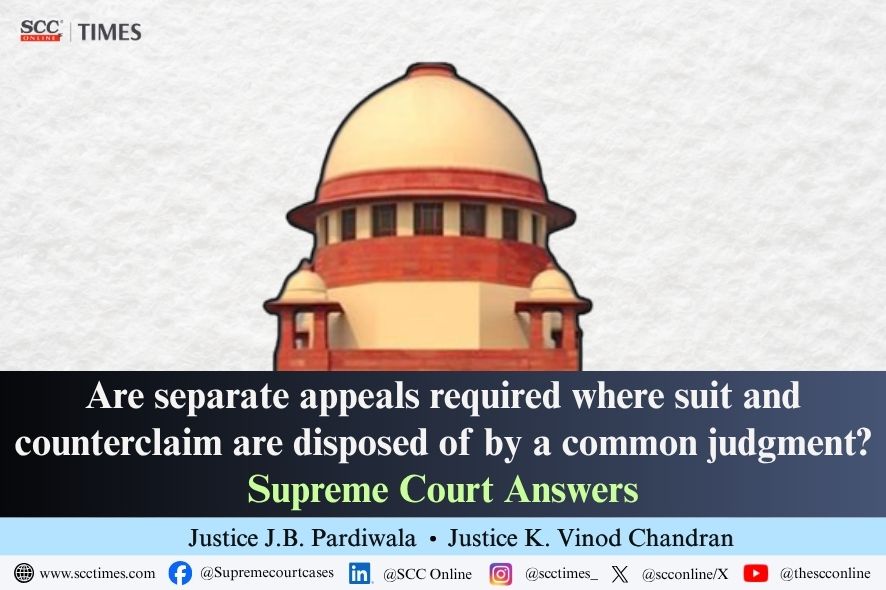
- The Indian Supreme Court has clarified that separate appeals may be necessary when a suit and counterclaim are disposed of by a common judgment.
- The decision affects lawyers handling such cases, who must carefully review the judgment to determine if additional appeals are required.
- Separate appeals may impact clients' compliance obligations in cases involving suits and counterclaims.
What Happened
The Supreme Court's clarification on separate appeals will impact lawyers handling such cases, as they must carefully review the judgment to determine if additional appeals are required.
The Indian Supreme Court has addressed a long-standing issue in its case law, clarifying the requirements for separate appeals in cases involving both suits and counterclaims. The Court's decision stems from a review of existing authorities, which revealed a divergence of opinions on this matter. This discrepancy led to varying practices across different states regarding the drawing up of decrees from common judgments. In response, the Supreme Court has provided guidance on when separate appeals are necessary in such cases.
Legal Context
The Indian legal system recognizes the concept of suits and counterclaims, where a plaintiff brings an action against a defendant who, in turn, raises a claim against the plaintiff. In common judgments, both claims are disposed of together, but this can create uncertainty regarding the appeal process. The Supreme Court's decision is significant because it affects not only the parties involved but also the broader legal landscape. The Court's clarification on separate appeals will impact lawyers handling such cases, as they must carefully review the judgment to determine if additional appeals are required.
Why It Matters
The Supreme Court's decision has far-reaching implications for litigants and their counsel. In cases where a common judgment is rendered, separate appeals may be necessary to ensure that all parties' rights are protected. This development means that lawyers handling such cases must carefully review the judgment to determine if separate appeals are required, potentially impacting their clients' compliance obligations. The Court's clarification on this issue will also contribute to greater consistency in the application of law across different states.
Practical Implications
This development means that lawyers handling cases with suit and counterclaim must carefully review the judgment to determine if separate appeals are required, potentially impacting their clients' compliance obligations.
Source
Source: Original reporting via SCC Times
How does this affect you?
Get an AI analysis of this article grounded in your jurisdictions, practice areas, and any policy documents you've uploaded to Wansom.
Wansom is AI and can make mistakes.