
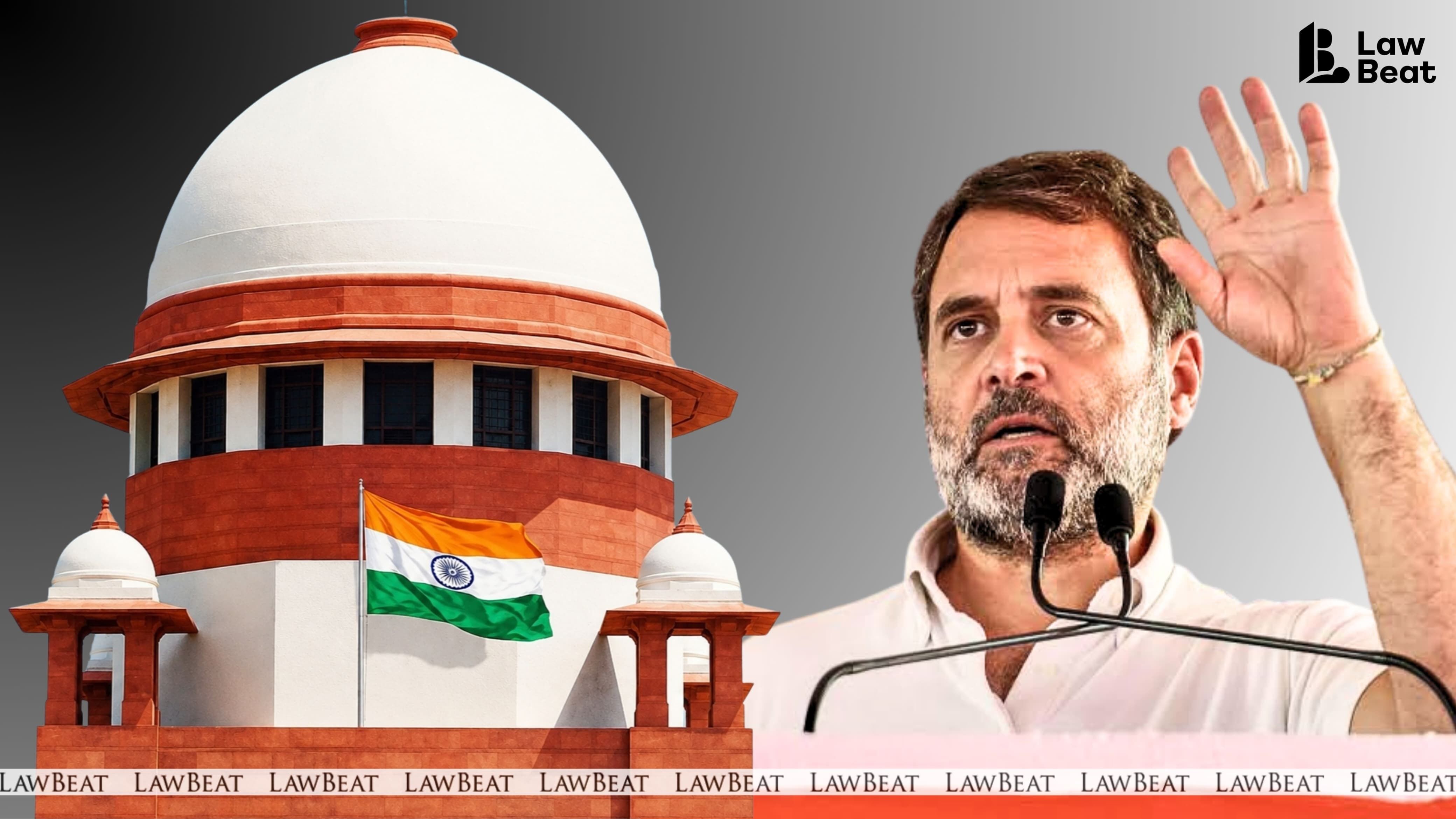
Rahul Gandhi: Supreme Court to Hear CBI ED Assets Probe Challenge
Summary
- Rahul Gandhi has petitioned the Supreme Court to challenge Allahabad High Court orders.
- The High Court had directed the CBI and ED to verify allegations of disproportionate assets against him.
- Gandhi also seeks to transfer the proceedings from the Allahabad High Court to the Delhi High Court.
- The Allahabad High Court had expressed dissatisfaction with the CBI's affidavit regarding its progress in the probe.
- Both petitions are slated for a Supreme Court hearing on August 17 before a bench including Chief Justice of India Surya Kant.
Supreme Court Intervention Sought
Mr. Gandhi’s decision to move the Supreme Court represents a significant procedural challenge to High Court directives that compel investigative agencies to act.
Leader of Opposition Rahul Gandhi has initiated a challenge in the Supreme Court against directives issued by the Allahabad High Court. These orders mandate the Central Bureau of Investigation (CBI) and the Enforcement Directorate (ED) to verify claims that he possesses assets disproportionate to his declared income. In addition to contesting the High Court's instructions, Mr. Gandhi has also filed a separate petition requesting the transfer of these legal proceedings from the Allahabad High Court to the Delhi High Court.
Both petitions were formally submitted on August 7 and are scheduled for consideration by a Supreme Court Bench on August 17. The three-judge panel designated to hear the matter includes Chief Justice of India Surya Kant, Justice Joymalya Bagchi, and Justice V Mohana.
Genesis of the High Court Directives
The origins of the proceedings before the Allahabad High Court trace back to a complaint lodged by Vignesh Shishir, a BJP worker based in Karnataka. Mr. Shishir's complaint alleged that Mr. Gandhi held assets that were not commensurate with his known sources of income. Following this, in an order issued in May, the High Court directed that if the complaint had indeed been received by the investigative agencies, the allegations contained within it should be verified in accordance with established legal procedures.
The court further clarified that based on the outcome of this verification, the CBI or ED would be empowered to take any appropriate steps permissible under law. Crucially, the High Court also instructed the agencies to keep it informed about the progress of the matter.
Agencies' Compliance Under Scrutiny
During its subsequent review of the investigative agencies' progress, the Allahabad High Court expressed considerable dissatisfaction with the counter affidavit submitted by the Central Bureau of Investigation. The court observed that the CBI's response failed to adequately explain the advancements made in the investigation, noting that it did not comply with the directions outlined in its earlier order. Consequently, a division bench comprising Justice Rajesh Singh Chauhan and Justice Brij Raj Singh directed the CBI to file a fresh counter affidavit.
This new submission was specifically mandated to be sworn by a senior official, either the Joint Director or the Head of Zone, ACHQ Zone, New Delhi, and was required to articulate the investigation's progress in clear and understandable terms, enabling the court to grasp the steps taken. In contrast, the Enforcement Directorate's counter affidavit was viewed favorably by the bench. After examining the ED's submission, the court concluded that the agency had undertaken the necessary actions in relation to the complaint. The High Court also clarified that should the ED, during the course of its investigation into the Rahul Gandhi disproportionate assets challenge, uncover any material or documents indicating a misdeed or illegal act, it should proceed strictly in accordance with legal provisions.
Broader Legal Significance
This development, centered on the Rahul Gandhi Supreme Court CBI ED probe, underscores the critical role of the judiciary in overseeing investigative processes, particularly in high-profile cases. Mr. Gandhi’s decision to move the Supreme Court represents a significant procedural challenge to High Court directives that compel investigative agencies to act.
The Supreme Court's upcoming consideration of the matter on August 17 will be closely watched for its potential to set precedents regarding the limits of judicial oversight over ongoing investigations and the criteria for transferring cases between High Courts, as requested in the Supreme Court transfer petition Rahul Gandhi has filed. The outcome could influence how similar directives to agencies like the CBI and ED are reviewed and challenged in the future, impacting the balance between judicial activism and investigative autonomy.
Practical Implications
This development highlights the procedural avenues for challenging High Court directives to investigative agencies (CBI, ED) and the Supreme Court's potential role in reviewing the scope of such orders. Lawyers should monitor the Supreme Court's decision for precedents on the limits of judicial oversight over ongoing investigations and the criteria for transferring high-profile cases between High Courts, which could impact strategies for clients facing similar probes.
Source
How does this affect you?
Get an AI analysis of this article grounded in your jurisdictions, practice areas, and any policy documents you've uploaded to Wansom.
Wansom is AI and can make mistakes.