
India Supreme Court: Questions Government on Central Secretariat Library Relocation
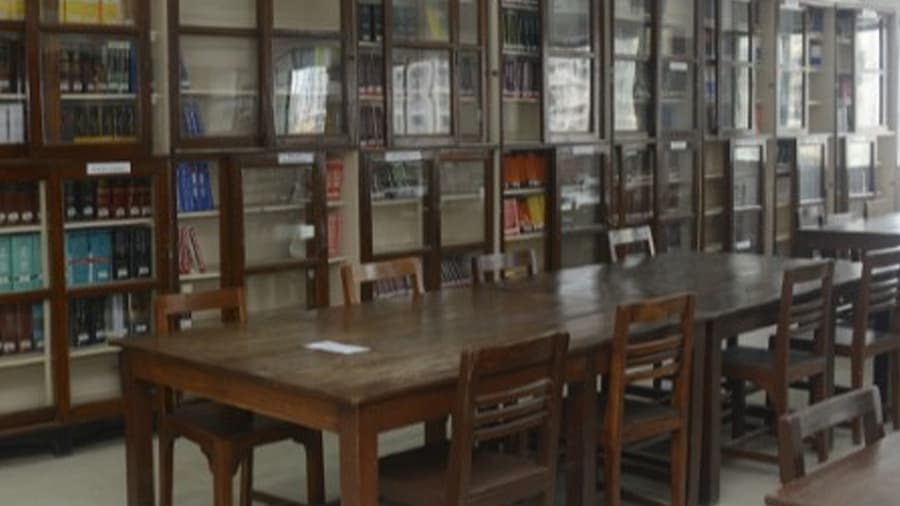
On Monday, the Supreme Court of India, through Justices PV Sanjay Kumar and Sanjeev Sachdeva, questioned the Central government regarding the inadequate arrangements for the relocation of the 135-year-old Central Secretariat Library from Shastri Bhawan in New Delhi, amidst the Central Vista redevelopment project.
The Court expressed significant concern over what it perceived as an "ad hoc approach" to the relocation, emphasizing the library's historical and cultural heritage, with some collections dating back to 1702. The Justices remarked on the government's apparent lack of concern for this valuable collection, even suggesting it be given to another country if not valued domestically. The matter came before the Court as a suo motu case, initiated after a report in The Indian Express highlighted concerns about the proposed move. Importantly, the Court recorded the Centre's assurance that the books would not be shifted before the next hearing scheduled for November 20, indicating a temporary halt to the relocation process. The final outcome of this matter is not yet reported.
This judicial intervention is highly significant for practitioners, as it underscores the judiciary's proactive role in safeguarding cultural heritage and ensuring due diligence in large-scale government projects. It signals that even administrative decisions related to infrastructure development, such as the Central Vista project, are subject to rigorous judicial scrutiny, particularly when public assets of historical importance are involved. The Court's strong remarks highlight the potential for public interest litigation or suo motu action to influence the implementation of government schemes, compelling authorities to adopt more considered and transparent processes.
The legal context for this development primarily involves administrative law principles concerning judicial review of executive action, the public trust doctrine, and potentially constitutional provisions related to the protection of cultural heritage, although specific articles were not cited. The Supreme Court's power to initiate a suo motu case demonstrates its inherent jurisdiction to address matters of significant public concern. Key parties involved are the Supreme Court of India, the Central government, the Union Ministry of Culture (under which the Central Secretariat Library functions), and The Indian Express, whose reporting prompted the Court's action.
Attorneys advising government agencies or private entities involved in major infrastructure or redevelopment projects, especially those impacting historical sites or cultural assets, should take note of this heightened judicial scrutiny. It is imperative to conduct thorough impact assessments, develop comprehensive preservation plans, and ensure transparent communication regarding the handling of heritage items. Practitioners should closely monitor the proceedings, particularly the outcome of the November 20 hearing, as it may provide further guidance on the standards of care and accountability expected from the executive in managing public and heritage assets. This case reinforces the need for robust legal and ethical frameworks in project execution.
How does this affect you?
Get an AI analysis of this article grounded in your jurisdictions, practice areas, and any policy documents you've uploaded to Wansom.
Finish Reading the Full Story and the Expert Analysis.
Get the latest legal & regulatory intelligence in India
Wansom is AI and can make mistakes.