
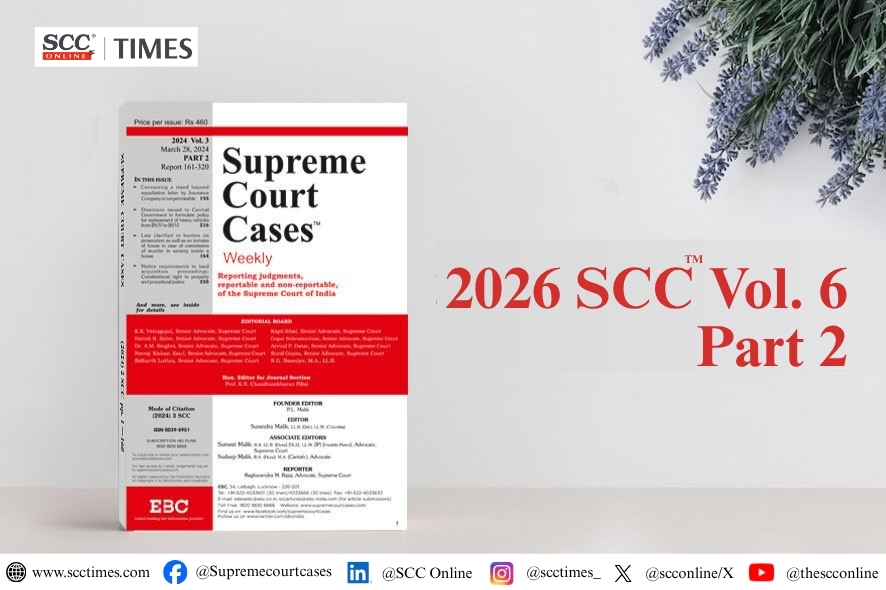
Supreme Court of India: Preventive Detention Laws, Freedom of Speech
Summary
- The Indian Supreme Court has ruled that preventive detention laws must be strictly interpreted to prevent abuse of power by state authorities.
- Separate trials can now be conducted for co-accused individuals, even if they are charged with similar offenses.
- The court emphasized the importance of protecting individual rights while balancing them against national security concerns in freedom of speech cases.
What Happened
Preventive detention laws must be strictly interpreted to prevent abuse of power by state authorities.
The Indian Supreme Court has handed down several landmark judgments in recent months, shedding light on the country's constitutional framework. In one notable case, the court ruled that preventive detention laws must be strictly interpreted to prevent abuse of power by state authorities. This decision was made in response to a petition filed by a group of individuals who were detained under the National Security Act (NSA) for alleged involvement in anti-government activities.
In another significant ruling, the Supreme Court held that separate trials can be conducted for co-accused individuals, even if they are charged with similar offenses. This judgment has implications for the country's criminal justice system and may lead to more efficient trial proceedings.
The court also addressed issues related to freedom of speech in India, emphasizing the importance of protecting individual rights while balancing them against national security concerns.
Legal Context
Preventive detention laws have been a contentious issue in India for several years, with critics arguing that they are often used as a tool for suppressing dissent and opposition. The Supreme Court's ruling on the NSA is seen as a significant step towards curbing this abuse of power. In its judgment, the court relied on Article 22(5) of the Indian Constitution, which prohibits detention without trial unless authorized by a competent magistrate.
The separate trials case has implications for the country's criminal justice system, particularly in cases where multiple accused individuals are charged with similar offenses. The Supreme Court's decision is based on the principle that each co-accused should be tried separately to ensure fairness and prevent tainting of evidence.
The court's treatment of freedom of speech issues reflects its ongoing efforts to balance individual rights against national security concerns. This balancing act has been a recurring theme in recent Supreme Court decisions, particularly during the pandemic when governments have invoked emergency powers to restrict public gatherings and impose curfews.
Why It Matters
The implications of these new precedents are far-reaching and will likely impact lawyers handling constitutional rights cases. The preventive detention ruling sets a high bar for state authorities, requiring them to strictly interpret the law and avoid abuse of power. This decision may lead to increased scrutiny of detention orders and more robust protections for individual liberties.
The separate trials judgment has significant implications for the country's criminal justice system, particularly in cases where multiple accused individuals are charged with similar offenses. Lawyers should be aware of this new precedent when advising clients on trial strategy and potential challenges to preventive detention laws.
As India continues to navigate the complexities of constitutional law, these Supreme Court decisions serve as a reminder of the importance of upholding individual rights while balancing them against national security concerns.
Practical Implications
Lawyers should watch for the implications of these new precedents on their clients' constitutional rights and potential challenges to preventive detention laws.
Source
Source: Original reporting via SCC Times
How does this affect your business?
Get an AI analysis of this article grounded in your jurisdictions, practice areas, and any policy documents you've uploaded to Wansom.
Wansom is AI and can make mistakes.