
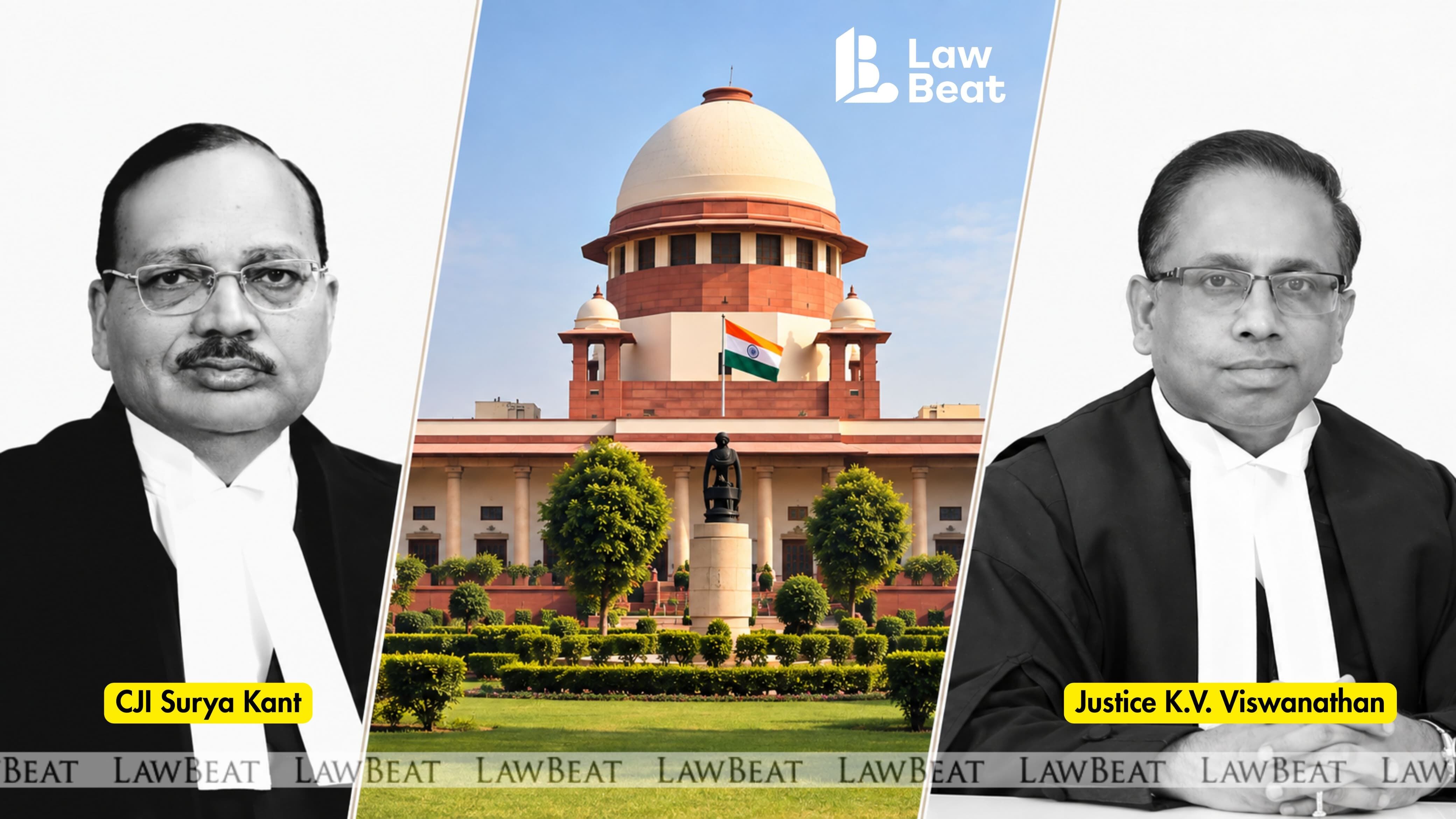
India Supreme Court: Judicial Well-being Committee Formed
Summary
- The Supreme Court of India has formed a Standing Committee on Judicial Well-being, announced on World Mental Health Day.
- Justice K.V. Viswanathan chairs the five-member committee, which was constituted by Chief Justice of India Justice Surya Kant.
- The committee's primary goal is to address occupational stress, heavy workloads, and other challenges faced by judicial officers.
- Its establishment was prompted by a study from the Centre for Research and Planning that highlighted these issues within the District Judiciary.
- The initiative seeks to create a sustained institutional framework for judicial support, drawing inspiration from international declarations like the Nauru Declaration on Judicial Well-being.
Establishment of a Key Judicial Well-being Committee
The Court has explicitly stated that the well-being of judges is not merely an individual concern but is intrinsically linked to the efficiency, quality, and sustainability of justice administration.
The Supreme Court of India has officially established a Standing Committee dedicated to Judicial Well-being, a significant move announced on October 10, coinciding with World Mental Health Day. This India Supreme Court judicial well-being committee is tasked with confronting the challenges of stress and heavy workloads experienced by judicial officers across the country. Chief Justice of India Justice Surya Kant was instrumental in constituting this five-member Justice Surya Kant judicial panel, underscoring the judiciary's commitment to the welfare of its members.
The newly formed committee is chaired by Supreme Court Justice K.V. Viswanathan, leading what is now known as the Justice K.V. Viswanathan committee. He is joined by four other distinguished members: Dr. Savita Malhotra, former Dean and Professor & Head of Psychiatry at PGIMER Chandigarh; Rajat Mitra, a psychologist and co-founder of Swanchetan Society for Mental Health; Mrinal Kanwar, an Advocate-on-Record at the Supreme Court of India; and Aarti Singh, Registrar (J) for the Centre for Research and Planning at the Supreme Court of India. This diverse composition reflects a multidisciplinary approach to understanding and addressing the complex issues surrounding judicial well-being. The Supreme Court's press release highlighted this initiative as a crucial step towards acknowledging judicial well-being as an indispensable element for an effective, independent, and sustainable justice delivery system.
Addressing Occupational Stress in the Judiciary
The impetus for forming this committee stemmed directly from a comprehensive Supreme Court occupational stress study conducted by the Centre for Research and Planning, specifically focusing on the District Judiciary. This research brought to light several critical issues faced by judicial officers, including pervasive occupational stress, substantial workloads, and persistent staffing shortages. The study's findings served as a foundational evidence base, revealing the demanding circumstances under which judicial officers operate. These include not only heavy caseloads and extended working hours but also complex decision-making processes, administrative pressures, and frequent exposure to emotionally challenging and sensitive legal matters.
Beyond these immediate pressures, the study also delved into broader concerns such as mental and physical exhaustion, infrastructural limitations, the impact of administrative responsibilities, challenges related to transfers, difficulties in maintaining work-life balance, and the availability of institutional support. The Supreme Court explicitly recognized that these factors significantly impact the professional and personal well-being of its officers. Consequently, the India Supreme Court judicial well-being committee has been established to provide a structured institutional mechanism designed to identify and proactively address these multifaceted issues. The Court has explicitly stated that the well-being of judges is not merely an individual concern but is intrinsically linked to the efficiency, quality, and sustainability of justice administration.
A Sustained Framework for Judicial Support
The mandate of the Justice K.V. Viswanathan committee extends beyond immediate problem-solving, aiming to establish a continuous institutional platform for monitoring and responding to both existing and emerging challenges in Indian judiciary mental health. Its responsibilities encompass identifying specific areas requiring institutional intervention, facilitating coordinated welfare measures, developing appropriate guidance, and regularly reviewing initiatives implemented to support judicial officers. This strategic approach is intended to move beyond isolated, ad-hoc interventions, instead fostering a sustained framework for promoting judicial well-being across the entire judicial system.
This significant domestic initiative also aligns with broader international efforts to prioritize judicial welfare. The Supreme Court's announcement referenced the Nauru Declaration Judicial Well-being, adopted on July 25, 2024. This international declaration underscores the necessity for systemic, evidence-based measures to safeguard the physical and mental health of judicial personnel. By integrating these global perspectives, the India Supreme Court judicial well-being committee positions itself as part of a worldwide movement to ensure that those upholding justice are themselves supported in their demanding roles, ultimately contributing to a more robust and equitable legal system.
Practical Implications
Lawyers and compliance officers should note that the Supreme Court's establishment of this committee signals a proactive effort to enhance judicial efficiency and the quality of justice delivery by addressing judicial stress and workload. This initiative may lead to more consistent and timely judicial processes, and it highlights a growing institutional focus on mental health within the legal system, which could influence future professional conduct expectations or support structures for legal professionals.
Source
How does this affect you?
Get an AI analysis of this article grounded in your jurisdictions, practice areas, and any policy documents you've uploaded to Wansom.
Finish Reading the Full Story and the Expert Analysis.
Get the latest legal & regulatory intelligence in India
Wansom is AI and can make mistakes.