
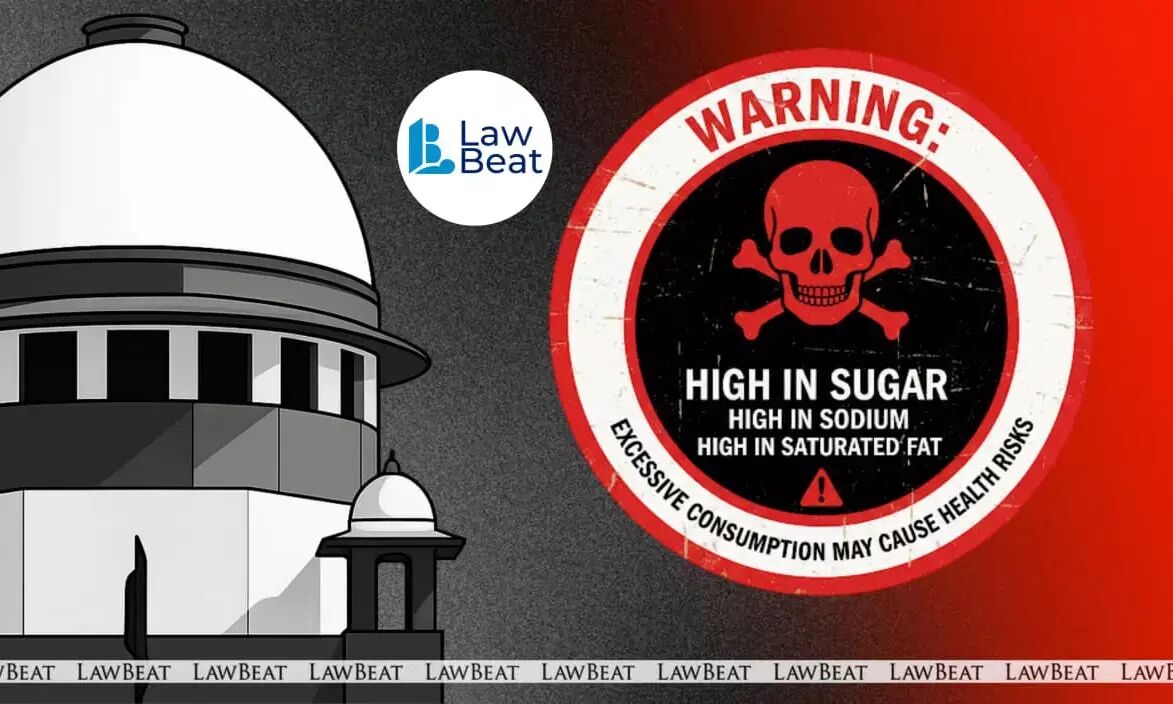
India Supreme Court: Demands Decision on FSSAI Warning Labels
Summary
- India's Supreme Court has given the Union Government two weeks to finalize its decision on front-of-pack warning labels for packaged foods high in sugar, salt, and saturated fat.
- The Court expressed severe displeasure with the Food Safety and Standards Authority of India (FSSAI) and alleged "immense pressure" from corporate houses.
- Government counsel argued against the labels, citing potential negative impacts on traditional Indian foods and the Micro, Small, and Medium Enterprises (MSME) sector.
- The Bench firmly rejected these concerns, emphasizing public health, especially for children, and the consumer's right to informed choice.
- The Court warned of further directives if the government fails to comply with the strict deadline, signaling imminent FSSAI food packaging regulations India.
Supreme Court's Ultimatum on Food Labels
The Court forcefully questioned the government's reluctance, asking, “Why? You don't want people of this country to remain healthy? More particularly growing children?”
India's Supreme Court has issued a strict two-week deadline to the Union Government, demanding a final decision on the implementation of front-of-pack warning labels for packaged food products. These labels are specifically intended for items identified as high in sugar, salt, and saturated fat. The directive, delivered by a Bench comprising Justices JB Pardiwala and K Vinod Chandran, comes with a stern warning that the Court will issue further directions if the government fails to comply within the stipulated period.
This recent order follows earlier instructions from the Court, which had directed the Food Safety and Standards Authority of India (FSSAI) to explore the introduction of such warning labels. The primary objective behind these proposed FSSAI front-of-pack nutrition labels is to enhance consumer awareness, particularly among children, regarding the potential nutritional risks associated with consuming these packaged foods. The Court's consistent focus has been on ensuring greater transparency in food labeling to protect public health.
Judicial Scrutiny and Industry Concerns
During the latest hearing, the Bench expressed significant displeasure after the petitioner's counsel presented minutes from an FSSAI meeting held on March 7. These minutes allegedly indicated a position taken by the food regulator that contradicted the Court's previous directives. Addressing Additional Solicitor General (ASG) Brijender Chahar, who represented the Union Government, the Court sharply questioned the government's approach, remarking, “Are you taking the court for a toss? Or else we will give you a toss like anything.” The Bench further alleged that authorities were under “immense pressure” from corporate houses, asking, “Why are you not abiding by our order? What have you done so far?”
ASG Chahar presented the government's concerns, arguing that applying warning labels based on international standards could result in numerous traditional Indian food products, such as namkeen and eggs, carrying a red warning symbol. He cited that while the permissible daily fat limit is 10 grams, two eggs alone could contain approximately 11 grams of fat. Chahar contended that nutritional standards suitable for developed countries, where diets might contain less sugar and fat, might not be appropriately applied to traditional Indian foods. He also highlighted the economic impact, noting that around one-third of the revenue for Micro, Small, and Medium Enterprises (MSMEs) is derived from traditional foods, suggesting that imposing such India food safety warning labels could significantly affect the sector.
Prioritizing Public Health Over Business Interests
The Supreme Court, however, firmly rejected the government's arguments, questioning the rationale behind resisting greater nutritional disclosure. The Court forcefully questioned the government's reluctance, asking, “Why? You don't want people of this country to remain healthy? More particularly growing children?” The Bench acknowledged that consumers are generally aware that packaged foods contain sugar, fat, and carbohydrates, but emphasized that the true purpose of these high sugar salt fat food labels India is to foster a much higher level of public awareness regarding their health implications.
The Court observed that manufacturers might not favor warning labels if they negatively impact their business, but stressed that the ultimate decision to purchase a product remains with the consumer. The Bench reiterated its commitment to public interest, expressing particular concern for the health of children who might develop habits of consuming such products. It also dismissed any suggestion that its concern was directed against any specific food product, maintaining a focus on broader consumer health food labeling India principles.
Implications for Food Sector Regulations
In a related development, Senior Advocate Maninder Singh, representing a manufacturer, sought to participate in the proceedings. However, the Bench explicitly informed him that manufacturers would not be permitted to intervene in the matter. This stance underscores the Court's determination to prioritize public health and regulatory compliance over direct industry lobbying within the judicial process. The impending FSSAI food packaging regulations India, particularly concerning front-of-pack warnings, are now on a fast track, with significant implications for food manufacturers and MSMEs across the country.
Practical Implications
Lawyers advising food manufacturers and MSMEs in India should immediately assess the potential impact of imminent FSSAI front-of-pack warning label regulations on product compliance, packaging, and marketing strategies, given the Supreme Court's strict two-week deadline and strong stance against industry resistance. Compliance officers must prepare for new labeling standards to avoid penalties.
Source
How does this affect you?
Get an AI analysis of this article grounded in your jurisdictions, practice areas, and any policy documents you've uploaded to Wansom.
Wansom is AI and can make mistakes.