
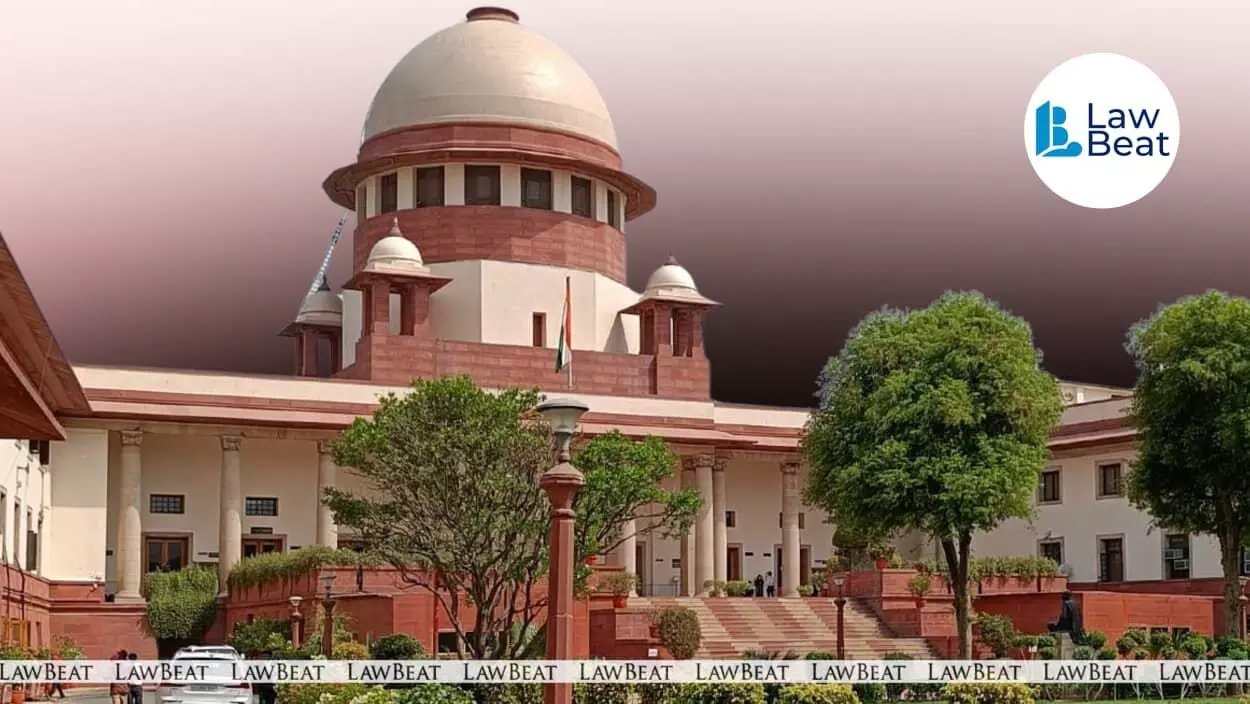
India SC: Eviction for Bona Fide Need Upheld Despite 40-Year Delay
Summary
- The Supreme Court of India ruled that prolonged eviction litigation cannot defeat a landlord's genuine need for their property.
- This decision restored an eviction order for Devendra Nath Mishra, whose case had been pending for nearly four decades.
- The Court cited its Ravi Khandelwal v. Taluka Stores (2023) precedent, stating that time can nullify initial technical objections.
- The landlord sought the property under the Uttar Pradesh Urban Buildings Act, 1972, to establish a medical clinic for his neurosurgeon son.
- The tenant, Ravi Bajpai, was directed to vacate the premises within 30 days and clear all outstanding dues.
What Happened
The Supreme Court of India recently intervened in a decades-long eviction dispute, ruling that the passage of time in legal proceedings cannot negate a landlord's genuine requirement for their property.
The Supreme Court of India recently intervened in a decades-long eviction dispute, ruling that the passage of time in legal proceedings cannot negate a landlord's genuine requirement for their property. This significant decision reinstated an eviction order, overturning a previous judgment by the Allahabad High Court that had favored the tenant. The case centered on Devendra Nath Mishra, who had been seeking possession of his property for nearly forty years.
Mishra acquired the property on July 10, 1984, and soon after, initiated the process to reclaim it. A statutory notice was issued to the tenant under Section 21(1)(a) of the Uttar Pradesh Urban Buildings (Regulation of Letting, Rent and Eviction) Act, 1972, requiring vacation after three years. Despite this notice and assurances provided to the prescribed authority in 1988, the tenant, Ravi Bajpai, failed to vacate the premises. Mishra's stated reason for seeking eviction was a bona fide need to establish a medical clinic for his son, a neurosurgeon.
Following the tenant's continued occupation, formal eviction proceedings commenced. The prescribed authority, after reviewing the evidence and pleadings, determined that Mishra indeed had a genuine need for the property and issued an eviction order on December 12, 2012. This decision was subsequently upheld by the appellate authority when it dismissed the tenant's appeal. However, the tenant then invoked the supervisory jurisdiction of the Allahabad High Court under Article 227 of the Constitution, which ultimately set aside the eviction order, leading to Mishra's appeal to the Supreme Court.
Legal Context and Precedent
The legal framework governing this dispute is the Uttar Pradesh Urban Buildings (Regulation of Letting, Rent and Eviction) Act, 1972, specifically Section 21, which addresses a landlord's right to seek eviction based on a bona fide requirement. This Act continues to apply to buildings constructed before a certain cut-off and to tenancies covered by it, even with the introduction of the Uttar Pradesh Regulation of Urban Premises Tenancy Act, 2021, which applies to new tenancies. The concept of "landlord genuine need property India" is central to such cases, requiring landlords to demonstrate a genuine and honest necessity for the premises, not merely a desire for higher rent or speculative purposes. This provision aims to balance tenant protection with a landlord's legitimate interests.
A crucial precedent cited by the Supreme Court in its recent ruling was its own 2023 decision in Ravi Khandelwal v. Taluka Stores. In that case, the Court had already established that when eviction litigation extends over several decades, the initial technical objections raised by a tenant might lose their relevance or force. The principle articulated was that prolonged eviction litigation India should not be permitted to defeat a landlord's legitimate and genuine need for their property, effectively prioritizing substantive justice over procedural delays that accumulate over time.
The Allahabad High Court's decision to set aside the eviction order was made under Article 227 of the Constitution, which grants High Courts supervisory jurisdiction over lower courts and tribunals. While this power allows for intervention in cases of grave injustice or procedural irregularity, the Supreme Court ultimately found that in this instance, the High Court's intervention had overlooked the overarching principle regarding the impact of prolonged litigation on a landlord's bona fide need.
Supreme Court's Ruling and Implications
The Supreme Court, comprising Justices Satish Chandra Sharma and N Kotiswar Singh, emphasized that a landlord's genuine need for a property cannot be undermined simply because eviction proceedings have spanned several decades. Justice Satish Chandra Sharma was elevated as a Judge of the Supreme Court of India on November 9, 2023. Justice N Kotiswar Singh was elevated as a Judge of the Supreme Court of India on July 18, 2024. The Court reiterated its stance from the Ravi Khandelwal v Taluka Stores precedent, stating that in cases of prolonged litigation, the passage of time can effectively "wash away" initial technical impediments that might otherwise prevent a landlord from regaining possession. This perspective underscores the judiciary's intent to prevent tenants from indefinitely holding onto properties through protracted legal battles, especially when a landlord's bona fide need is established.
The Justices specifically noted that Devendra Nath Mishra had acquired the premises in 1984 and initiated legal action in 1986, yet the tenant had continued to occupy the property for nearly four decades. This extended occupation directly prevented Mishra's son, a neurosurgeon, from establishing his medical clinic as intended. The Supreme Court India eviction ruling highlighted that the statutory scheme under Section 21 of the 1972 Act, when viewed through the lens of such prolonged delays, must not be interpreted to defeat a legitimate requirement.
Ultimately, the Supreme Court concluded that setting aside the Allahabad High Court's order and restoring the concurrent findings of the prescribed and appellate authorities would best serve the interests of justice. The Court directed Ravi Bajpai, the tenant, to vacate the premises and hand over vacant and peaceful possession to Devendra Nath Mishra within 30 days, also instructing the tenant to clear all outstanding dues. This decision provides a strong precedent for landlords facing similar prolonged eviction litigation in India.
Practical Implications
Lawyers advising landlords in India should leverage this Supreme Court ruling to argue that prolonged eviction litigation, particularly under the Uttar Pradesh Urban Buildings Act, 1972, cannot defeat a landlord's bona fide need for their property, even if initial technical objections were raised. This precedent strengthens the position of landlords seeking possession in long-pending cases by emphasizing substantive justice over procedural delays.
Source
Source: Original reporting via Live Law
How does this affect you?
Get an AI analysis of this article grounded in your jurisdictions, practice areas, and any policy documents you've uploaded to Wansom.
Wansom is AI and can make mistakes.