
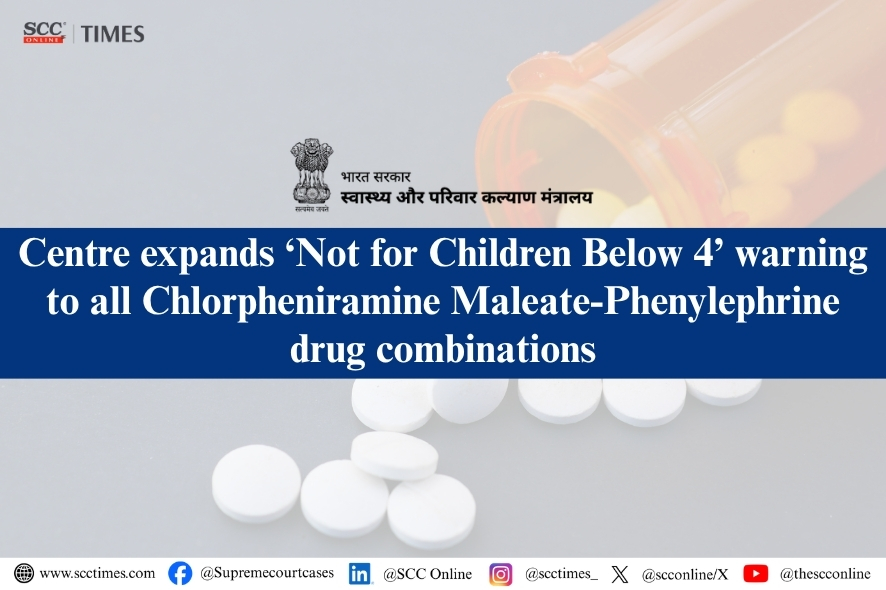
India Health Ministry: Expands Chlorpheniramine Phenylephrine FDC Warning for Children
Summary
- India's Health Ministry has expanded warning-label requirements for specific drug combinations.
- The new mandate applies to all fixed-dose combinations (FDCs) containing Chlorpheniramine Maleate and Phenylephrine Hydrochloride.
- Pharmaceutical products must now prominently display a "Not for Children Below 4" warning.
- This regulatory change aims to protect children under four years of age from potential drug-related risks.
- Companies must immediately review and update product labeling and marketing materials to ensure compliance.
Regulatory Mandate Issued
Failure to promptly implement this drug safety warning for FDC India could expose companies to substantial regulatory penalties imposed by the Health Ministry.
The Indian Health Ministry has recently implemented a significant expansion of warning-label requirements for a specific class of pharmaceutical products. This directive targets all fixed-dose combinations (FDCs) that contain the active pharmaceutical ingredients Chlorpheniramine Maleate and Phenylephrine Hydrochloride. The primary objective behind this regulatory update is to enhance the safety profile of these medications, particularly for the most vulnerable demographic: children under the age of four years.
Under the new mandate, pharmaceutical manufacturers and distributors in India are now required to prominently display a clear and unambiguous warning on the packaging and associated materials for these FDCs. The stipulated warning, "Not for Children Below 4," must be incorporated across all relevant products. This move underscores a proactive approach by the Health Ministry to mitigate potential health risks associated with the use of these drug combinations in very young children. The expanded scope ensures that no FDC containing these ingredients, regardless of its specific formulation or brand, will be exempt from this crucial safety notification.
Context of FDC Regulation in India
Fixed-dose combinations, or FDCs, are pharmaceutical preparations that combine two or more active drugs in a single dosage form. While offering potential benefits in terms of patient compliance and simplified treatment regimens, FDCs also present unique regulatory challenges, particularly concerning their safety and efficacy profiles when used across diverse patient populations. The Health Ministry's decision to broaden the warning for Chlorpheniramine Maleate-Phenylephrine FDCs reflects an ongoing commitment to stringent drug regulation in India. This specific combination of Chlorpheniramine Maleate, an antihistamine, and Phenylephrine, a decongestant, is commonly found in over-the-counter cold and flu remedies.
The regulatory body's focus on children below four years of age highlights a recognition of their distinct physiological vulnerabilities. This age group often metabolizes drugs differently from older children or adults, making them more susceptible to adverse effects, even at standard dosages. Previous regulatory actions globally and within India have often centered on ensuring appropriate labeling for pediatric populations, emphasizing the need for clear guidance on dosage and contraindications. This latest directive aligns with broader efforts to bolster pharmaceutical compliance in India, ensuring that drug safety warnings are robust and universally applied where necessary.
Implications for Pharmaceutical Compliance
The expanded "Not for Children Below 4" warning carries significant implications for pharmaceutical companies involved in the manufacturing or distribution of Chlorpheniramine Maleate-Phenylephrine FDCs across India. These entities are now faced with an immediate imperative to review and update all existing product labeling, packaging, and marketing materials to reflect the new regulatory requirement. Failure to promptly implement this drug safety warning for FDC India could expose companies to substantial regulatory penalties imposed by the Health Ministry.
Beyond direct fines or sanctions, non-compliance also elevates product liability risks. Should a child under four years suffer adverse effects from an FDC lacking the mandated warning, the manufacturer or distributor could face legal challenges, reputational damage, and significant financial repercussions. Therefore, ensuring meticulous adherence to the updated Chlorpheniramine Maleate Phenylephrine labeling India standards is not merely a matter of regulatory obligation but a critical component of risk management and ethical pharmaceutical practice. This move reinforces the government's stance on protecting public health, particularly that of young children, through comprehensive drug safety measures.
Practical Implications
Pharmaceutical companies manufacturing or distributing Chlorpheniramine Maleate-Phenylephrine FDCs in India must immediately review and update their product labeling and marketing materials to comply with the expanded 'Not for Children Below 4' warning, mitigating potential regulatory penalties and product liability risks.
Source
How does this affect you?
Get an AI analysis of this article grounded in your jurisdictions, practice areas, and any policy documents you've uploaded to Wansom.
Finish Reading the Full Story and the Expert Analysis.
Get the latest legal & regulatory intelligence in India
Wansom is AI and can make mistakes.