
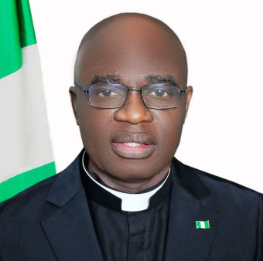
Igbo Group Demands Apology: Governor Alia Obstructed Peter Obi Visit
Summary
- The Igbo Renaissance Group condemned the reported obstruction of Nigeria Democratic Congress presidential candidate Mr. Peter Obi from visiting communities in Benue State affected by recent killings.
- The group has formally demanded a public apology from Governor Alia of Benue State regarding the alleged incident.
- The alleged obstruction raises significant constitutional questions concerning freedom of movement and political assembly in Nigeria.
- This incident highlights potential executive overreach by state governors and its implications for democratic practice and political rights.
- Legal and human rights groups may view this as a precedent for challenging actions that impede political engagement.
Alleged Obstruction and Demand for Apology
Any alleged obstruction of a political figure's ability to travel within the country and engage with constituents could be seen as a direct challenge to these enshrined liberties.
The Igbo Renaissance Group has issued a strong condemnation regarding the reported obstruction of Mr. Peter Obi, the presidential candidate for the Nigeria Democratic Congress (NDC), during an intended visit to communities in Benue State. These communities have recently been impacted by significant killings, making Mr. Obi's planned visit a matter of public interest and concern. The group specifically highlighted the alleged interference that prevented the candidate from reaching these affected areas.
Following this reported incident, the Igbo Renaissance Group has formally demanded a public apology from Governor Alia of Benue State. This demand underscores the seriousness with which the group views the alleged actions, suggesting a belief that the state's executive leadership bears responsibility for the impediment to Mr. Obi's movement and political engagement. The incident, reported by Jeff Agbodo from Abakaliki, has drawn attention to the challenges faced by political figures attempting to engage with citizens in various regions of Nigeria.
The core of the controversy revolves around the alleged prevention of a high-profile political figure from exercising his right to visit citizens, particularly in areas experiencing distress. The Igbo Group demands apology Governor Alia Obi, emphasizing the need for accountability and adherence to democratic principles. This situation brings into focus the delicate balance between state authority and the fundamental rights of individuals, including political candidates, to move freely and interact with the populace.
Constitutional Rights and Executive Authority
This incident involving Governor Alia and Peter Obi raises significant questions about constitutional law implications in Nigeria, particularly concerning the fundamental rights to freedom of movement and political assembly. The Nigerian Constitution guarantees these rights to all citizens, including political candidates like Mr. Peter Obi. Any alleged obstruction of a political figure's ability to travel within the country and engage with constituents could be seen as a direct challenge to these enshrined liberties.
The actions attributed to the Benue State government, if proven, could represent a form of executive overreach by Governor Alia. State governors possess considerable power, but their authority is circumscribed by the national constitution. Lawyers advising political entities or human rights groups would view such an incident as a potential precedent for challenging executive actions that appear to infringe upon political rights. The alleged Benue political freedom of movement restriction on a presidential candidate highlights a critical area where state power intersects with individual and political freedoms, potentially setting a concerning precedent for future political activities across Nigeria.
Such an alleged obstruction of the Nigeria Democratic Congress Peter Obi's visit could be interpreted as a form of political interference, potentially undermining the democratic process. The legal framework in Nigeria is designed to ensure a level playing field for all political actors, and any perceived attempt to hinder a candidate's legitimate activities could trigger legal challenges. This incident underscores the ongoing need for vigilance in protecting democratic spaces and ensuring that all political figures can operate without undue impediment, reinforcing the importance of the rule of law in Nigeria's political landscape.
Broader Implications for Nigerian Democracy
The demand for an apology from Governor Alia by the Igbo Renaissance Group extends beyond a mere request for contrition; it signifies a broader concern for the health of Nigeria's democratic institutions. When a prominent political figure, especially a presidential candidate, is reportedly prevented from visiting communities, it sends a troubling signal about the state of political freedom and the ability of opposition figures to engage with the electorate without hindrance. This kind of Nigeria political obstruction legal challenge could become a focal point for discussions on governance and accountability.
This event could also serve as a critical test case for the enforcement of constitutional rights against potential abuses of power by state executives. The outcome of the Igbo Renaissance Group's demand, and any subsequent actions, will be closely watched by political observers, human rights advocates, and legal professionals. It highlights the constant tension between the exercise of state power and the protection of fundamental freedoms essential for a vibrant democracy.
Ultimately, the incident involving Governor Alia and Peter Obi obstruction in Benue State underscores the importance of upholding the principles of free movement and political assembly. Ensuring that all political actors, regardless of their affiliation, can freely interact with citizens is paramount for fostering an inclusive and competitive political environment. The group's call for an apology serves as a reminder that accountability is crucial for maintaining public trust in democratic processes and for deterring future instances of alleged executive overreach.
Practical Implications
This incident underscores potential constitutional law implications concerning freedom of movement and political assembly in Nigeria, particularly regarding actions by state governors. Lawyers advising political entities or human rights groups should note this as a potential precedent for challenging executive overreach or defending political rights.
Source
How does this affect you?
Get an AI analysis of this article grounded in your jurisdictions, practice areas, and any policy documents you've uploaded to Wansom.
Finish Reading the Full Story and the Expert Analysis.
Wansom is AI and can make mistakes.