
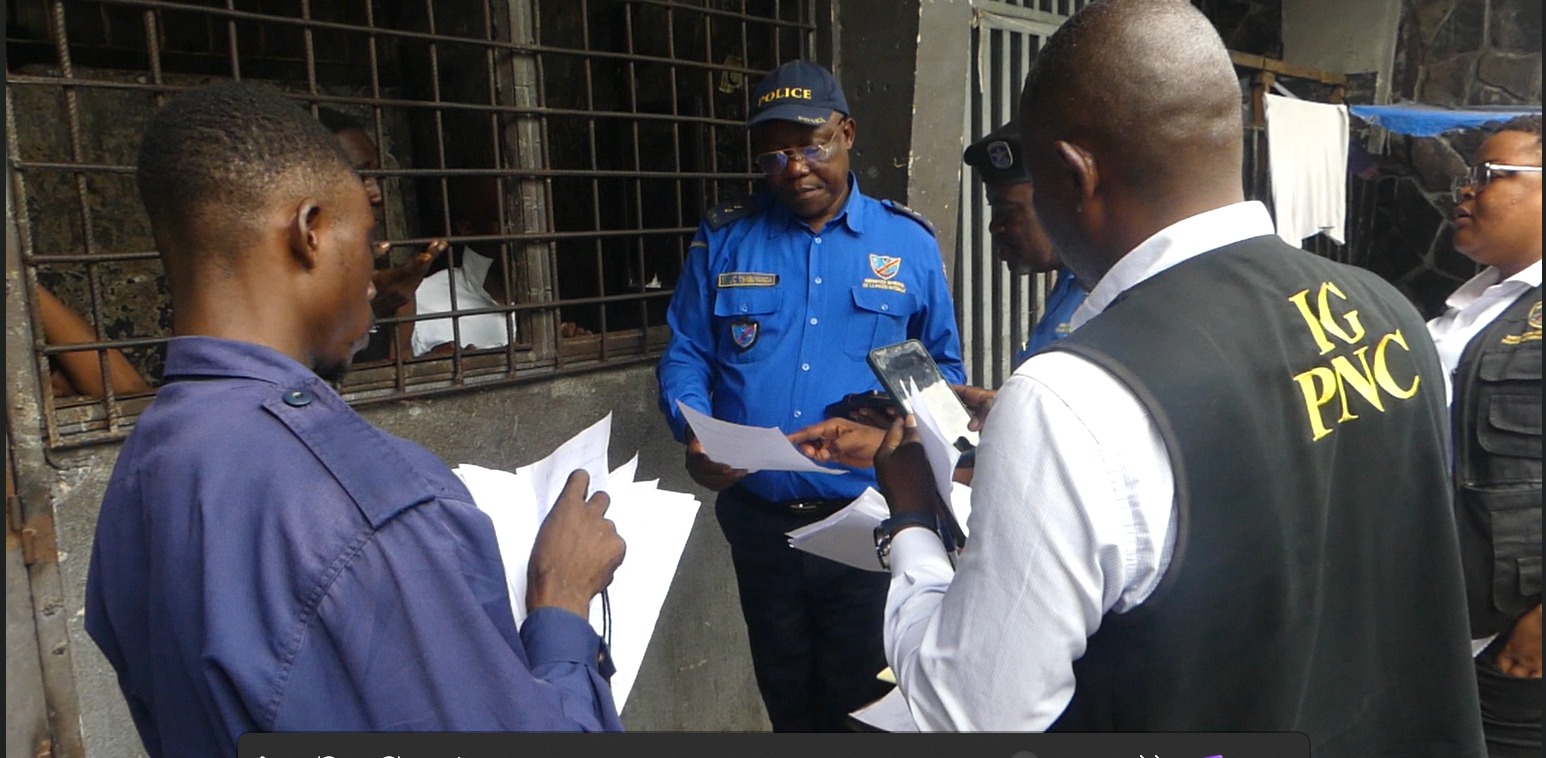
IG-PNC: Contrôle Commissariats Tshangu Nsele Kinshasa for Human Rights
Summary
- The Inspection générale de la Police nationale congolaise (IG-PNC) launched a three-day control mission on Friday, September 11.
- The mission targeted urban police stations in Kinshasa's Tshangu and Nsele districts.
- Its primary objectives include verifying respect for human rights and the protection of public liberties.
- The IG-PNC also aims to ensure the legality of all actions performed by police officers.
- This initiative was announced via an official police communiqué.
Oversight Mission Launched in Kinshasa
This proactive measure signals a commitment from the national police leadership to address potential misconduct and reinforce ethical policing standards.
The Inspection générale de la Police nationale congolaise (IG-PNC) initiated a significant oversight operation on Friday, September 11, targeting police facilities within two key urban districts of Kinshasa. This focused effort, part of a broader mandate for police accountability, saw the IG-PNC contrôle commissariats Tshangu Nsele Kinshasa, specifically focusing on the urban police stations located in these areas. The inspection was scheduled to last for a period of three days, indicating a thorough, albeit concentrated, review of local police operations.
This particular mission contrôle commissariats urbains Kinshasa represents a direct engagement by the national police's internal oversight body to ensure adherence to established protocols and legal frameworks at the grassroots level of law enforcement. The selection of Tshangu and Nsele, two populous and often complex districts, underscores the strategic importance of this initiative. The overarching goal, as communicated through an official police statement, is to scrutinize various aspects of police conduct and operational integrity within these specific precincts.
Scope and Legal Context of the Inspection
The primary objectives of this three-day inspection, as outlined in the official police communiqué, are multifaceted and deeply rooted in principles of good governance and human rights. A central focus is the verification of respect for human rights by police personnel. This involves a detailed examination of how officers interact with the public, handle detainees, and conduct their daily duties, ensuring that fundamental protections are not violated. The IG-PNC is particularly keen on assessing the adherence to these critical standards across the targeted stations, addressing concerns related to Droits humains police Kinshasa RDC.
Furthermore, the mission explicitly aims to ensure the protection of public liberties, a cornerstone of democratic policing. This aspect of the PNC vérification libertés publiques seeks to confirm that citizens' freedoms are safeguarded during police interventions and that law enforcement actions do not unduly infringe upon the rights of individuals. This includes scrutinizing procedures related to arrests, detentions, and public order maintenance. The Inspection générale Police nationale congolaise contrôle also extends its purview to the legality of acts performed by police officers, demanding that all actions taken by law enforcement agents are strictly within the bounds of national laws and regulations. This focus on the légalité actes policiers Tshangu Nsele is crucial for maintaining public trust and ensuring accountability within the force.
Why This Oversight Matters
The deployment of the IG-PNC to conduct such a targeted inspection carries significant implications for police accountability and public confidence in Kinshasa, particularly in the Tshangu and Nsele districts. This proactive measure signals a commitment from the national police leadership to address potential misconduct and reinforce ethical policing standards. The emphasis on Droits humains police Kinshasa RDC, alongside the legality of police actions, suggests a concerted effort to align local law enforcement practices with international norms and national legal requirements.
Such an intensive review, even if limited in duration, can serve as a powerful deterrent against abuses and a catalyst for improved operational procedures. For residents and legal professionals, this IG-PNC contrôle commissariats Tshangu Nsele Kinshasa offers a potential avenue for greater transparency and redress, highlighting the ongoing importance of internal oversight mechanisms within the security forces. The findings from this three-day mission are anticipated to provide valuable insights into the operational realities and challenges faced by urban police stations, potentially leading to policy adjustments and enhanced training initiatives aimed at fostering a more rights-respecting and legally compliant police force.
Practical Implications
Lawyers and compliance officers should be aware of the heightened scrutiny on police conduct in Tshangu and Nsele, Kinshasa, particularly concerning human rights and the legality of police actions. This oversight by the IG-PNC could create new precedents or avenues for challenging police procedures and advocating for clients affected by police interactions in these areas.
Source
How does this affect you?
Get an AI analysis of this article grounded in your jurisdictions, practice areas, and any policy documents you've uploaded to Wansom.
Finish Reading the Full Story and the Expert Analysis.
Get the latest legal & regulatory intelligence in DR Congo
Wansom is AI and can make mistakes.