
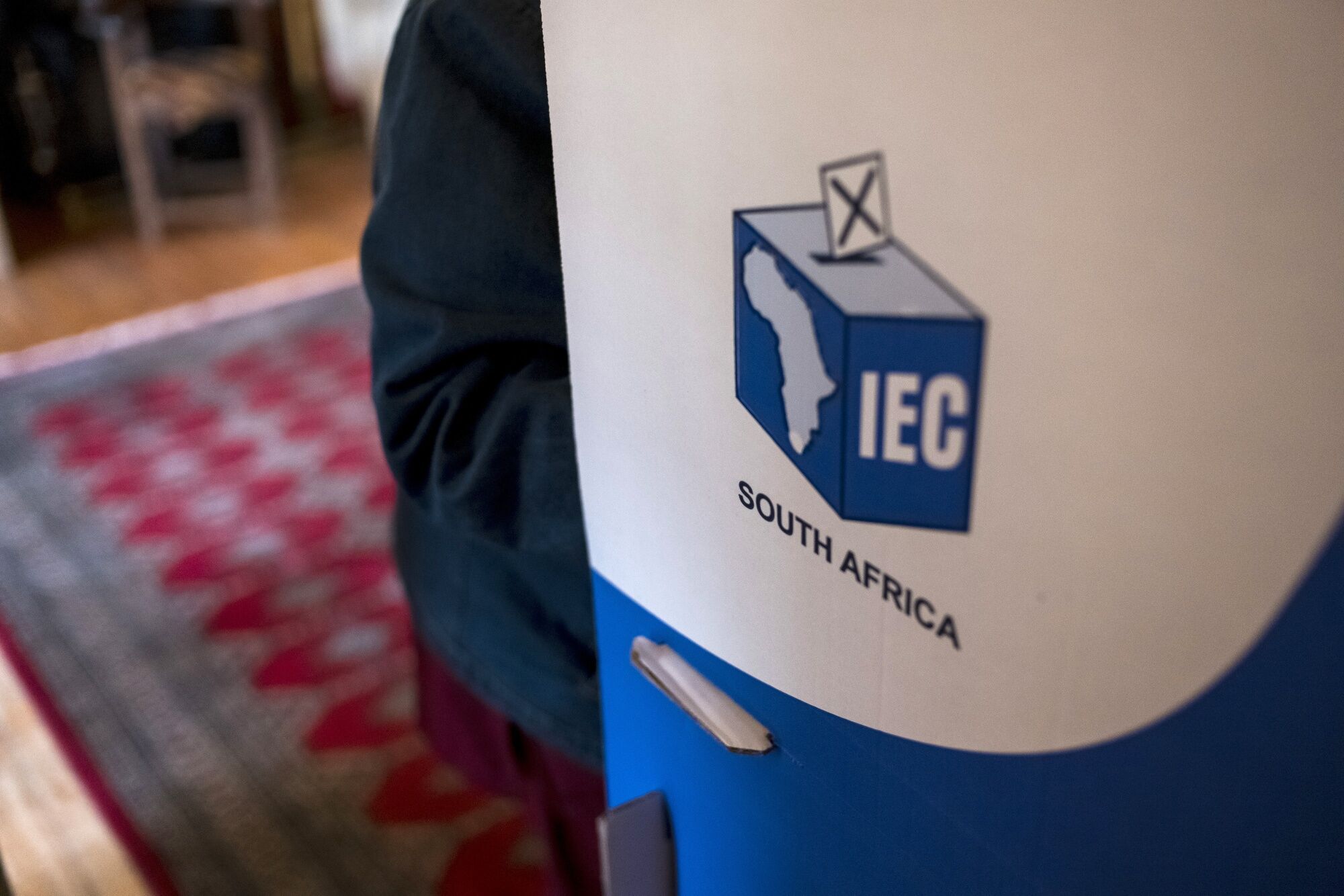
IEC South Africa: Election Challenges Stem From Court Rulings
Summary
- The recent South African general election experienced technical failures, delays, and voter frustration, though the IEC deemed it an operational success on many metrics.
- The majority of operational problems were attributed to inclement weather, which necessitated the use of military choppers for ballot delivery.
- A court ruling requiring the inclusion of additional candidates forced the IEC to reprint 33 million ballots in a few days, significantly impacting logistics.
- This last-minute ballot reprinting, not a planning failure, caused delays in distribution, particularly in Cape Town.
- The IEC aims to improve inter-departmental planning for future elections, especially concerning weather-related contingencies.
Operational Challenges During the Election
A judicial decision mandated the inclusion of additional candidates who were not initially listed on the ballot papers, necessitating a massive reprinting effort of 33 million new ballots within a compressed timeframe.
The recent South African general election, while largely deemed an operational success by the Independent Electoral Commission (IEC), was not without its significant challenges. Reports emerged detailing technical malfunctions, delays at various voting stations, insufficient equipment, and palpable voter frustration, prompting questions regarding the IEC's overall preparedness. Masego Sheburi, the deputy chief electoral officer at the IEC, acknowledged these issues, stating that while many metrics indicated success, the commission remains concerned about any citizen who experienced dissatisfaction with their service.
Quantifying the precise number of voters impacted by these disruptions proved difficult, as such figures would necessarily include individuals who had no intention of participating. Sheburi highlighted that the majority of the problems encountered stemmed from adverse weather conditions, rather than a fundamental inability to plan. An exception was noted in Cape Town during the initial day of special voting, where ballot paper distribution experienced considerable delays, with the final station receiving its materials as late as 3 PM.
Despite these localized issues, the IEC managed to mitigate some of the weather-related disruptions, particularly for the special vote, by utilizing a second day for recovery and making alternative arrangements. Crucially, the commission received assistance from the state, including military choppers, to transport personnel across flooded rivers, ensuring that citizens in remote or inaccessible areas could still exercise their right to vote. This demonstrated a reactive capacity to overcome unforeseen environmental obstacles.
The Logistical Impact of Court Rulings
A significant factor contributing to logistical complexities, distinct from planning deficiencies, was the direct consequence of South Africa election court rulings. The IEC's original timeline for ballot production and distribution was set to conclude by October 21. However, a judicial decision mandated the inclusion of additional candidates who were not initially listed on the ballot papers. This unforeseen legal intervention necessitated a massive reprinting effort, requiring the Independent Electoral Commission to produce 33 million new ballots within a compressed timeframe of just a few days.
This extensive reprinting task, directly triggered by the court's directive, profoundly impacted the commission's logistical schedule. Sheburi explicitly stated that this was the primary reason for the delays in ballot distribution, emphasizing that it was not due to a lack of planning on the IEC's part. The need to accommodate these last-minute changes underscored the vulnerability of large-scale administrative processes, such as national elections, to judicial interventions, even when robust initial planning is in place.
Enhancing Preparedness and Inter-Agency Coordination
While procurement procedures were assessed as "relatively good," the IEC identified areas for improvement, particularly concerning inter-departmental coordination. Despite being forewarned about impending severe weather conditions, the finalization of arrangements for military choppers occurred late in the process. Furthermore, an initial assessment that 44 vehicles would suffice for traversing challenging terrain proved incorrect, as these vehicles, or their drivers, were ultimately unable to manage the conditions effectively.
The experience highlighted the need for more robust contingency planning and earlier collaboration with other state departments to address predictable challenges like adverse weather. Looking ahead, Sheburi expressed optimism that the IEC is well-positioned to reverse the trend of declining voter participation, suggesting a focus on improving the overall electoral experience for citizens. The South African general election problems, particularly those stemming from external factors like court orders and weather, provide valuable lessons for future electoral management.
Practical Implications
This article highlights the significant operational and logistical impact of court rulings on large-scale administrative processes, such as elections. Lawyers advising public bodies or private entities involved in such processes should note the need for robust contingency planning and legal risk assessment to account for potential last-minute judicial interventions that can drastically alter timelines and resource allocation, as seen with the IEC's ballot reprinting.
Source
How does this affect you?
Get an AI analysis of this article grounded in your jurisdictions, practice areas, and any policy documents you've uploaded to Wansom.
Wansom is AI and can make mistakes.