
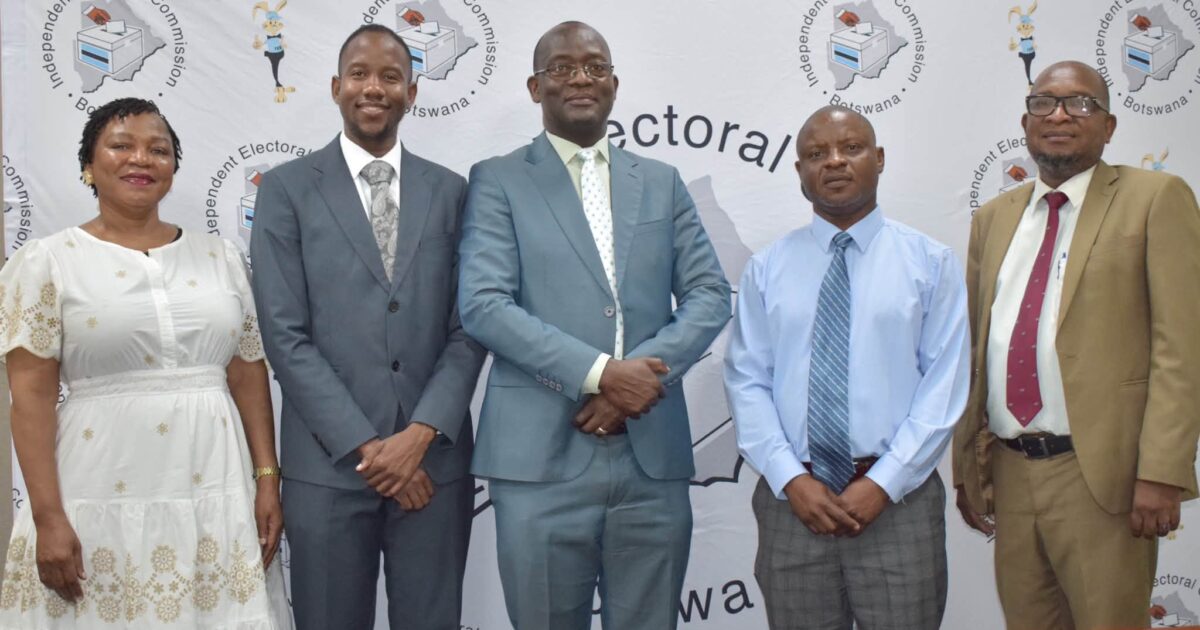
Botswana IEC: Awaits ConCourt Referendum Writ
Summary
- The Independent Electoral Commission (IEC) is awaiting a presidential writ to begin preparations for the Constitutional Court referendum.
- Parliament approved the proposed constitutional amendments over seven months ago.
- Civil society organization BOCONGO has expressed concern over the government's prolonged silence on the matter.
- The absence of the writ prevents the IEC from proceeding with the necessary arrangements for the national vote.
What Happened
The ongoing delay in the issuance of the presidential writ for the Botswana Constitutional Court referendum carries several significant implications for the nation's legal and political landscape.
The Independent Electoral Commission (IEC) in Botswana is currently unable to proceed with the necessary preparations for the anticipated Constitutional Court referendum. This critical administrative standstill is directly attributable to the absence of a presidential writ, a formal directive essential for authorizing the commencement of such a national electoral process. The IEC's operational capacity to organize the referendum is therefore entirely contingent upon receiving this official mandate from the executive.
Without this crucial authorization, the commission cannot initiate the logistical planning, resource allocation, or public awareness campaigns that would typically precede a national vote of this magnitude. The delay in issuing the writ effectively places the entire referendum process on an indefinite hold, directly impacting the timeline for its execution and the potential implementation of significant legal reforms.
Legal and Political Context
This current state of administrative limbo follows a significant legislative milestone achieved more than seven months ago. At that time, the Parliament of Botswana had already formally approved the proposed constitutional amendments that necessitate the holding of a national referendum. This parliamentary endorsement signaled a clear legislative intent to move forward with these changes, yet the subsequent executive action required to implement this decision has not materialized.
Civil Society's Concerns
The lack of discernible progress on the Constitutional Court referendum has not gone unnoticed by civil society organizations within Botswana. BOCONGO, a prominent umbrella body representing various non-governmental organizations, has publicly articulated its deep concern regarding the government's extended period of silence on this critical national issue. Their apprehension stems from the perceived lack of transparency and urgency in advancing a process that has already received parliamentary backing.
Implications of the Delay
The ongoing delay in the issuance of the presidential writ for the Botswana Constitutional Court referendum carries several significant implications for the nation's legal and political landscape. Primarily, it effectively stalls the entire process of amending the country's constitution, ensuring that the existing legal framework remains unchanged for an extended and indeterminate period. This prolonged stasis can create a perception of governmental inefficiency or a lack of commitment to legislative processes that have already garnered parliamentary support.
Furthermore, the extended wait for the Independent Electoral Commission Botswana to receive the necessary directive means that the public, as well as various sectors potentially affected by the proposed reforms, remain in a state of uncertainty regarding the future of these constitutional changes. This situation could impact long-term planning and legal interpretations, as the foundational legal document of the country awaits a crucial step towards its potential modification. The government's silence on the referendum, therefore, has broader ramifications beyond just the electoral commission's immediate operational challenges.
Practical Implications
Lawyers and compliance officers in Botswana should monitor the status of the presidential writ for the Constitutional Court referendum, as its delay impacts the timeline for proposed constitutional amendments. This could affect the legal framework governing various sectors and require adjustments to compliance strategies or legal advice based on the current, unamended constitutional provisions.
Source
How does this affect you?
Get an AI analysis of this article grounded in your jurisdictions, practice areas, and any policy documents you've uploaded to Wansom.
Wansom is AI and can make mistakes.