
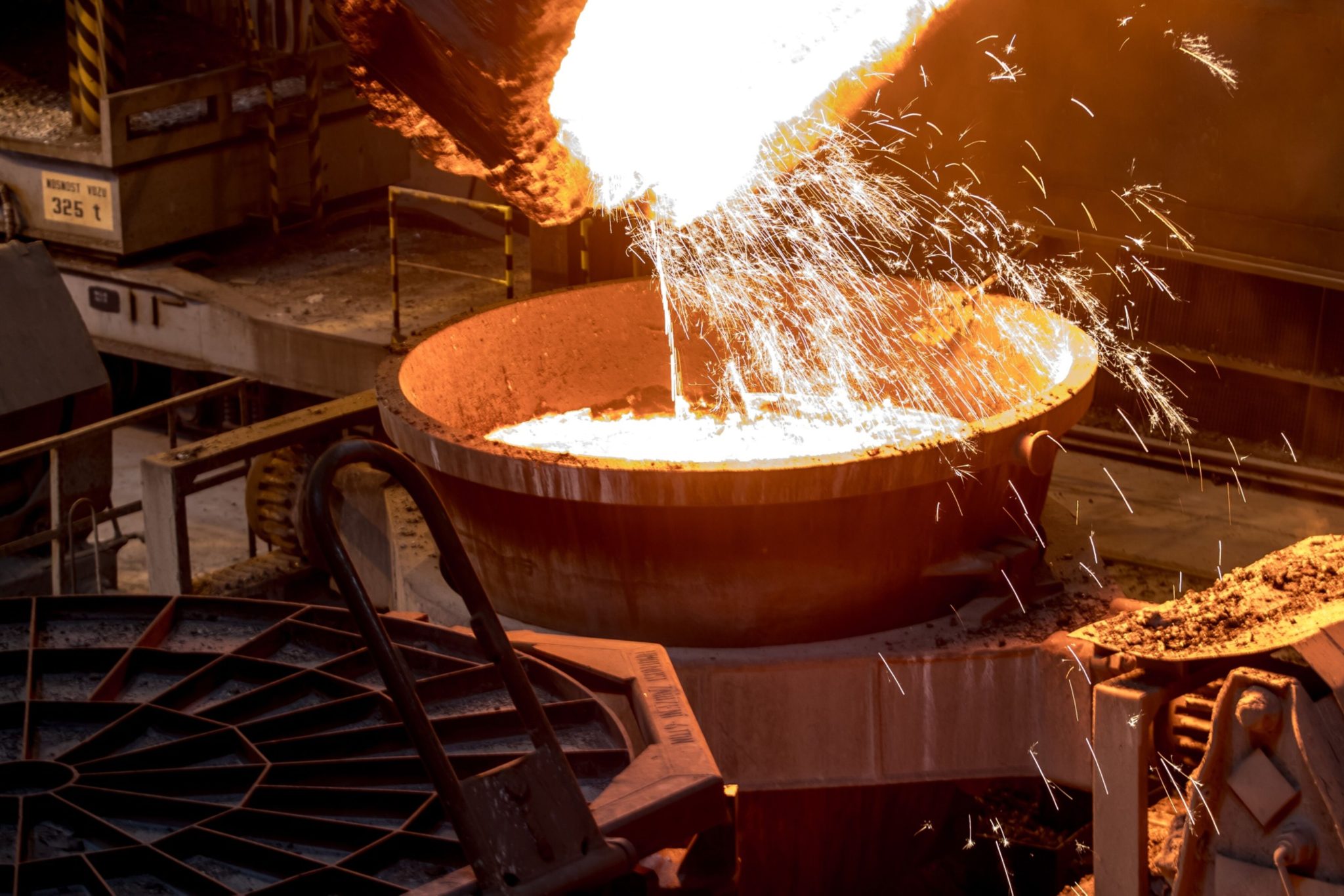
IDC: ArcelorMittal SA Acquisition Fears Mount in South Africa
Summary
- The Industrial Development Corporation is reportedly nearing a R10 billion deal to acquire ArcelorMittal SA, involving R3 billion cash and R7 billion debt assumption.
- Industry experts warn that IDC ownership could transform Amsa into another state-owned entity, potentially leading to increased protectionist duties and negative consequences for consumers.
- Amsa has faced significant financial distress, accumulating over R10 billion in headline losses in the last three years and experiencing rising debt.
- Downstream steel manufacturers fear the acquisition will result in higher tariffs, which legal experts suggest could be challenged in court if implemented without proper investigation.
- Government policy is viewed as contradictory, having previously invested in mini mills that compete with Amsa while now pursuing control of the steel giant.
Proposed Acquisition and Industry Concerns
If further import protection is introduced without proper investigation, it poses a significant legal problem and would likely face challenges in court.
The Industrial Development Corporation (IDC) is reportedly advancing a significant R10 billion offer to acquire ArcelorMittal SA (Amsa), South Africa's primary steel producer. This proposed deal, which involves R3 billion in cash from the IDC and the assumption of approximately R7 billion of Amsa's existing debt, has been confirmed by Amsa's latest SENS announcement as being in advanced stages, contingent on various pre-conditions and approvals.
However, this potential acquisition has sparked considerable concern within the industry. Gerhard Papenfus, CEO of the National Employers Association of SA (Neasa), has voiced strong reservations, warning that under IDC ownership, Amsa risks becoming another state-owned entity (SOE) heavily reliant on government support. Papenfus expressed skepticism about the IDC's ability to revitalize a company that has been consistently unprofitable and uncompetitive, predicting severe repercussions for both the broader steel industry and end consumers, including the likely imposition of additional protectionist duties.
Financial Challenges and Policy Interventions
Amsa's financial health has been precarious, with the company reporting over R10 billion in headline losses across its last three financial years. This trend continued into the first half of 2026, where it recorded a further R1.25 billion loss. The steelmaker's net debt has also escalated, climbing from R6.76 billion in December 2025 to R7.94 billion by June 2026.
The company's struggles are attributed to a combination of factors, including subdued domestic demand, high electricity costs, an influx of cheap imports, and intense competition from scrap-based mini mills. In response to these challenges, Amsa has actively lobbied for and successfully secured increased trade protection, which includes import and anti-dumping duties, as well as a safeguard duty on certain hot-rolled steel products. Further tariff increases were announced in May 2026, setting duties on selected steel products at rates ranging from 10% to 30%. Despite these measures, downstream steel manufacturers harbor significant IDC ArcelorMittal SA acquisition fears, anticipating that the IDC's investment will lead to even more protective measures, ultimately burdening local consumers with higher costs.
Legal and Economic Implications
The prospect of further trade protection for Amsa raises significant legal questions. Donald Mackay, CEO of XA Global Trade Advisors, cautioned that any move by the government to impose tougher import restrictions without a thorough investigation would constitute a substantial legal problem and would almost certainly face challenges in court. He suggested that such proposals might currently be more rumor than reality.
Economically, South Africa's steel production is marginal on a global scale, accounting for only 0.24% of worldwide crude steel output, according to the World Steel Association. Despite this, many government figures view Amsa's decision to mothball two steel mills in Saldanha and Newcastle, alongside parts of its Vereeniging operations, as an unacceptable threshold. Parliamentary committee chairs have called for urgent intervention to safeguard South Africa's steelmaking capacity, warning that Amsa's collapse would severely impact critical sectors such as mining, infrastructure, and automotive manufacturing. In June, Mzwandile Masina, chair of the trade and industry committee, specifically advocated for government support and industry investment to preserve the broader steel sector. However, the economic cost of saving Amsa is substantial, particularly when considering that Amsa employs approximately 4,300 staff, while the downstream structural and fabricated steel sector supports over 100,000 jobs. Papenfus noted that 900 downstream steel companies have closed in the past year, resulting in thousands of layoffs.
Conflicting Government Strategies
Critics argue that the government's approach to the South Africa steel industry SOE model and its broader steel policy has been inconsistent. Mark Fine, chair of the Scrap Recycling Coalition, which represents 48 scrap metal dealers, described government policy as 'schizophrenic.' He pointed out that the government has invested billions in scrap-based mini mills, effectively creating direct competitors to Amsa.
Now, with the state-owned Industrial Development Corporation poised to take control of Amsa, a clear conflict of interest emerges regarding future policy direction. This raises questions about whether the government will prioritize the interests of Amsa or those of the mini mills it previously supported, further complicating the landscape for the ArcelorMittal SA state ownership and the entire steel value chain.
Practical Implications
Lawyers representing downstream steel manufacturers or importers should advise clients to monitor potential new import duties or trade protection measures for steel products in South Africa, as these may be subject to legal challenge if implemented without proper investigation or due process. Compliance officers should assess the competition law implications of the IDC's increased control over a major industry player and potential conflicts of interest in government policy.
Source
How does this affect you?
Get an AI analysis of this article grounded in your jurisdictions, practice areas, and any policy documents you've uploaded to Wansom.
Finish Reading the Full Story and the Expert Analysis.
Get the latest legal & regulatory intelligence in South Africa
Wansom is AI and can make mistakes.