
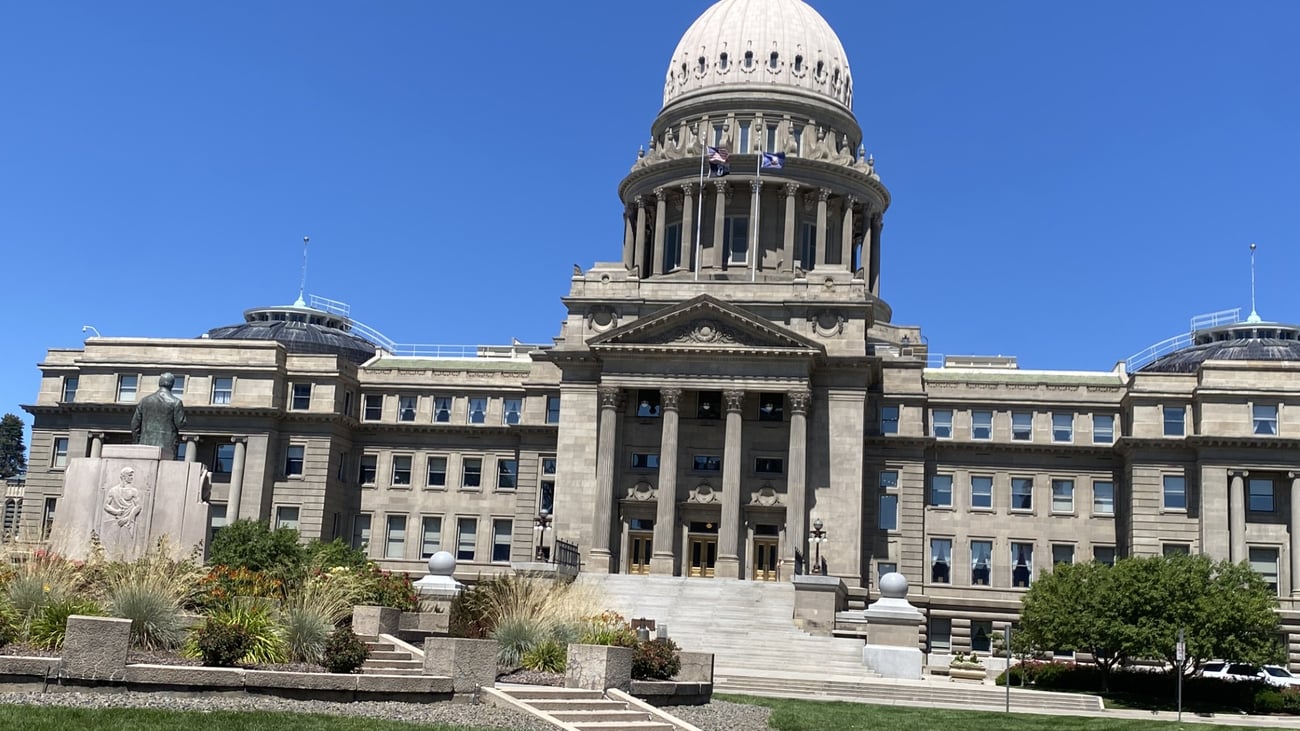
Idaho Supreme Court: Abortion Ballot Language Challenge Heard
Summary
- The Idaho Supreme Court heard arguments regarding the official ballot language for Proposition One, also known as the Reproductive Freedom and Privacy Act Idaho, ahead of the November election.
- Advocates from Idahoans United for Women and Families challenged the wording prepared by Idaho Secretary of State Phil McGrane and Attorney General Raul Labrador, alleging it mischaracterizes the initiative and omits crucial details.
- Proposition One seeks to establish abortion rights before fetal viability and in medical emergencies, and protect private healthcare consultations.
- Plaintiffs argued the state's proposed 'no' statement inaccurately describes exceptions to current abortion law and fails to mention criminal penalties for providers.
- Justices questioned the sufficiency of a purely binary 'yes' or 'no' statement, while the state emphasized its duty to explain the impact of a vote to the electorate.
Idaho Supreme Court Hears Ballot Language Challenge
The Idaho Supreme Court's decision will establish an important precedent for future ballot measures, particularly those addressing contentious issues like reproductive rights.
The Idaho Supreme Court recently convened to address a significant challenge concerning the official ballot language for Proposition One, an initiative slated for the upcoming November election. This legal dispute pits reproductive health advocates, specifically Idahoans United for Women and Families, against state officials Idaho Secretary of State Phil McGrane and Attorney General Raul Labrador. The core of the contention revolves around the wording prepared by McGrane and Labrador, which is intended to explain the impact of a 'yes' or 'no' vote on the ballot.
Proposition One, formally known as the Reproductive Freedom and Privacy Act Idaho, aims to establish the right to abortion prior to fetal viability and in situations involving medical emergencies. Furthermore, it seeks to safeguard the right of individuals to consult privately with healthcare providers regarding reproductive healthcare decisions. Idahoans United for Women and Families characterizes the measure as designed to "safeguard fundamental rights relating to reproductive healthcare and personal medical decision-making."
Under Idaho law, the Secretary of State and Attorney General are jointly responsible for crafting a clear and concise statement detailing the effect of a 'yes' or 'no' vote on any ballot initiative. However, Jennifer Aiko, an attorney with Holland & Hart representing the advocacy group, argued before the court that the proposed statements fail to meet these statutory requirements, asserting they are neither clear nor concise. The official language drafted by the state indicates that a 'yes' vote would "create reproductive rights, including a right to abortion before a fetus’ ability to survive and after a fetus’ ability to survive in cases of medical emergency, and provide liability protections for healthcare providers."
Conversely, the state's official 'no' statement asserts that such a vote would "make no change to Idaho’s current law, which protects the life of the unborn while allowing abortion in reported cases of rape or incest, or when necessary to protect the life of the mother." This specific wording has drawn sharp criticism from the plaintiffs, who contend it mischaracterizes existing law and omits crucial information, thereby potentially misleading voters on the true implications of their choice regarding the Idaho abortion initiative wording.
Arguments Against Official Wording
The plaintiffs presented several key arguments challenging the accuracy and completeness of the state's proposed ballot language. A primary concern raised was the omission of critical information regarding the current legal landscape for abortion in Idaho. They highlighted that Idaho's existing abortion law imposes criminal prohibition, carrying penalties that include imprisonment and the suspension or revocation of a medical provider’s license, details conspicuously absent from the official statements.
Furthermore, the advocacy group specifically contested the 'no' statement's phrasing concerning exceptions to the current law. They argued that the statement's reference to an exception to "protect the life of the mother" inaccurately portrays the legal provision. Instead, they asserted that Idaho law only provides an exception when it is necessary to prevent the death of the pregnant woman, drawing a distinction between "protecting the life" and "preventing the death" that they deemed significant.
In light of these perceived deficiencies, the plaintiffs proposed a more straightforward, binary set of statements for the Idaho abortion initiative wording. Their desired language would simply state: "A YES vote means Proposition One will become state law" and "a NO vote means state law regarding abortion will remain unchanged." This alternative aims to remove any characterization from the yes/no statements, focusing solely on the legislative outcome of the vote.
Judicial Scrutiny and State's Defense
During the proceedings, the Idaho Supreme Court justices engaged with both sides, probing the statutory requirements for ballot language. Justice Gregory Moeller questioned the utility of a purely binary statement, remarking, "What is the purpose of the short statement if all it says is a vote yes means it passes and a vote no means it fails? It seems to me just a waste of time." This line of questioning suggested a judicial expectation for more substantive information within the effect statements.
Justice Colleen Zahn further elaborated on this perspective, suggesting that the ballot statement should prioritize explaining the actual effect of a vote rather than merely indicating support or opposition for a proposition. This judicial inquiry underscores the legal standards applied to ballot initiative language in Idaho, emphasizing the need for voters to understand the consequences of their decision.
In response to the justices' concerns and the state's arguments, the plaintiffs defended their proposed binary language by explaining that the yes/no statement is not the sole source of voter information. They argued that it functions in conjunction with the short and long ballot titles, as well as the funding source statement, which collectively provide comprehensive information to the voter. Jennifer Aiko articulated this, stating that if a voter reviews the ballot title and decides their stance, the binary yes/no statement would then serve to "confirm that they were voting the way that they intended to." However, Yvonne Dunbar, representing the Idaho Attorney General’s office, countered that the state has a fundamental duty to explain the impact of a vote to its citizens, asserting that the petitioner's proposed language would reduce the effect statements to little more than a simple affirmation or rejection of the proposition.
Implications for Idaho Ballot Initiatives
This Idaho ballot initiative challenge before the state's highest court provides crucial insight into the legal standards governing the clarity and neutrality of voter information. The Idaho Supreme Court's decision will establish an important precedent for future ballot measures, particularly those addressing contentious issues like reproductive rights. The court's deliberations highlight the delicate balance between providing concise information and ensuring voters are fully informed about the legal ramifications of their choices.
The outcome of this case will significantly influence how future ballot initiatives, including any subsequent efforts related to the Reproductive Freedom and Privacy Act Idaho, are presented to the electorate. It underscores the rigorous judicial scrutiny applied to the wording drafted by state officials like Idaho Secretary of State Phil McGrane and Idaho Attorney General Raul Labrador, ensuring that the language accurately reflects the proposed changes to state law without bias or omission. This ruling will be a key reference point for advocates and legal professionals involved in drafting or challenging ballot language across Idaho.
Practical Implications
This case provides insight into the legal standards and judicial scrutiny applied to ballot initiative language in Idaho, which could influence future challenges or drafting efforts for proposed legislation presented directly to voters. Lawyers involved in public policy, election law, or advocacy for ballot initiatives should monitor the Idaho Supreme Court's decision for precedent on clarity and neutrality requirements.
Source
How does this affect you?
Get an AI analysis of this article grounded in your jurisdictions, practice areas, and any policy documents you've uploaded to Wansom.
Finish Reading the Full Story and the Expert Analysis.
Wansom is AI and can make mistakes.