
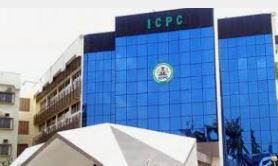
ICPC Pledges: Publish Recovered Assets Owners for Transparency
Summary
- The Independent Corrupt Practices Commission (ICPC) has committed to publishing details of recovered assets.
- The ICPC will also disclose the identities of the original owners of these assets.
- This initiative supports broader African efforts to track and recover wealth stolen through corruption and hidden abroad.
- The commitment aims to ensure recovered funds are properly managed and utilized for public benefit.
- Increased transparency is expected to impact due diligence and compliance for legal and business professionals.
ICPC's Commitment to Transparency
The Independent Corrupt Practices Commission's pledge to ICPC publish recovered assets owners marks a pivotal moment for transparency in Nigeria's anti-corruption efforts.
The Independent Corrupt Practices Commission (ICPC) has recently made a significant declaration regarding its anti-corruption efforts, pledging to enhance transparency by publicly disclosing details of assets recovered through its operations. This commitment extends beyond merely announcing recovery figures; the commission has also vowed to identify and publish the names of the original owners from whom these illicit assets were seized. This move represents a critical step in Nigeria's ongoing battle against corruption, aiming to foster greater accountability and public trust in the process of asset recovery.
This initiative by the ICPC to **ICPC publish recovered assets owners** signifies a shift towards a more open and verifiable approach to combating financial malfeasance. By making this information accessible to the public, the commission seeks to demystify the asset recovery process, allowing for greater scrutiny and understanding of how stolen wealth is identified, retrieved, and managed. Such a proactive stance is designed to reinforce the integrity of anti-corruption institutions and demonstrate a tangible commitment to transparency.
Broader African Anti-Corruption Context
The ICPC's pledge aligns with a wider continental push among African nations to strengthen their collective capacity in tracking and recovering wealth illicitly obtained through corruption. This stolen capital is frequently concealed in foreign jurisdictions, posing a complex challenge that necessitates robust international cooperation and information sharing. Countries across Africa are increasingly seeking more effective mechanisms to trace these hidden assets and facilitate their repatriation, recognizing that such funds are vital resources for national development.
Beyond the recovery itself, a central tenet of this regional anti-corruption drive, and a key focus for the ICPC, is ensuring the judicious management and utilization of these repatriated resources. The goal is to guarantee that recovered funds are not only returned but are also channeled effectively towards public benefit initiatives, thereby directly contributing to the welfare and development of the citizenry. This emphasis on proper management and public utility underscores the ultimate purpose of **stolen wealth recovery Nigeria** efforts.
Implications for Accountability and Compliance
The Independent Corrupt Practices Commission's pledge to **ICPC publish recovered assets owners** marks a pivotal moment for transparency in Nigeria's anti-corruption efforts. This comprehensive **ICPC asset recovery disclosure** will provide unprecedented insight into the outcomes of investigations, moving beyond mere recovery figures to identify the individuals or entities from whom these illicit gains were seized. Such a proactive **Nigeria anti-corruption asset publication** is designed to foster greater public trust and accountability, allowing citizens to monitor the progress of **stolen wealth recovery Nigeria** initiatives and understand how these resources are being reintegrated into the national economy for collective benefit.
For legal professionals and compliance officers, this development signals a heightened need for vigilance. The increased **ICPC recovered funds transparency** means that individuals and organizations previously implicated in corruption, or those associated with them, will face greater public and regulatory scrutiny. This necessitates a re-evaluation of due diligence processes, particularly concerning transactions or partnerships involving entities linked to past asset recovery efforts. Proactive risk assessments and robust compliance frameworks will be essential to navigate this evolving landscape, as the public disclosure of asset owners could trigger further investigations or reputational challenges.
Practical Implications
Lawyers and compliance officers should advise clients on the increased transparency regarding recovered assets in Nigeria. This development may impact due diligence processes, asset tracing efforts, and public scrutiny of individuals or entities linked to corruption investigations, requiring proactive compliance measures and risk assessments.
Source
How does this affect you?
Get an AI analysis of this article grounded in your jurisdictions, practice areas, and any policy documents you've uploaded to Wansom.
Finish Reading the Full Story and the Expert Analysis.
Get the latest legal & regulatory intelligence in Nigeria
Wansom is AI and can make mistakes.