
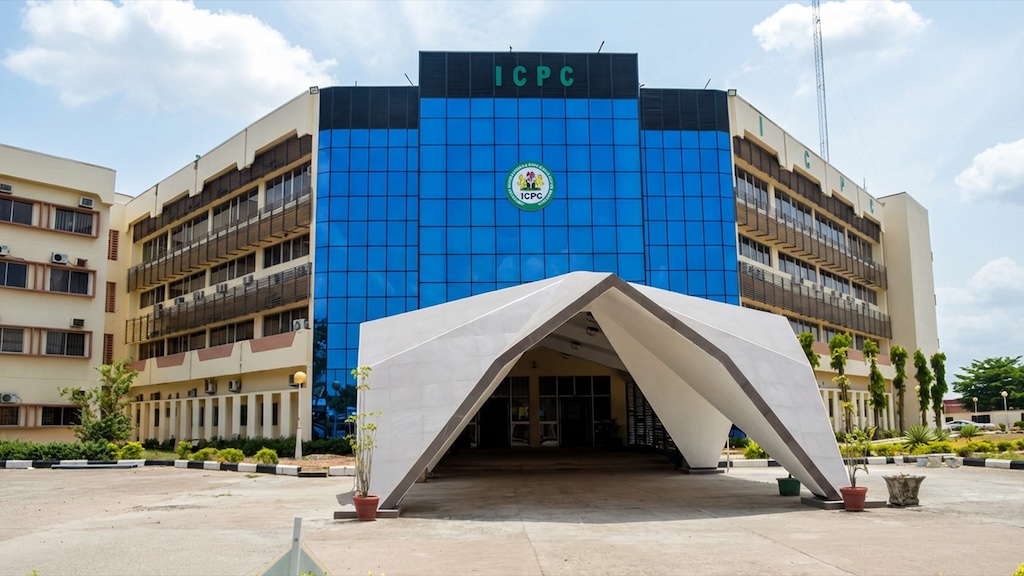
ICPC: Ranks Second in Nigeria Transparency Ranking
Summary
- The Independent Corrupt Practices and Other Related Offences Commission (ICPC) was ranked second among 518 federal institutions in Nigeria.
- This assessment of `Nigeria public institutions transparency` was conducted nationwide by the Centre for Fiscal Transparency and Public Integrity (CeFTPI).
- The high `ICPC Nigeria transparency ranking` indicates increased integrity and accountability within the anti-corruption agency.
- Legal professionals should anticipate stricter scrutiny and adherence to due process when interacting with the ICPC.
- The `CeFTPI Nigeria report` highlights a broader commitment to public sector transparency, impacting compliance standards for businesses.
ICPC Achieves High Transparency Ranking
This high ICPC Nigeria transparency ranking suggests increased integrity and accountability within a key anti-corruption agency.
The Independent Corrupt Practices and Other Related Offences Commission (ICPC) has been recognized as one of Nigeria's most transparent public institutions, securing the second position in a recent nationwide assessment. This significant `ICPC Nigeria transparency ranking` highlights the agency's commitment to open governance and accountability within the federal landscape.
The evaluation, conducted by the `Centre for Fiscal Transparency and Public Integrity` (CeFTPI), encompassed a comprehensive review of 518 federal institutions across the country. The ICPC's strong performance places it at the forefront of `Nigeria public institutions transparency` efforts, underscoring its dedication to upholding ethical standards in its operations. This achievement reflects positively on the commission's internal processes and its broader role in combating corruption.
Context of the Assessment
The assessment by the `Centre for Fiscal Transparency and Public Integrity` (CeFTPI) provides a critical benchmark for evaluating the openness and integrity of government bodies. By scrutinizing a vast array of federal institutions, the CeFTPI aims to foster greater accountability and public trust in governance. The methodology employed in the `CeFTPI Nigeria report` contributes to a clearer understanding of where various agencies stand in terms of transparency.
This extensive review, which covered 518 federal institutions nationwide, offers a broad perspective on the state of `Nigeria public institutions transparency`. For an anti-corruption agency like the ICPC to rank so highly, it suggests a robust internal framework that aligns with its external mandate. Such assessments are vital for driving improvements and ensuring that public bodies operate with the highest degree of probity.
Legal and Regulatory Implications
This high `ICPC Nigeria transparency ranking` suggests increased integrity and accountability within a key anti-corruption agency. For legal practitioners, this development signals that interactions with the ICPC may be subject to stricter scrutiny and adherence to due process. The commission's demonstrated commitment to transparency implies a reduced tolerance for procedural shortcuts or non-compliance, reinforcing the need for meticulous preparation and ethical conduct when engaging with the body.
Compliance officers, in particular, should note this as an indicator of Nigeria's broader commitment to public sector transparency. The `ICPC anti-corruption efforts` are evidently supported by its own internal adherence to transparent practices, which sets a precedent for other federal institutions. This environment necessitates a heightened focus on corporate governance and regulatory compliance for entities operating within Nigeria, as the standard for public sector integrity appears to be rising.
Broader Significance for Governance
The ICPC's strong showing in the `ICPC Nigeria transparency ranking` is not merely an accolade for one institution but a significant indicator for the entire framework of `Nigeria public institutions transparency`. It demonstrates that concerted efforts towards openness can yield tangible results, potentially inspiring other federal agencies to enhance their own transparency protocols. This positive development can contribute to rebuilding public confidence in government institutions and their capacity to serve the national interest without compromise.
Furthermore, a transparent anti-corruption body like the ICPC strengthens the overall fight against graft. When the agency tasked with upholding integrity itself operates with high transparency, it lends greater credibility and effectiveness to its `ICPC anti-corruption efforts`. This can have a ripple effect, encouraging a culture of accountability across the public sector and potentially attracting more foreign investment by signaling a more predictable and less corrupt business environment.
Practical Implications
This high transparency ranking for the ICPC suggests increased integrity and accountability within a key anti-corruption agency. Lawyers should advise clients that interactions with the ICPC may be subject to stricter scrutiny and adherence to due process, while compliance officers should note this as an indicator of Nigeria's broader commitment to public sector transparency.
Source
How does this affect you?
Get an AI analysis of this article grounded in your jurisdictions, practice areas, and any policy documents you've uploaded to Wansom.
Finish Reading the Full Story and the Expert Analysis.
Get the latest legal & regulatory intelligence in Nigeria
Wansom is AI and can make mistakes.