
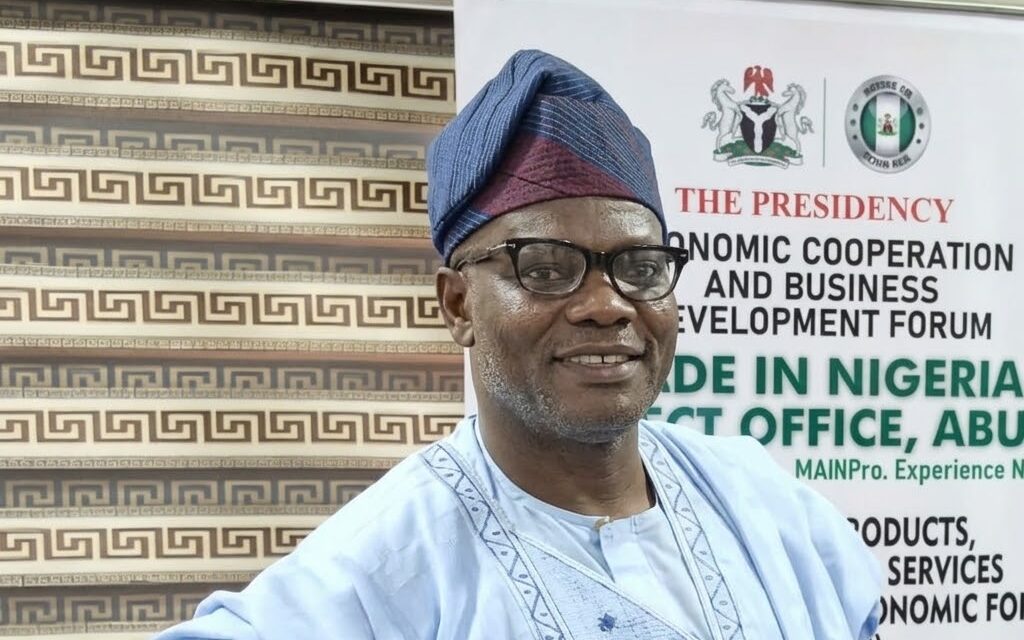
Nwabueze Made-in-Nigeria Project Office ICPC: Defends Legitimacy With OSGF Documents
Summary
- George Nwabueze defended the National Brands Development and Made-in-Nigeria Special Project Office after the ICPC accused him of promoting a fake federal agency, leading to President Bola Tinubu's order for his arrest and the suspension of three permanent secretaries.
- Nwabueze posted documents he claimed demonstrated the office's links to the Office of the Secretary to the Government of the Federation (OSGF).
- The Independent Corrupt Practices and Other Related Offences Commission (ICPC) had alleged that the Made-in-Nigeria Project Office lacked official recognition.
- This dispute highlights the importance of verifying the legitimacy of entities claiming government affiliation in Nigeria.
Dispute Over Made-in-Nigeria Project Office Legitimacy
This development underscores the critical importance of conducting thorough due diligence on entities claiming government affiliation in Nigeria.
A public dispute has emerged concerning the official status of the National Brands Development and Made-in-Nigeria Special Project Office, following accusations from Nigeria's Independent Corrupt Practices and Other Related Offences Commission (ICPC). George Nwabueze, a key figure associated with the initiative, has publicly refuted claims that the office operates as a fake federal agency, a stance that has led to President Bola Tinubu ordering his arrest and the suspension of three permanent secretaries.
This development saw Nwabueze directly addressing the allegations made by the anti-corruption body. The ICPC had specifically accused him of actively promoting an entity that it deemed to be an unrecognised governmental body. In response, Nwabueze took steps to defend the Made-in-Nigeria Project Office, aiming to establish its legitimate standing amidst the controversy.
Nwabueze Presents OSGF Documents in Defense
In a direct challenge to the ICPC's assertion, George Nwabueze presented documentation which he stated provided evidence of the Made-in-Nigeria Project Office's connections to the Office of the Secretary to the Government of the Federation (OSGF). These documents were posted publicly as part of his defense against the anti-graft agency's claims.
The ICPC's accusation centered on the premise that the Made-in-Nigeria Project Office lacked official federal recognition, thereby categorizing it as a fictitious entity. Nwabueze's decision to release what he described as OSGF documents was a clear attempt to counter this narrative and affirm the operational legitimacy of the Made-in-Nigeria Project Office, suggesting a formal link to a high-level government administrative body.
ICPC's Role in Nigerian Anti-Corruption Compliance
The Independent Corrupt Practices and Other Related Offences Commission (ICPC) plays a crucial role in upholding Nigerian anti-corruption compliance by investigating and prosecuting corruption-related offenses. Its mandate extends to scrutinizing entities that claim government affiliation, ensuring they operate within legal and established frameworks. The commission's intervention in the matter of the Nwabueze Made-in-Nigeria Project Office ICPC dispute highlights its commitment to preventing the proliferation of unofficial or fraudulent bodies.
When an agency like the ICPC raises concerns about the Made-in-Nigeria Project Office legitimacy, it signals a potential red flag regarding the entity's operational foundation. Such pronouncements from a principal anti-corruption body underscore the importance of verifying the official status of any organization purporting to represent government interests, especially in a landscape where adherence to strict regulatory standards is paramount for national integrity.
Implications for Due Diligence and Compliance
This incident underscores the critical importance of conducting thorough due diligence on entities claiming government affiliation in Nigeria. The public exchange between George Nwabueze and the ICPC regarding the Made-in-Nigeria Project Office serves as a stark reminder for legal professionals and compliance officers to meticulously verify the official status and operational legitimacy of such organizations.
Engaging with potentially unrecognised bodies, particularly when an anti-corruption agency like the Independent Corrupt Practices Commission raises concerns, can expose individuals and corporations to significant compliance risks. Therefore, proactive verification of any entity's governmental links, especially those like the Made-in-Nigeria Project Office, is essential to mitigate potential legal and reputational repercussions and ensure robust Nigerian anti-corruption compliance practices.
Practical Implications
This development underscores the critical importance of conducting thorough due diligence on entities claiming government affiliation in Nigeria. Lawyers and compliance officers should verify the official status and operational legitimacy of such organizations to mitigate compliance risks and avoid engagement with potentially unrecognised bodies, particularly when an anti-corruption agency like the ICPC raises concerns.
Source
How does this affect you?
Get an AI analysis of this article grounded in your jurisdictions, practice areas, and any policy documents you've uploaded to Wansom.
Wansom is AI and can make mistakes.