
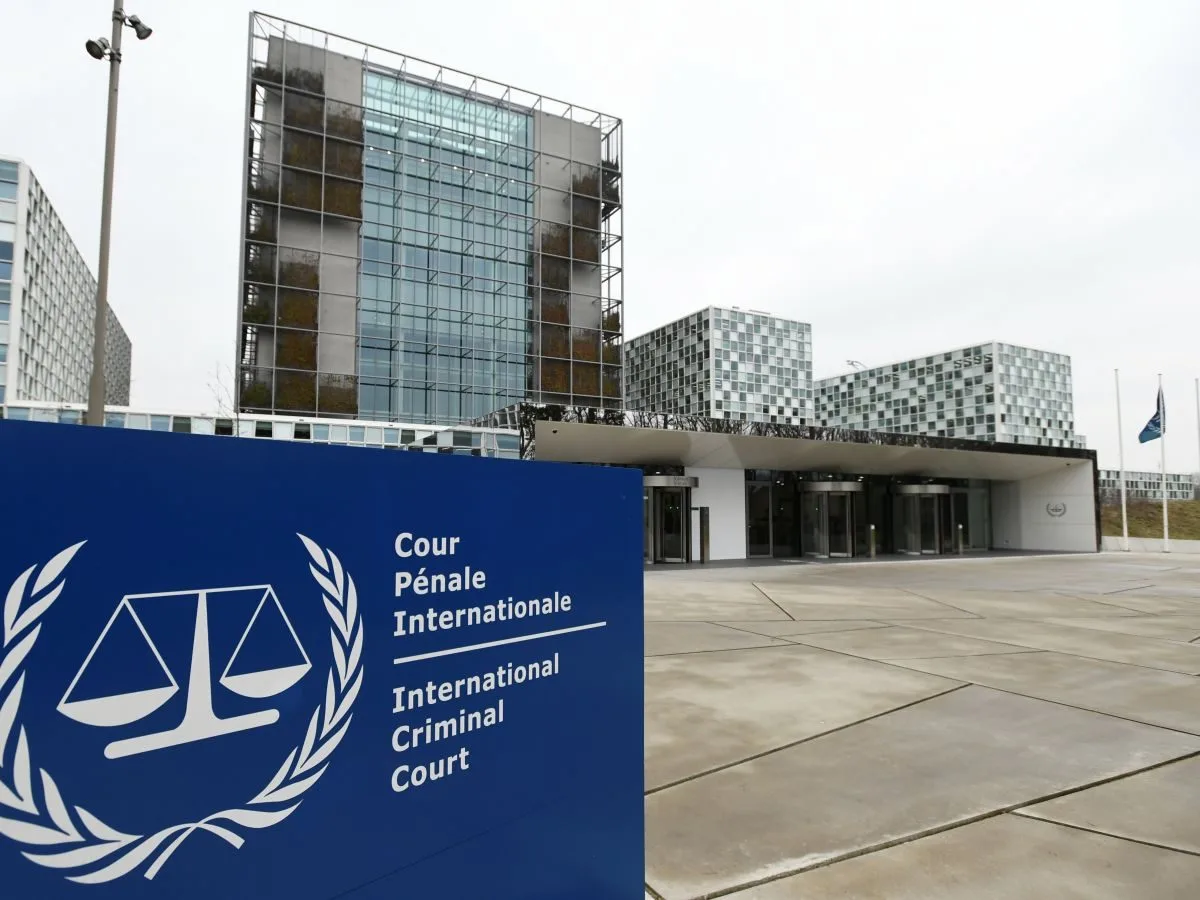
VOCAL Africa Seeks ICC Intervention Over Kenya's Escalating Political Violence
Summary
- VOCAL Africa has written to the ICC urging it to monitor Kenya's deteriorating human rights situation.
- The organization cited rising political violence, attacks on journalists and protesters, and institutional failures as major concerns.
- VOCAL Africa warned that Kenya's history shows how similar factors can escalate into mass violence.
- The organization accused political leaders of using inflammatory language to threaten opponents and mobilize supporters against rival communities.
Kenya's Human Rights Situation: A Warning Sign
The warning signs now emerging must not be ignored until lives have been lost,
The human rights situation in Kenya has been deteriorating at an alarming rate, with rising political violence and attacks on journalists, protesters, and perceived opponents. According to VOCAL Africa, the increasing use of organized gangs at political gatherings, inflammatory rhetoric, and institutional failures could create conditions for widespread human rights violations and potentially international crimes. The organization's warning is not unfounded, as Kenya's history has shown how similar factors can escalate into mass violence. The 2007-2008 post-election violence is a stark reminder of the consequences of ignoring early warning signs. VOCAL Africa's appeal to the ICC is an attempt to prevent a repeat of such atrocities and ensure that those responsible are held accountable.
The Normalization of Political Goonism
VOCAL Africa has raised particular concern over the normalization of political goonism in Kenya, citing the deployment of organized groups during protests, political meetings, civic forums, and other public gatherings to intimidate, assault, rob, and silence politicians, journalists, human rights defenders, women, young people, peaceful protesters, and perceived opponents. The organization has documented incidents in various parts of the country, including Homa Bay, Mombasa, Nairobi, Kisumu, Keumbu in Kisii, Witima in Nyeri, Ol Kalou in Nyandarua, parts of Nakuru, and Kitengela in Kajiado County. These incidents have resulted in attacks on political supporters and journalists, with at least two people killed, including a police officer, and scores injured. The use of violence to silence opponents is a clear indication that Kenya's institutions are failing to prevent human rights abuses.
Inflammatory Politics: A Recipe for Disaster
VOCAL Africa has also accused political leaders of using language that insults, threatens, dehumanizes, or portrays rival political constituencies and communities as enemies. This inflammatory rhetoric is being spread through various channels, including political rallies, media interviews, and digital platforms. The organization warns that such language should not be dismissed as ordinary political competition, but rather seen as a warning sign of potential violence. Kenya's history has shown how inflammatory language can escalate into attacks against civilians when combined with organized gangs, ethnic mobilization, institutional weakness, and impunity. Several politicians have been flagged by State institutions and civil society organizations over alleged hate speech, incitement, ethnic contempt, and inflammatory statements.
Practical Implications
Lawyers should monitor developments on the ICC's response to VOCAL Africa's request, as a potential intervention could impact compliance with international human rights obligations and may lead to changes in Kenya's electoral laws or regulations.
Source
How does this affect you?
Get an AI analysis of this article grounded in your jurisdictions, practice areas, and any policy documents you've uploaded to Wansom.
Wansom is AI and can make mistakes.