
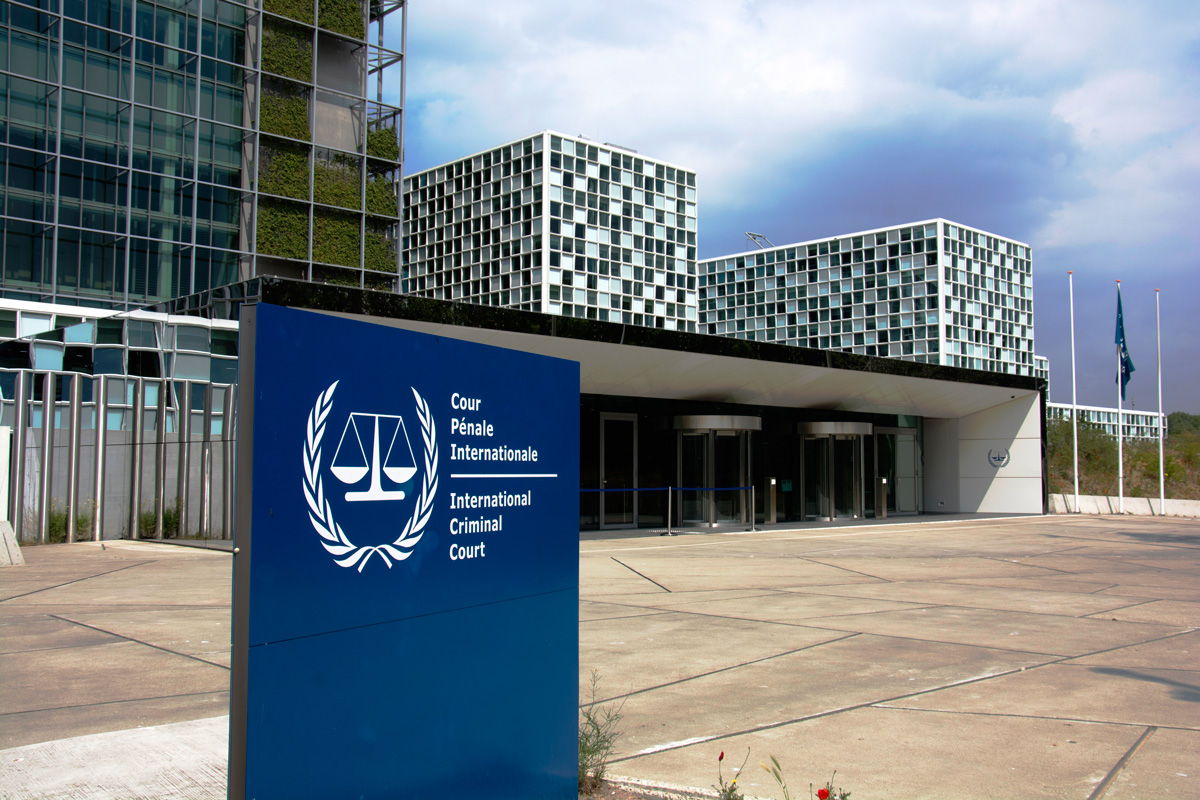
ICC: Ali Kushayb Darfur Reparations Hearing Addresses Victim Needs
Summary
- The International Criminal Court heard calls for tangible reparations for Darfur victims linked to Ali Kushayb, who was convicted and sentenced in late 2025, with a reparations order still pending.
- Victims, many waiting over two decades, seek real change through measures like land restitution, financial compensation, and medical aid.
- A central demand is the recognition of the right to return to original land, supported by comprehensive mapping and documentation.
- The proposal includes recognizing the Fur community for collective reparations while identifying specific beneficiaries, consistent with prior ICC cases.
- Significant challenges include identifying numerous beneficiaries, limited resources, and insufficient cooperation from Sudanese authorities.
The Reparations Hearing
A central priority articulated by victims is the return to their original land, a desire deeply intertwined with their identity and livelihoods.
The International Criminal Court (ICC) in The Hague recently convened a crucial hearing to address the scope and implementation of reparations for victims of crimes in Darfur linked to Ali Kushayb, who was convicted and sentenced in late 2025. This session provided a platform for various stakeholders to present their perspectives on how best to compensate those who have suffered, with a reparations order from the judges of Trial Chamber I expected at a later date.
Submissions were heard from a broad spectrum of participants, including the legal representatives for the victims, the prosecution, the ICC Trust Fund for Victims, the Registry, human rights organizations, amicus curiae, the defense, and potentially the Sudanese government if it chose to be represented. The proceedings underscored the significant delay in justice, as victims have been awaiting redress for over two decades, with some having endured this wait since 2003. Tragically, seven participating victims have already passed away, highlighting the urgency, particularly for elderly and vulnerable individuals.
This ICC Ali Kushayb Darfur reparations hearing is a pivotal moment for victim compensation, aiming to move beyond symbolic gestures towards tangible and effective measures that can genuinely improve the lives of those affected by the Darfur war crimes.
Defining Effective Redress
Natalie von Wistinghausen, the legal representative for the victims, emphasized the need for reparations that deliver real change rather than merely symbolic recognition. Her priorities were shaped by extensive direct consultations and surveys, which garnered over 1,100 responses from victims. These consultations revealed a diverse set of needs, leading to a recommendation against a single compensation model, as victims held differing views on individual financial payments.
Land Restitution and Collective Reparations
A central priority articulated by victims is the return to their original land, a desire deeply intertwined with their identity and livelihoods. While not necessarily seeking an immediate court order for land restitution, which the ICC cannot directly enforce, victims are advocating for recognition of their right to return and practical steps towards eventual restitution. This includes calls for comprehensive mapping and documentation programs to accurately record villages as they existed before the attacks, detailing boundaries, neighborhoods, roads, wells, schools, health centers, markets, cemeteries, grazing land, agricultural areas, and families’ historical links to the land.
This crucial documentation process would draw upon records held by victims’ representatives, community elders, and refugee camps, supplemented by satellite imagery and testimonies from older community members. The representative stressed that such mapping should precede any physical returns and be verified by communities in cooperation with their elders. Furthermore, the hearing considered the concept of ICC collective reparations, with a welcomed proposal to recognize the Fur community as victims due to the widespread impact of the crimes, while carefully distinguishing this collective recognition from the identification of specific individual beneficiaries.
Beneficiaries of the Darfur war crimes reparations should encompass communities directly affected by the crimes of Ali Abdul Rahman in Bindisi, Mukjar, and Deleij, alongside direct and indirect victims, including witnesses who have suffered severe psychological harm. This approach aligns with precedents set in previous ICC cases, such as Lubanga, El Mahdi, and El Hassan, which acknowledged the broader impact of crimes while still identifying specific individuals for reparations.
Navigating Implementation Challenges
Implementing these reparations presents significant challenges, as highlighted during the hearing. These include the vast number of potential beneficiaries, limited available resources, difficulties in identifying and notifying eligible victims, security concerns, and logistical hurdles. A particular obstacle noted was the limited effective cooperation from Sudanese authorities, which complicates efforts to deliver justice.
Victims are dispersed across Darfur, in refugee camps in Chad, and within the wider diaspora, adding to the complexity of outreach and delivery. To address the risk of perpetuating displacement through permanent camp structures, a proposal was made for flexible shelters that could be dismantled, adapted, and moved as people return to their original areas. These innovative shelters could be environmentally friendly, solar-powered, and designed for multiple purposes, offering a practical solution to a complex humanitarian challenge.
Practical Implications
Lawyers advising on international criminal law or post-conflict justice should monitor the ICC's eventual decision on Ali Kushayb reparations, as it will set precedents for the scope, implementation, and challenges of victim compensation, particularly regarding land restitution and collective reparations in large-scale conflict scenarios. This case highlights the complexities of victim identification and the practical difficulties of enforcing such orders without full state cooperation.
Source
How does this affect you?
Get an AI analysis of this article grounded in your jurisdictions, practice areas, and any policy documents you've uploaded to Wansom.
Finish Reading the Full Story and the Expert Analysis.
Wansom is AI and can make mistakes.