
Guinée: Ibrahima Sidibé, Abdoulaye Cissé Face Abus Confiance Trial Over 4 Trucks
Summary
- Ibrahima Sidibé and Abdoulaye Cissé are currently on trial in Guinea for alleged abus de confiance.
- The case involves four trucks with an estimated value of 800 million Guinean Francs (GNF).
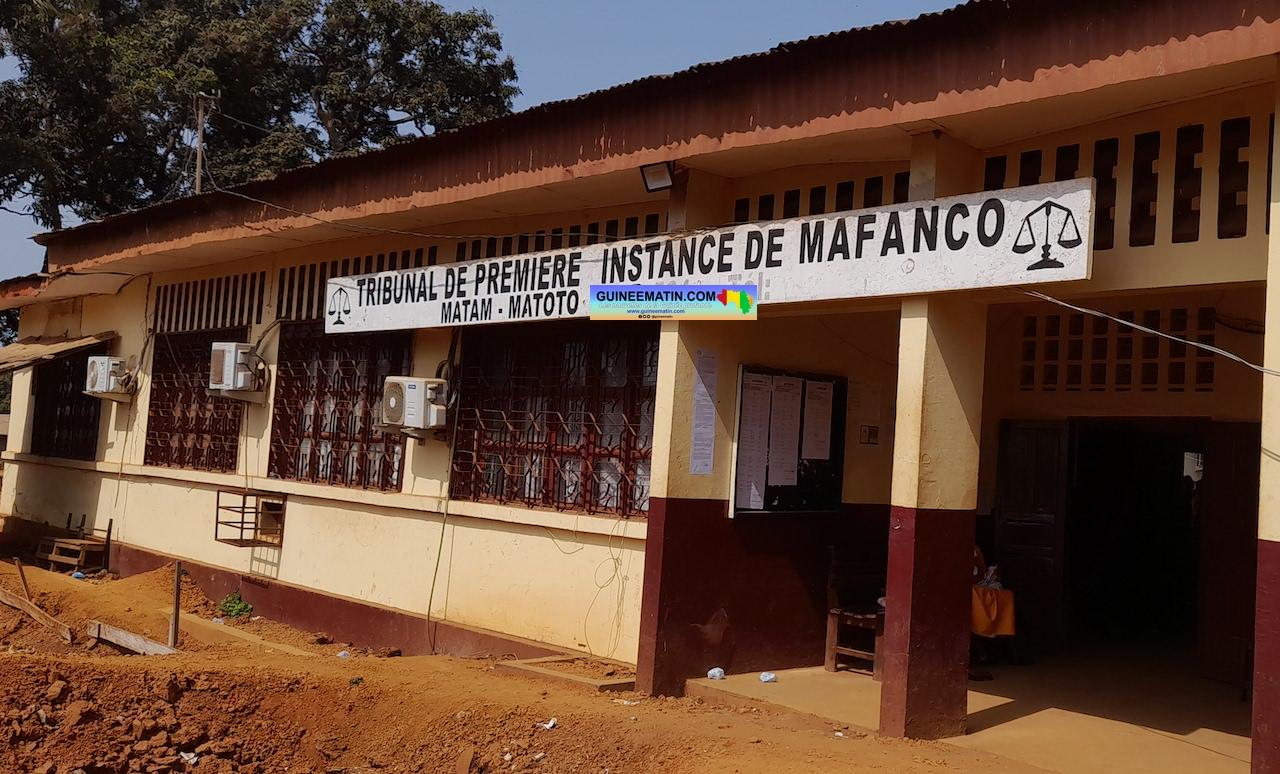
- The trial continued on Thursday, October 29, 2026, at the Tribunal de première instance de Mafanco.
- The civil party in the proceedings is Houssein Sampil.
- The defendants are appearing freely and face a potential one-year prison sentence.
Allegations of Breach of Trust
The active prosecution of this abus de confiance Guinée case, particularly given the substantial value of the four trucks involved, demonstrates the judicial system's resolve to address financial misconduct and protect property rights.
Ibrahima Sidibé and Abdoulaye Cissé are currently undergoing judicial proceedings in Guinea, facing serious allegations of abus de confiance. The trial, which sees both defendants appearing freely before the court, continued its deliberations on Thursday, October 29, 2026, at the Tribunal de première instance de Mafanco. This particular case, often referred to as the Procès Sidibé Cissé Mafanco, highlights the Guinean judiciary's focus on commercial integrity.
The central subject of the alleged breach of trust involves four trucks, which collectively hold an estimated value of 800 million Guinean Francs (GNF). The specifics of how this abus de confiance Guinée allegedly occurred, particularly concerning the détournement camions Guinée, are under intense examination. The prosecution is seeking a one-year prison sentence for each of the accused, reflecting the potential responsabilité pénale abus de confiance associated with such significant financial and asset-based offenses within the nation's legal framework. The involvement of Houssein Sampil as the civil party further emphasizes the direct impact of these alleged actions on individuals and their property.
Legal Framework and Potential Consequences
The legal concept of abus de confiance in Guinea, similar to breach of trust in other jurisdictions, pertains to the misappropriation or misuse of property or funds entrusted to an individual. This legal framework aims to protect individuals and entities from those who exploit a position of trust for personal gain, particularly when it involves substantial assets like the four trucks valued at 800 million GNF in this instance. The ongoing Procès Sidibé Cissé Mafanco serves as a clear example of the judicial system's commitment to upholding these principles.
Under Guinean law, individuals found guilty of abus de confiance can face significant penalties, including imprisonment. In the case of Ibrahima Sidibé and Abdoulaye Cissé, the prosecution's demand for a one-year prison sentence underscores the severity with which the alleged détournement camions Guinée is viewed. This pursuit of responsabilité pénale abus de confiance sends a strong message regarding the consequences for those who violate the trust placed in them, especially in commercial transactions involving valuable property. The court's decision will ultimately determine the application of these legal provisions to the specific facts presented.
Implications for Commercial Trust in Guinea
The case involving Ibrahima Sidibé and Abdoulaye Cissé carries significant implications for commercial dealings and the enforcement of contractual obligations within Guinea. The active prosecution of this abus de confiance Guinée case, particularly given the substantial value of the four trucks involved, demonstrates the judicial system's resolve to address financial misconduct and protect property rights. The presence of Houssein Sampil as the partie civile highlights the direct impact such alleged breaches have on individuals, who rely on the legal system for redress.
This ongoing Procès Sidibé Cissé Mafanco serves as a crucial reminder for businesses and individuals alike about the importance of robust contractual safeguards and diligent oversight when entrusting assets to third parties. The potential for a one-year prison sentence for abus de confiance underscores the criminal liability risks inherent in such arrangements. The outcome of this trial will undoubtedly contribute to the jurisprudence surrounding responsabilité pénale abus de confiance and reinforce the need for meticulous due diligence to mitigate risks associated with détournement camions Guinée and similar commercial disputes.
Practical Implications
This case exemplifies the judicial system's active prosecution of commercial breach of trust in Guinea, particularly involving significant assets. Lawyers should advise clients on robust contractual safeguards and due diligence when entrusting property to third parties to mitigate criminal liability risks under Guinean law.
Source
How does this affect you?
Get an AI analysis of this article grounded in your jurisdictions, practice areas, and any policy documents you've uploaded to Wansom.
Finish Reading the Full Story and the Expert Analysis.
Wansom is AI and can make mistakes.