
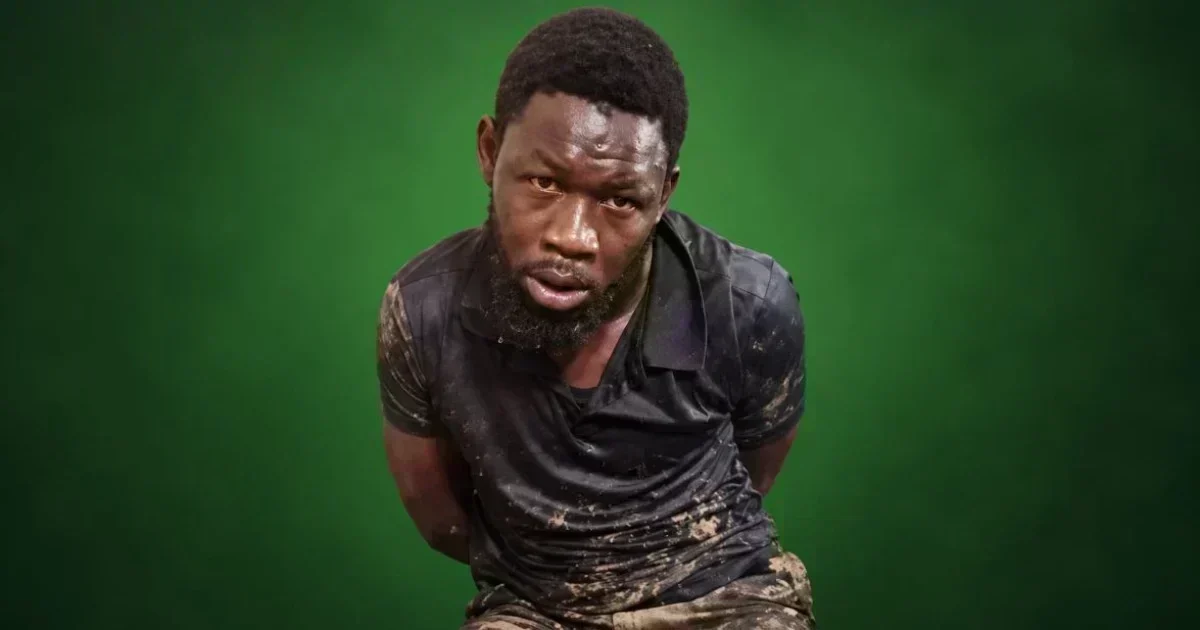
Ibrahima Ndiaye Arrestation Affaire Pape Abdoulaye Touré: Réquisitoire Supplétif Issued
Summary
- Ibrahima Ndiaye, a COUD security agent, has been arrested as the fifth suspect in the "Affaire Pape Abdoulaye Touré," which concerns violence between 2021 and 2024.
- The public prosecutor has issued a supplementary requisition, seeking charges of crimes against humanity, complicity in such crimes, and a detention warrant against Ndiaye.
- Investigators believe they have sufficient evidence to prosecute Ndiaye for acts of torture and inhumane treatment.
- Ndiaye denies involvement, stating he was informally reinforcing security at Pape Malick Ndour's home on June 2-3, 2023, and was not directly involved in Touré's apprehension or alleged mistreatment.
- He claims gendarmes had already apprehended Touré when he was informed of the identification by a colleague.
Latest Developments in the Pape Abdoulaye Touré Case
Investigators involved in the 'Crimes contre l'humanité Sénégal enquête' believe they have accumulated sufficient evidence to pursue prosecution for alleged acts of 'Torture traitements inhumains Sénégal' and other degrading treatments.
Ibrahima Ndiaye, a security agent affiliated with the COUD (Centre des Œuvres Universitaires de Dakar), has been taken into custody as part of the ongoing investigation into the "Affaire Pape Abdoulaye Touré Sénégal." This marks the fifth arrest in the high-profile case, which centers on allegations of violence that occurred between 2021 and 2024. Ndiaye's arrest, which took place in Guédiawaye on October 1st, followed a direct instruction from the public prosecutor. He was already subject to an existing travel ban, preventing him from leaving the country.
Following several instances where the case file was returned to the public prosecutor's office, a significant legal development occurred. The prosecutor has now issued a supplementary requisition, known as a "réquisitoire supplétif," to the investigating judges. This legal instrument specifically targets charges of crimes against humanity and complicity in crimes against humanity, alongside a formal request for a detention warrant against Ndiaye.
Investigators involved in the "Crimes contre l'humanité Sénégal enquête" believe they have accumulated sufficient evidence to pursue prosecution for alleged acts of "Torture traitements inhumains Sénégal" and other degrading treatments. Despite these serious allegations, Mr. Ndiaye has consistently denied any involvement in the reported incidents and, under Senegalese law, remains presumed innocent as the legal process unfolds. The "Ibrahima Ndiaye arrestation affaire Pape Abdoulaye Touré" brings a new dimension to the complex inquiry.
Ndiaye's Account of the Incident
Central to the allegations is Ndiaye's presence at the residence of Pape Malick Ndour during the night of June 2-3, 2023. He confirmed to investigators that he was positioned outside the home, stating he had been called upon to bolster security measures. Ndiaye clarified that he was accompanied by two other COUD agents, Ousmane Ndiaye and Djibril Guèye, but emphasized that their presence was not sanctioned by any official detachment from their superiors at COUD. He explained that the three men had independently agreed to undertake these guard duties to supplement their income during their days off, particularly as the Tabaski holiday approached.
Ndiaye further asserted that he was not directly hired by the former minister, Pape Malick Ndour. Instead, he identified an individual known as "Brise," whose real name he claims not to know and with whom he no longer has contact, as the intermediary who informed him about the security work opportunity at the residence. According to Ndiaye's testimony, his group was situated across from the dwelling when a man, clad in a white boubou with a hooded face, walked past them. Djibril Guèye reportedly believed this individual to be Pape Abdoulaye Touré, though Ndiaye himself expressed uncertainty at the time.
He recounted that other agents, including Guèye, then proceeded to verify the man's identity. Minutes later, Guèye allegedly contacted Ndiaye to confirm it was indeed Touré. Ndiaye maintains that gendarmes had already apprehended Touré by this point. He vehemently denies any personal participation in the apprehension, visiting the arrest site, or being present where Touré was held. Furthermore, he rejects any involvement in the alleged acts of torture and ill-treatment. Ndiaye stated that upon learning of the apprehension, he instructed Djibril Guèye to inform Amadou Tidiane Cissé, who was then the head of COUD security, reiterating that Cissé had not dispatched them to the former minister's residence. He also told investigators that he turned away to count his prayer beads when his colleagues went to follow the man.
Legal Implications and Accountability
The issuance of a "réquisitoire supplétif Sénégal" by the public prosecutor underscores the escalating seriousness of the charges in the "Affaire Pape Abdoulaye Touré Sénégal." By formally requesting a detention warrant and targeting "crimes against humanity" and "complicity in crimes against humanity," the prosecution signals a robust pursuit of accountability for the alleged violence. The inclusion of "Torture traitements inhumains Sénégal" in the investigators' justification for prosecution highlights a commitment to addressing severe human rights violations within the context of the broader inquiry into the 2021-2024 period.
This development also brings into sharp focus the precarious legal position of individuals, like Ndiaye, who engage in security operations without clear official mandates. The fact that Ndiaye and his colleagues were "COUD agent sécurité arrestation" but operating informally for "Pape Malick Ndour sécurité" raises questions about oversight and responsibility. The case could set important precedents regarding the application of international criminal law principles, such as crimes against humanity, within domestic legal frameworks, particularly concerning non-state actors or those acting outside official capacities. The ongoing "Crimes contre l'humanité Sénégal enquête" will undoubtedly scrutinize the chain of command and the extent of involvement of all parties implicated in the alleged abuses.
Practical Implications
Lawyers specializing in criminal defense, human rights, or public law in Senegal should closely monitor this case for precedents regarding the application of 'crimes against humanity' and 'torture' charges against security personnel, especially those operating in informal capacities. It highlights potential legal risks and accountability for individuals and entities involved in security operations without clear official mandates.
Source
How does this affect you?
Get an AI analysis of this article grounded in your jurisdictions, practice areas, and any policy documents you've uploaded to Wansom.
Finish Reading the Full Story and the Expert Analysis.
Get the latest legal & regulatory intelligence in Senegal
Wansom is AI and can make mistakes.