
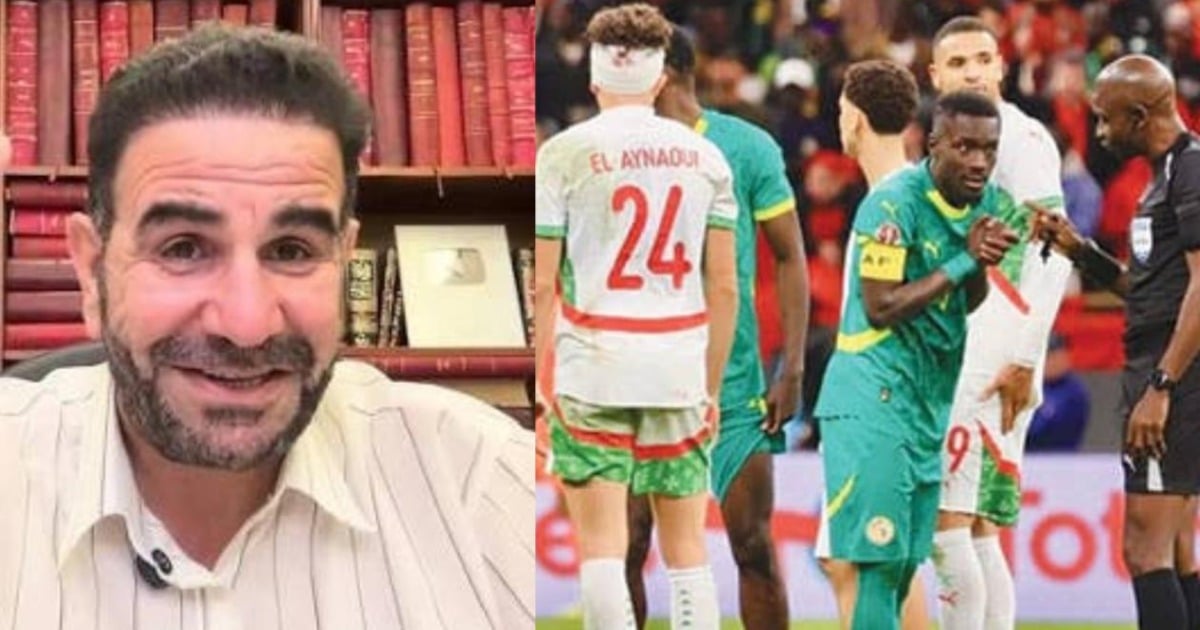
Ibrahim Elminesy Denies Predicting Favorable TAS Verdict for Senegal
Egyptian journalist Ibrahim Elminesy publicly denied claims circulating online in late 2026 that he had predicted a favourable verdict for Senegal from the Court of Arbitration for Sport (TAS/CAS) in its ongoing dispute with Morocco, clarifying that he possesses no such insider knowledge or connections to the TAS. This denial, issued via a YouTube video, came in response to a barrage of messages and insults he received, which falsely attributed to him a prediction of sanctions against Morocco and a positive outcome for Senegal in the high-profile sports arbitration. The core dispute, stemming from a decision by the Confederation of African Football (CAF) Appeals Commission, remains without a public verdict following a TAS hearing held on October 8, 2026.
This incident highlights the critical issue of misinformation and its potential to impact public perception, stakeholder relations, and the integrity of legal processes, particularly in high-profile international sports disputes. For legal professionals, it underscores the paramount importance of relying solely on official pronouncements from judicial or arbitral bodies and exercising extreme caution when encountering unverified reports, especially those disseminated through social media or unofficial channels. The rapid spread of false information can create undue public pressure on arbitral panels, mislead involved parties and the public, and potentially inflame tensions between nations or entities involved in a dispute, thereby complicating an already sensitive legal matter.
The legal context of this matter is firmly rooted in the jurisdiction of the Court of Arbitration for Sport (TAS/CAS), an independent international quasi-judicial body established to settle disputes related to sport through arbitration. Its awards are generally final and binding, subject to limited appeals to the Swiss Federal Tribunal. The underlying dispute originated from a decision by the Confederation of African Football (CAF) Appeals Commission, which reportedly stripped Senegal of a title and awarded a 3-0 administrative victory to Morocco, a decision that the Senegalese Football Federation subsequently appealed to the TAS. The TAS operates under its own comprehensive procedural rules, which govern the conduct of hearings, the deliberation process, and the issuance of awards, ensuring a structured and impartial resolution mechanism. The fact that a hearing was held and the decision remains in deliberation indicates adherence to these established arbitral procedures.
The key parties directly involved in the arbitration are the Senegalese Football Federation and the Moroccan Football Federation, who are the primary litigants before the Court of Arbitration for Sport (TAS/CAS). The Confederation of African Football (CAF) Appeals Commission is also a crucial entity, as its initial decision formed the basis of the appeal to the TAS. While not a party to the arbitration itself, Ibrahim Elminesy became a central figure in the public discourse surrounding the case due to the false attribution of a predictive statement to him. The TAS/CAS itself serves as the adjudicating body, responsible for impartially hearing the arguments and rendering a final decision.
Attorneys and legal professionals involved in international arbitration, particularly within sports law, must remain exceptionally vigilant against the proliferation of unverified information and actively advise clients on the critical importance of adhering to official communication channels. It is crucial to closely monitor official announcements from the TAS/CAS regarding the outcome of this specific dispute, as any decision will undoubtedly set a precedent or clarify interpretations within CAF regulations and broader TAS jurisprudence. Furthermore, practitioners should proactively educate clients on the procedural timelines, confidentiality aspects, and the often-protracted nature of arbitration, managing expectations regarding public pronouncements and guarding against the potential negative impact of speculative or false reporting on their client's position or public image.
How does this affect you?
Get an AI analysis of this article grounded in your jurisdictions, practice areas, and any policy documents you've uploaded to Wansom.
Finish Reading the Full Story and the Expert Analysis.
Get the latest legal & regulatory intelligence in Senegal
Wansom is AI and can make mistakes.