
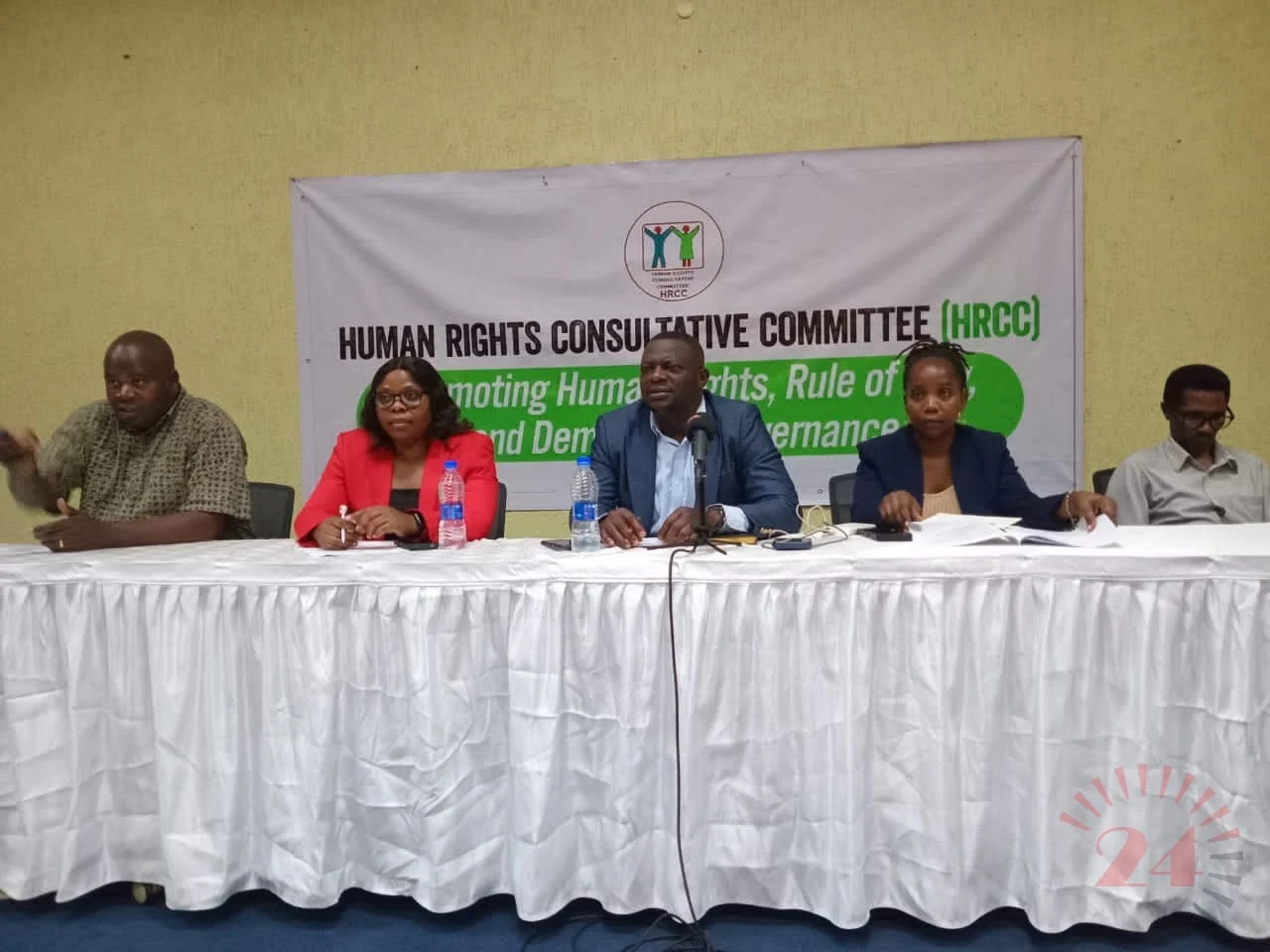
HRCC Malawi: Alarms Over Widespread Fuel Smuggling
Summary
- The Human Rights Consultative Committee (HRCC) has reported widespread fuel smuggling across Malawi's borders.
- This illicit activity is a major contributor to persistent fuel shortages in the country.
- Fuel intended for domestic consumers is being diverted into illegal markets.
- The HRCC conducted investigations in border districts between October 15 and 31.
- The investigation involved engaging community policing, residents, transport operators, and consumers.
What Happened
For legal professionals advising clients operating within Malawi's energy, logistics, or import/export sectors, the HRCC's findings signal a period of heightened regulatory scrutiny and potential enforcement actions.
The Human Rights Consultative Committee (HRCC) in Malawi has recently sounded an alarm regarding widespread fuel smuggling activities occurring across the nation's borders. This illicit trade is reportedly a significant factor contributing to the persistent and challenging fuel shortages experienced throughout the country. The HRCC's findings indicate that substantial quantities of fuel, originally designated for legitimate domestic consumption within Malawi, are being systematically diverted into clandestine, illegal markets.
This critical assessment by the Human Rights Consultative Committee Malawi follows a dedicated investigative effort. The organization undertook a comprehensive inquiry across various border districts, specifically between October 15 and October 31. During this period, the HRCC engaged directly with a diverse range of local stakeholders, including community policing structures, local residents, transport operators, and individual fuel consumers, to gather firsthand information and insights into the scale and nature of the problem. The evidence collected strongly suggests that HRCC Malawi fuel smuggling is a well-organized issue.
The Investigation's Scope
The investigative methodology employed by the Human Rights Consultative Committee Malawi was designed to capture a broad perspective on the issue of border fuel diversion Malawi. Over a two-week period, from mid-October to the end of the month, the HRCC meticulously collected data and testimonies. This direct engagement with those most affected by the shortages and those with proximity to the smuggling routes provided a granular understanding of how fuel intended for the Malawian populace is being siphoned off.
By consulting with community policing structures, the HRCC gained insights into local enforcement challenges and patterns of illicit activity. Conversations with residents and transport operators shed light on the everyday realities of fuel scarcity and the visible signs of illegal fuel markets Malawi. Fuel consumers, grappling with limited access and inflated prices, offered crucial perspectives on the impact of these diversions. This collaborative approach underscored the pervasive nature of Malawi fuel shortages smuggling.
Broader Implications for Malawi
The revelations from the Human Rights Consultative Committee Malawi highlight a critical challenge for the nation's energy security and economic stability. The continuous diversion of fuel supplies into illegal channels not only exacerbates the existing Malawi fuel shortages smuggling crisis but also undermines legitimate businesses and tax revenues. This situation creates an uneven playing field, where illicit operators profit at the expense of the general public and the national economy.
The existence of robust illegal fuel markets Malawi suggests a systemic vulnerability in the supply chain and border controls. Such widespread HRCC Malawi fuel smuggling activities can deter foreign investment, disrupt essential services, and fuel inflation, impacting the daily lives of ordinary Malawians. Addressing this issue is therefore not merely a matter of law enforcement but also a crucial step towards ensuring equitable access to resources and fostering economic predictability.
Regulatory and Compliance Concerns
For legal professionals advising clients operating within Malawi's energy, logistics, or import/export sectors, the HRCC's findings signal a period of heightened regulatory scrutiny and potential enforcement actions. The explicit alarm raised by the Human Rights Consultative Committee Malawi regarding border fuel diversion Malawi indicates that authorities are likely to intensify efforts to combat this illicit trade. Businesses involved in the fuel supply chain must therefore be acutely aware of their compliance obligations.
Compliance officers, in particular, should undertake a thorough review of their supply chain integrity protocols and anti-smuggling measures. Ensuring robust oversight from procurement to distribution is paramount to mitigating risks associated with HRCC Malawi fuel smuggling. Proactive steps to identify and address vulnerabilities can help companies avoid entanglement in illegal activities and protect their reputation and operational continuity in a landscape increasingly focused on combating Malawi fuel shortages smuggling.
Practical Implications
Lawyers advising clients in Malawi's energy, logistics, or import/export sectors should be aware of heightened regulatory scrutiny and potential enforcement actions related to fuel distribution and cross-border trade, given the HRCC's alarm over widespread smuggling. Compliance officers should review supply chain integrity and anti-smuggling protocols to mitigate risks.
Source
Source: Original reporting via Malawi24.
How does this affect you?
Get an AI analysis of this article grounded in your jurisdictions, practice areas, and any policy documents you've uploaded to Wansom.
Finish Reading the Full Story and the Expert Analysis.
Get the latest legal & regulatory intelligence in Malawi
Wansom is AI and can make mistakes.