
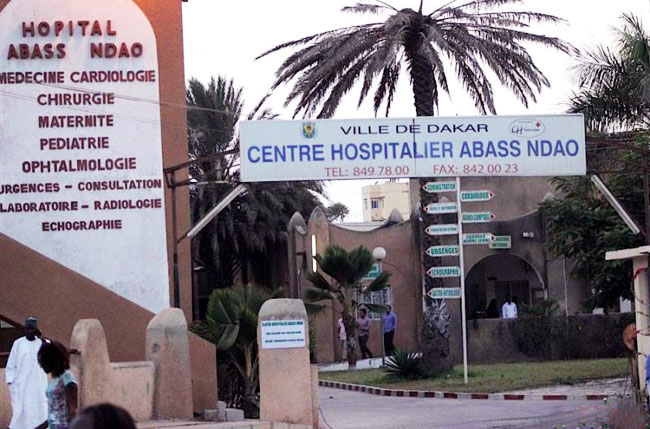
Tribunal Correctionnel Dakar: Hôpital Abass Ndao Mort Nourrisson Jugement Attendu
Summary
- Three years after an infant was found dead in a washing machine at Hôpital Abass Ndao in Dakar, the case was recently heard by the Tribunal correctionnel de Dakar, with a verdict pending.
- Two nurses, Ndèye Birame Sylla and Rose Niang Diop, along with laundry worker Astou Diène, are facing charges of involuntary homicide.
- The legal proceedings aim to determine the individual criminal responsibility of the hospital staff involved in the tragic incident.
- This case highlights the potential for individual accountability among healthcare professionals in Senegal for alleged negligence leading to death.
The Tragic Discovery at Abass Ndao Hospital
The prosecution of these healthcare professionals for involuntary homicide highlights the potential for individual criminal liability stemming from professional duties.
A deeply distressing incident involving the death of an infant at Hôpital Abass Ndao in Dakar has recently returned to the forefront of public attention, with legal proceedings having concluded, with a verdict now awaited. The tragic event, which saw a newborn discovered deceased inside a washing machine, occurred three years prior to the current court appearance. This grim discovery prompted an extensive investigation into the circumstances surrounding the infant's death within the hospital premises.
The case was heard by the Tribunal correctionnel de Dakar on September 10, 2026, marking a significant development in the quest for accountability, with the verdict set for December 17, 2026. The judicial review aims to unravel the precise sequence of events that led to the infant's demise and to determine the extent of responsibility among the hospital staff involved. The proceedings underscore the serious nature of the allegations and the profound impact of the incident on all parties involved, particularly the family of the deceased infant.
Legal Proceedings and Accusations of Involuntary Homicide
In connection with the infant's death, three individuals employed at Hôpital Abass Ndao have been formally charged. These include two nurses, Ndèye Birame Sylla and Rose Niang Diop, alongside Astou Diène, who worked as a laundry attendant. All three are facing charges of involuntary homicide, a serious accusation that implies a death resulted from negligence or a failure to exercise due care.
The Tribunal correctionnel de Dakar is meticulously examining the evidence presented, focusing on the actions and omissions of the accused personnel hospitalier Sénégal. The legal process seeks to establish whether their conduct, or lack thereof, directly contributed to the tragic outcome. This phase of the trial is critical in determining the individual culpability of Ndèye Birame Sylla, Rose Niang Diop, and Astou Diène, as the court weighs the facts surrounding the infant's presence in the washing machine.
Accountability for Professional Negligence
The prosecution of these healthcare professionals for involuntary homicide highlights the potential for individual criminal liability stemming from professional duties. This case, centered on alleged négligence médicale Dakar Abass Ndao, sends a clear message regarding the high standards of care expected within medical institutions. The legal framework in Senegal allows for the pursuit of criminal charges against professionals whose actions or inactions are deemed to have directly caused harm or death, even if unintentional.
This trial is a stark reminder of the `responsabilité pénale professionnels santé` and the critical importance of adhering to established protocols and safety measures in healthcare settings. The outcome of the Hôpital Abass Ndao mort nourrisson jugement will undoubtedly have significant implications for how medical negligence cases are handled in the future, potentially influencing practices across the nation's healthcare sector.
Wider Ramifications for Senegal's Healthcare Sector
The judicial process at the Tribunal correctionnel de Dakar, which recently concluded its hearings and awaits a verdict, extends beyond the immediate fate of the three accused individuals; it carries broader ramifications for healthcare provision throughout Senegal. Such a high-profile case inevitably places a spotlight on patient safety standards, staff training, and oversight mechanisms within hospitals. The scrutiny brought by this trial may prompt a re-evaluation of internal procedures to prevent similar tragedies.
Ultimately, the Hôpital Abass Ndao mort nourrisson jugement serves as a pivotal moment for addressing accountability in medical settings. It underscores the imperative for healthcare institutions to foster environments where patient well-being is paramount and where staff are rigorously trained and supervised to uphold the highest standards of care, thereby mitigating risks of negligence and ensuring public trust in the medical system.
Practical Implications
This judgment underscores the potential for individual criminal liability of healthcare staff in Senegal for involuntary homicide stemming from professional negligence. Lawyers advising hospitals or medical professionals should review internal protocols and staff training to mitigate risks of similar incidents and ensure compliance with patient safety standards.
Source
Source: Original reporting via Les Échos
How does this affect you?
Get an AI analysis of this article grounded in your jurisdictions, practice areas, and any policy documents you've uploaded to Wansom.
Finish Reading the Full Story and the Expert Analysis.
Wansom is AI and can make mistakes.