
HMCTS England Wales: Meta Glasses Ban Confirmed, Devices Confiscated
Summary
- HMCTS in England and Wales has banned Meta smart glasses from all courts and tribunals.
- The AI-powered eyewear will be confiscated upon entry and returned when individuals leave the building.
- This policy follows a High Court case where a litigant's evidence was dismissed due to suspected coaching via smart glasses during cross-examination.
- The ban reinforces existing prohibitions against unauthorized recording devices, with breaches potentially leading to contempt of court charges.
- Smartphones are still permitted in courts, provided they are not used for recording, unlike Meta glasses.
New Policy Takes Effect
The presiding judge, upon learning of the improper use of the device, made the decisive move to entirely dismiss the litigant's evidence.
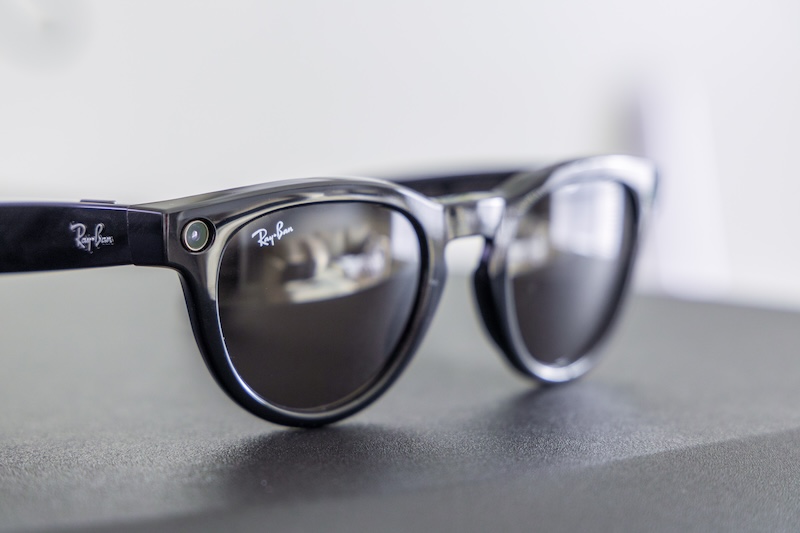
His Majesty's Courts and Tribunals Service (HMCTS) in England and Wales has officially prohibited the use of Meta smart glasses within all courts and tribunals, confirming that these AI-powered devices will be confiscated from individuals upon entry. This new UK courts smart glasses policy marks a significant development, distinguishing Meta AI eyewear from standard smartphones, which are generally permitted as long as they are not used for recording purposes. A spokesperson for HMCTS confirmed that any Meta glasses brought into court or tribunal buildings will be held at the entrance and returned to their owners only upon departure.
The decision by HMCTS aligns England and Wales with a growing list of entities that have outlawed the devices, including various restaurants and pubs, the UK promoter of Comic-Con, and the New York court system. The move underscores concerns about the glasses' inherent capabilities, particularly their reputation as "spyware" due to their ability to covertly record video and audio, a feature that poses a direct challenge to the sanctity of court proceedings.
A Precedent-Setting Incident
The implementation of the HMCTS England Wales Meta glasses ban follows a critical incident reported by Legal Cheek, where the High Court uncovered a litigant receiving assistance or coaching via smart glasses during cross-examination. This revelation proved devastating for the individual's case, which centered on a dispute over the directorship of a property development company.
The presiding judge, upon learning of the improper use of the device, made the decisive move to entirely dismiss the litigant's evidence. This severe outcome highlights the profound risks associated with the unauthorized use of such technology in judicial settings, establishing a clear evidence coaching smart glasses precedent. Despite the court's findings, the litigant maintained that the glasses were not connected to his phone and denied the accusation of being fed answers during the proceedings.
Existing Prohibitions and Penalties
The new Meta AI eyewear court confiscation policy reinforces long-standing prohibitions against unauthorized recording devices in England Wales courts. Current government guidance explicitly bans photography and all forms of recording within courtrooms unless official permission has been granted.
Breaches of these rules are not taken lightly and can lead to serious legal repercussions. Offenders face potential charges for contempt of court, an offense that carries significant penalties, including imprisonment for up to two years and/or a substantial fine. The inherent recording capabilities of Meta smart glasses, even if not actively engaged, present a clear and present danger to the integrity of judicial processes, making their blanket ban a logical extension of existing regulations designed to prevent any form of improper influence or documentation without explicit authorization.
Implications for Court Integrity
The HMCTS England Wales Meta glasses ban serves as a crucial reminder for legal professionals and their clients about the stringent rules governing conduct and technology in judicial environments. Lawyers and compliance officers must now proactively advise clients about this specific UK courts smart glasses policy to prevent the confiscation of Meta glasses and, more critically, to avert potential contempt of court smart glasses charges.
The precedent set by the High Court case, where evidence was entirely dismissed due to suspected evidence coaching via smart glasses, underscores the severe implications of using such devices to improperly influence court proceedings. Maintaining the integrity of testimony and the fairness of trials is paramount, and any technology perceived to undermine these principles will be met with firm action, including the removal of devices and potential legal sanctions against individuals.
Practical Implications
Lawyers and compliance officers must advise clients about the new HMCTS policy to prevent confiscation of Meta glasses and potential contempt of court charges. This also serves as a critical reminder of the severe implications, including evidence being dismissed, if smart devices are used to improperly influence court proceedings.
Source
How does this affect you?
Get an AI analysis of this article grounded in your jurisdictions, practice areas, and any policy documents you've uploaded to Wansom.
Wansom is AI and can make mistakes.