
Haut-Katanga: Civil Society Trained to Monitor Mining Revenues
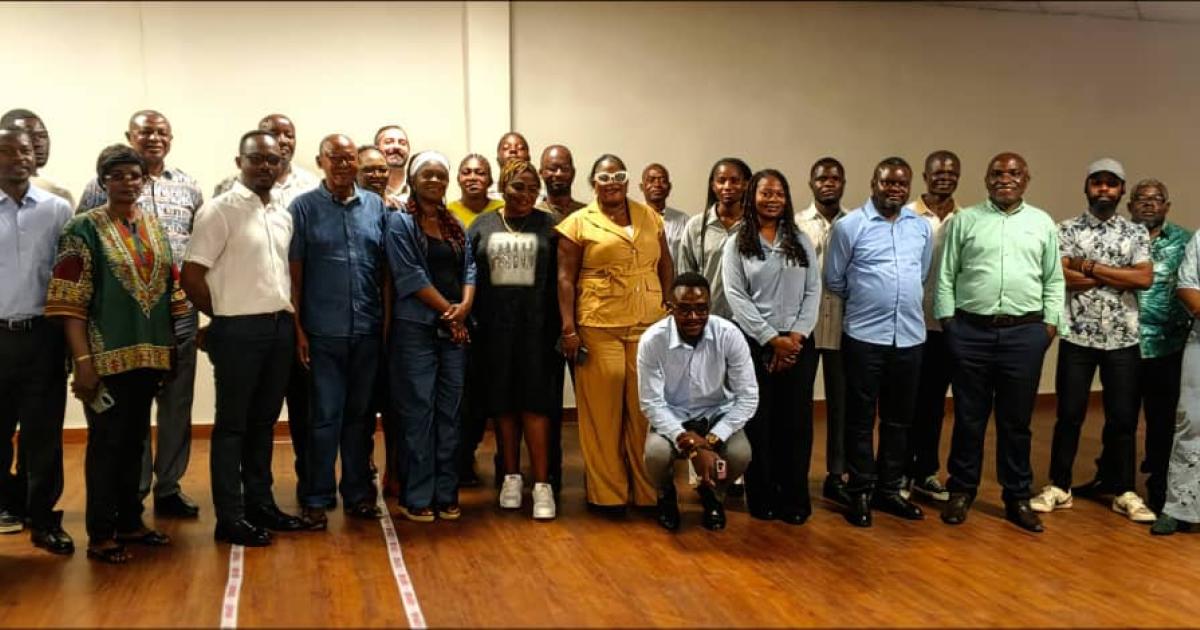
In the Haut-Katanga province of the Democratic Republic of Congo, on October 22, 2026, thirty-five civil society actors and citizen movements participated in a capacity-building workshop focused on improving their ability to monitor the mobilization, allocation, and oversight of subnational revenues generated by the mining sector.
This initiative is highly significant for promoting transparency, accountability, and good governance in the management of mining revenues at the subnational level in the DRC. For legal practitioners, businesses, and local communities, the enhanced capacity of civil society to monitor these funds can lead to increased scrutiny of how mining royalties and taxes are collected and spent by provincial and local authorities. This can result in greater pressure for compliance with legal frameworks governing revenue distribution, potentially leading to more effective resource allocation for local development and reduced opportunities for corruption. It also signals a growing demand for corporate social responsibility and transparency from mining companies, as civil society groups become better equipped to hold both government and industry accountable for their contributions to local development.
The management of mining revenues in the DRC is governed by the Mining Code (Law No. 18/001 of 2018), which stipulates the distribution of mining royalties and taxes between the central government, provinces, and local entities. Specifically, Article 243 of the Mining Code allocates a percentage of mining royalties directly to the provinces and local development funds, aiming to ensure that mining activities benefit the local populations affected by them. Civil society's role in monitoring these "infranational revenues" is crucial for ensuring adherence to these provisions and for advocating for the transparent and equitable use of funds. This workshop empowers these groups to better understand the legal mechanisms for revenue collection and distribution, enabling them to challenge non-compliance or mismanagement through legal and advocacy channels, thereby strengthening the rule of law in resource governance.
The key parties involved are the thirty-five civil society actors and citizen movements from Haut-Katanga province who participated in the workshop. While not explicitly named, the initiative implicitly involves the organizations that organized or funded the workshop, as well as the provincial and local authorities responsible for managing mining revenues, and the mining companies operating in the region whose activities generate these revenues. The focus on capacity building suggests a collaborative effort to improve oversight rather than an adversarial legal proceeding, though it could lay the groundwork for future legal challenges.
Attorneys advising mining companies or local government entities in Haut-Katanga and other mining-rich provinces should be aware of the increasing sophistication and monitoring capabilities of civil society organizations. Companies should anticipate greater scrutiny regarding their tax and royalty payments, as well as their contributions to local development initiatives. Legal professionals should advise clients to maintain meticulous records of all payments and engagements with local communities, ensuring full compliance with the Mining Code's provisions on revenue distribution and local content. Furthermore, businesses should consider proactive engagement with civil society groups to foster transparency and demonstrate their commitment to responsible mining practices, thereby mitigating potential disputes and enhancing their social license to operate.
How does this affect you?
Get an AI analysis of this article grounded in your jurisdictions, practice areas, and any policy documents you've uploaded to Wansom.
Finish Reading the Full Story and the Expert Analysis.
Get the latest legal & regulatory intelligence in DR Congo
Wansom is AI and can make mistakes.