
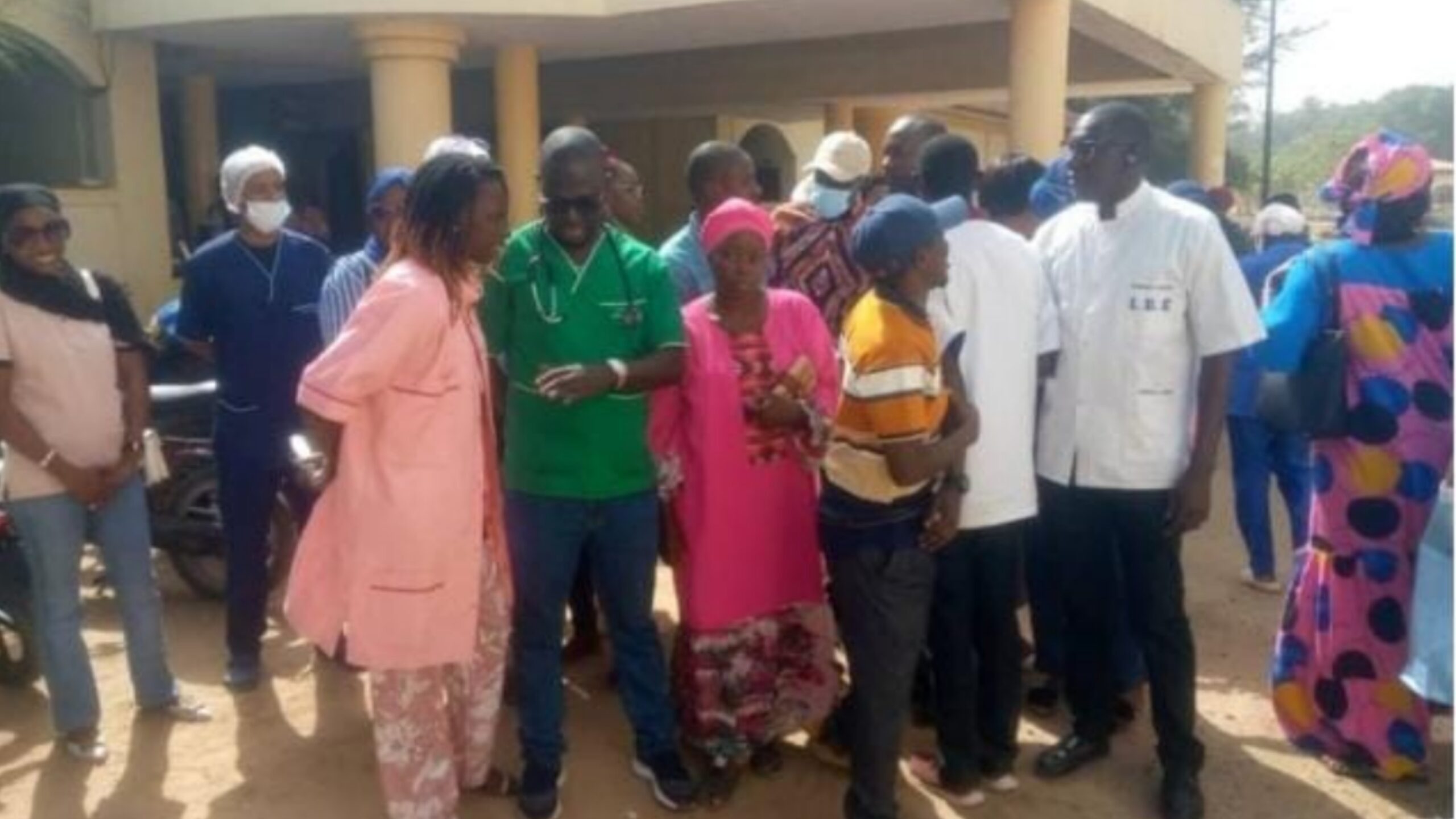
Senegal: Ex-ISMEA Agents Strike Over Unpaid Salaries, Abusive Contracts
Summary
- The Collectif des agents contractuels ex-ISMEA has initiated an indefinite strike at Senegal's Ministry of Health and Public Hygiene.
- The work stoppage, which began on November 12, 2026, at 8:00 AM, protests repeated delays in salary payments.
- Striking agents demand full payment of outstanding wages, an end to abusive successive contract renewals, and integration into the Public Service.
- These agents are crucial for health structures, especially in underserved areas, and their action will continue until all sums are paid.
- The Collective is open to dialogue but requires precise commitments with deadlines and sustainable solutions from the authorities.
What Happened
The indefinite strike by ex-ISMEA agents in Senegal carries significant implications for both the country's public health system and the broader landscape of public sector employment.
The Collectif des agents contractuels ex-ISMEA, representing former ISMEA contract agents, has initiated an indefinite work stoppage at the Ministry of Health and Public Hygiene in Senegal. This strike, which commenced on November 12, 2026, at 8:00 AM, is a direct response to persistent delays in the payment of their salaries. Despite numerous prior warnings issued to the authorities, these ex-ISMEA agents assert that their financial situation has become unsustainable.
These contract agents play a crucial role in maintaining the operational capacity of health facilities across Senegal, particularly in regions facing critical shortages of medical personnel. Their collective action is set to continue without limit until all outstanding remuneration is fully settled. The ongoing dispute highlights significant challenges within the public health sector regarding the treatment of contract staff, leading to the current ex-ISMEA agents strike Senegal.
Legal and Contractual Demands
Beyond the immediate issue of unpaid wages, the Collective is also pressing for broader reforms concerning their employment status. They are urging the Ministry of Health to uphold the Senegalese Labor Code by ceasing the practice of successive contract renewals, which they characterize as abusive. This demand underscores a fundamental concern about job security and fair employment practices for contract workers within the public service, directly addressing the issue of Code du travail Sénégal contrats abusifs.
A long-standing aspiration of the ex-ISMEA agents is their full integration into the Public Service, a prospect that has been discussed for several years but has yet to materialize into concrete action. The Collectif agents contractuels ex-ISMEA has expressed its willingness to engage in dialogue, but insists on receiving precise commitments, accompanied by clear deadlines and sustainable solutions, to address both their immediate financial grievances and their long-term employment status. Dr. Mamadou Ba, based in Ziguinchor, serves as the interim administrative general secretary for the Collective.
Why It Matters
The indefinite strike by ex-ISMEA agents in Senegal carries significant implications for both the country's public health system and the broader landscape of public sector employment. The withdrawal of these essential workers, who staff health structures often in underserved areas, could severely impact healthcare delivery, exacerbating existing personnel shortages. The situation also brings into sharp focus the precarious nature of contract employment within the Senegalese public sector, particularly concerning adherence to labor laws regarding timely compensation and contract terms, such as Sénégal salaires impayés fonction publique.
This dispute serves as a critical test for the Ministère Santé Sénégal grève to demonstrate its commitment to fair labor practices and its ability to resolve long-standing grievances. The demands for adherence to the Code du travail and the integration into the fonction publique underscore systemic issues that could affect numerous other contract workers across various government ministries. The outcome of this ex-ISMEA agents strike Senegal will likely set a precedent for how similar labor disputes are handled in the future, potentially influencing policy changes for public sector entities and contract workers alike.
Practical Implications
Lawyers advising public sector entities or contract workers in Senegal should monitor this ongoing labor dispute, as it highlights potential non-compliance with the Senegalese Labor Code regarding timely wage payments and the legality of successive contract renewals, which could lead to future litigation or policy changes affecting similar employment arrangements.
Source
Source: Original reporting via EMedia.
How does this affect you?
Get an AI analysis of this article grounded in your jurisdictions, practice areas, and any policy documents you've uploaded to Wansom.
Finish Reading the Full Story and the Expert Analysis.
Get the latest legal & regulatory intelligence in Senegal
Wansom is AI and can make mistakes.