
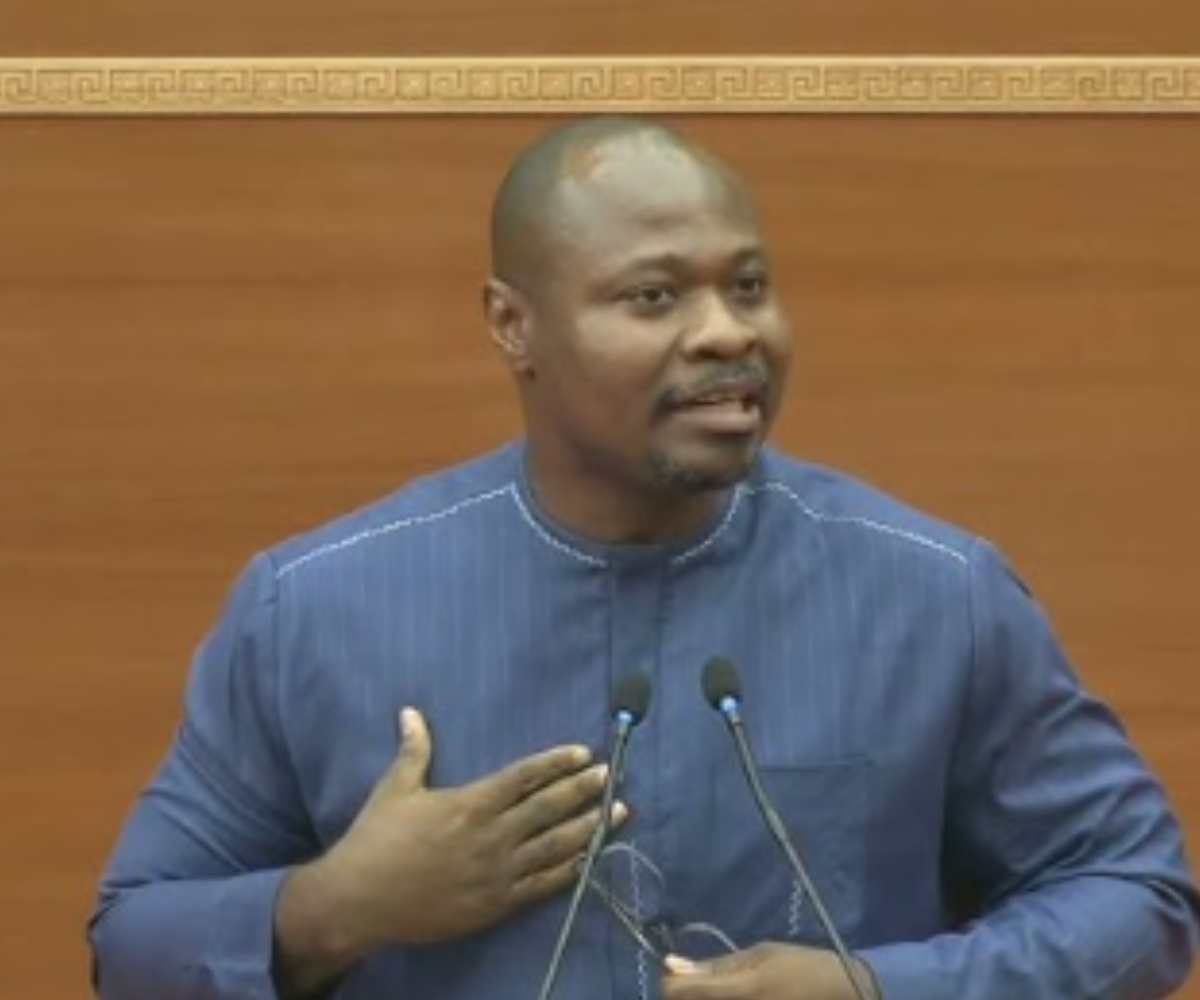
Guy Marius Sagna: Questions Sénégal Government On Construction Site Accidents
Summary
- Député Guy Marius Sagna submitted three written questions to the Senegalese government.
- His inquiries concern the distribution of family security grants, specifically the low share for La Poste.
- Sagna also questioned the settlement of overtime hours for prison guards.
- A key focus of his questions is safety standards on construction sites across Senegal.
Parliamentary Inquiry Launched
Perhaps most critically, the emphasis on preventing accidents de chantier Sénégal underscores a fundamental concern for human life and well-being.
Député Guy Marius Sagna has formally challenged the Senegalese government by submitting three distinct written questions, signaling a parliamentary focus on critical national issues.
These inquiries cover a range of concerns, from the equitable distribution of family security grants to the pressing matter of overtime compensation for prison personnel, and crucially, the state of safety protocols across construction sites in Senegal.
Specifically, regarding the family security grants, Mr. Sagna's first question highlights an apparent imbalance, questioning the notably small portion allocated to La Poste in the payment distribution scheme. This particular point suggests a potential concern over efficiency or fairness in how these vital social welfare funds reach their intended beneficiaries.
His comprehensive approach, encompassing social welfare, public sector employment conditions, and industrial safety, underscores a broad legislative oversight effort. The questions directed at the government by Guy Marius Sagna touch upon fundamental aspects of public administration and citizen well-being, particularly concerning the safety of construction sites in Senegal.
Addressing Labor and Safety Standards
The issues raised by Député Sagna carry significant implications for labor law and regulatory compliance within Senegal. His inquiry into the settlement of overtime hours for prison guards directly addresses a core component of employment rights and fair compensation, falling under the broader umbrella of Senegalese droit du travail.
Ensuring that public sector employees, such as agents pénitentiaires, receive proper remuneration for additional work hours is a fundamental aspect of upholding workers' rights and maintaining morale within essential services. This parliamentary scrutiny could prompt a review of existing policies concerning heures supplémentaires agents pénitentiaires Sénégal and their consistent application across government agencies.
Furthermore, the deputy's focus on sécurité chantiers construction Sénégal highlights a critical area of public and occupational health. Construction accidents can have severe consequences, making robust safety regulations and their stringent enforcement paramount. This line of questioning suggests a legislative intent to scrutinize the responsabilité chantier Sénégal of various stakeholders, including contractors and regulatory bodies, in preventing workplace incidents.
The parliamentary mechanism of written questions serves as a vital tool for legislative oversight, compelling government ministries to provide detailed responses and potentially leading to policy adjustments or enhanced enforcement actions. This process allows for a formal examination of how current laws and regulations are being implemented and whether they adequately protect workers and citizens.
Broader Societal Impact
The issues raised by Député Guy Marius Sagna resonate deeply with the daily lives of many Senegalese citizens, from families relying on social grants to workers in demanding public service roles and those employed in the rapidly expanding construction sector. The parliamentary spotlight on these areas signals a commitment to accountability and improved governance.
Addressing the equitable distribution of family security grants is crucial for social welfare and poverty alleviation, ensuring that support reaches those most in need without undue administrative hurdles or inefficiencies. Any perceived shortcomings in this system, such as the low share for La Poste, warrant immediate governmental attention and rectification.
Similarly, the welfare of prison guards, including their proper compensation for overtime, is not merely an employment issue but also impacts the effectiveness and integrity of the correctional system. Fair labor practices are essential for a stable public service and contribute to overall national development.
Perhaps most critically, the emphasis on preventing accidents de chantier Sénégal underscores a fundamental concern for human life and well-being. A robust framework for safety on construction sites is indispensable for a nation undergoing significant infrastructure development, ensuring that progress does not come at the cost of worker safety. This parliamentary intervention could pave the way for stricter oversight and greater corporate responsibility.
Practical Implications
This parliamentary inquiry signals potential increased scrutiny on construction site safety and labor law compliance regarding overtime pay in Senegal. Lawyers advising construction companies or public sector employers should review their current practices and prepare for possible regulatory changes or heightened enforcement.
Source
How does this affect you?
Get an AI analysis of this article grounded in your jurisdictions, practice areas, and any policy documents you've uploaded to Wansom.
Finish Reading the Full Story and the Expert Analysis.
Get the latest legal & regulatory intelligence in Senegal
Wansom is AI and can make mistakes.