
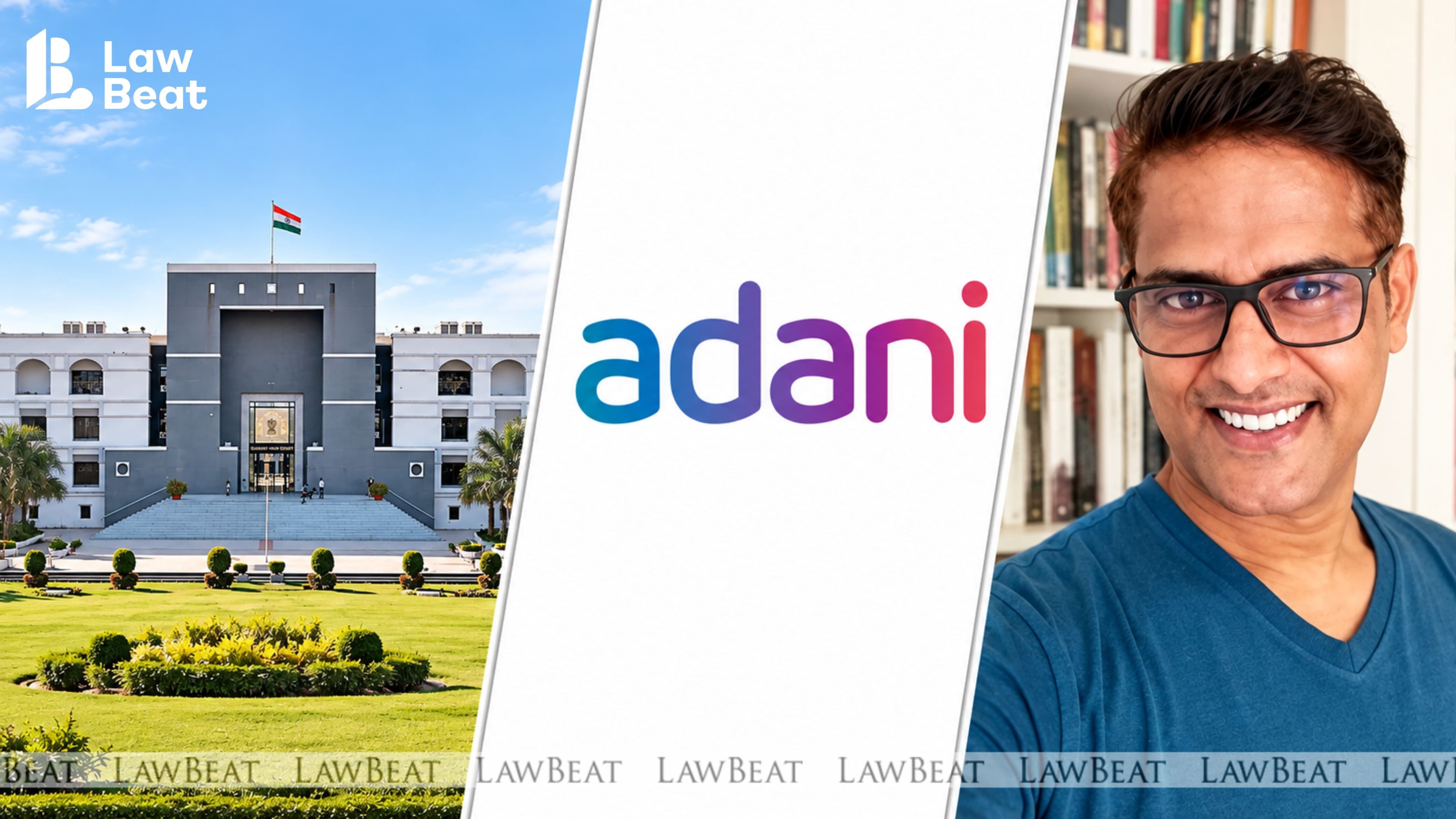
Gujarat High Court: Ravi Nair Challenges Adani Defamation Arrest Warrant
Summary
- Journalist Ravi Nair is challenging his arrest and judicial custody, which resulted from a non-bailable warrant issued in a criminal defamation case filed by Adani Enterprises.
- The Gujarat High Court has allowed Adani Enterprises to file a response to Nair's petition challenging the warrant and his detention, setting the next hearing for September 23.
- Nair's arrest followed his non-appearance at a Sessions Court hearing on September 3, where his request for exemption was rejected, leading to the warrant.
- He was convicted in February 2026 for posts and articles published between October 2020 and July 2021, receiving a one-year simple imprisonment sentence and a ₹5,000 fine.
- Nair argues the non-bailable warrant was issued improperly, without prior notice or a bailable warrant, and contrary to Supreme Court guidelines, citing personal hardship due to his residence in Kerala.
High Court Intervenes in Defamation Arrest
This ongoing legal battle serves as a significant example of the complexities involved in managing personal appearance requirements and non-bailable warrant challenges within the Indian legal system.
The Gujarat High Court recently addressed a petition filed by journalist Ravi Nair, who is challenging his arrest and subsequent judicial custody stemming from a non-bailable warrant. This warrant was issued in a criminal defamation case initiated by Adani Enterprises Limited. During the proceedings, the High Court granted Adani Enterprises the opportunity to submit its response to Nair's plea.
Justice M.K. Thakker, who had previously issued notice on Nair's petition, allowed the corporate entity to present “certain legal and factual aspects” for the court's consideration. Nair's legal representative, Advocate Abhik Chimni, strongly objected to this request for additional time. Chimni argued for immediate interim relief, emphasizing that his client should not endure further incarceration, especially given that the matter had already progressed to the appellate stage. He further contended that Adani Enterprises, as a private complainant, should not be permitted to seek repeated adjournments.
Despite these objections, the High Court determined that since Adani Enterprises was represented following the court's notice, it was entitled to a fair chance to articulate its position. However, the court explicitly stated that no further adjournments would be granted in the case. The next hearing is scheduled for September 23.
The Path to Judicial Custody
This legal battle originates from a criminal defamation complaint lodged by Adani Enterprises against Nair, which led to his conviction by a Judicial Magistrate First Class in Mansa, Gandhinagar district. In February 2026, the Magistrate found Nair guilty and imposed a sentence of one year of simple imprisonment along with a fine of ₹5,000. This conviction was based on a series of posts published on X and various articles disseminated between October 2020 and July 2021.
Following his conviction, Nair appealed the decision to the Sessions Court. His sentence was subsequently suspended, and he was released on bail, subject to several conditions. These stipulations included a requirement for regular personal appearances before the appellate court, obtaining prior permission before traveling outside India, depositing his passport, and refraining from altering his residential address or mobile number without authorization. Nair contends that he primarily resides in Kerala, not Gujarat, and that the mandate for his personal appearance at every hearing imposes significant travel burdens, financial costs, and hardship, particularly since his legal counsel consistently attends the appellate court proceedings.
The events leading to Nair's current predicament escalated on September 3, when he did not personally appear before the Sessions Court, instead seeking an exemption from personal attendance. This application was denied, and a non-bailable warrant was subsequently issued. On September 17, Nair presented himself before the Sessions Court and sought the cancellation of this warrant. However, this application was also rejected, and he was taken into judicial custody on the same day. His counsel had previously informed the High Court that the non-bailable warrant had been issued directly against Nair without following preliminary procedural steps.
Challenging the Warrant's Legality
Nair's petition before the Gujarat High Court specifically challenges the legality of the non-bailable warrant and his subsequent detention. He argues that the warrant was issued without prior notice or summons, and crucially, without first attempting to issue a bailable warrant. His legal team asserts that the procedure adopted by the Sessions Court in this instance deviates from established legal principles laid down by the Supreme Court of India regarding the issuance of such warrants.
Furthermore, Nair's petition seeks the reinstatement of a March 9 order from the Sessions Court, which had initially suspended his sentence and granted him bail. He is contesting the Sessions Court's September 3 order, which concluded that he was absent and allegedly deliberately evading arrest. The core of his challenge rests on the procedural irregularities he perceives in the issuance of the non-bailable warrant, particularly given his geographical distance from the court proceedings and the consistent presence of his legal representative.
Procedural Safeguards and Judicial Discretion
This case, involving journalist Ravi Nair's non-bailable warrant challenge in an Adani criminal defamation India proceeding, underscores critical aspects of criminal procedure, particularly concerning personal appearance requirements and the issuance of coercive processes. The Gujarat High Court's decision to allow Adani Enterprises to respond, while simultaneously setting a strict deadline, reflects a judicial balancing act between ensuring fair opportunity for all parties and preventing undue delays.
The dispute highlights the severe implications of procedural missteps, such as a missing hearing or a rejected exemption from personal appearance in a criminal case, which can swiftly lead to judicial custody. It also brings into focus the challenges faced by individuals, like Nair, who reside far from the court's jurisdiction, making regular personal appearances burdensome. The arguments regarding the direct issuance of a non-bailable warrant without prior notice or a bailable alternative raise fundamental questions about adherence to due process and Supreme Court guidelines in such matters. This ongoing legal battle serves as a significant example of the complexities involved in managing personal appearance requirements and non-bailable warrant challenges within the Indian legal system.
Practical Implications
This case underscores the critical importance for legal practitioners to meticulously manage personal appearance requirements and non-bailable warrant challenges in criminal defamation proceedings, particularly when representing clients with logistical constraints. It highlights the severe consequences of procedural missteps and the court's discretion in balancing parties' rights to respond.
Source
How does this affect you?
Get an AI analysis of this article grounded in your jurisdictions, practice areas, and any policy documents you've uploaded to Wansom.
Finish Reading the Full Story and the Expert Analysis.
Get the latest legal & regulatory intelligence in India
Wansom is AI and can make mistakes.