
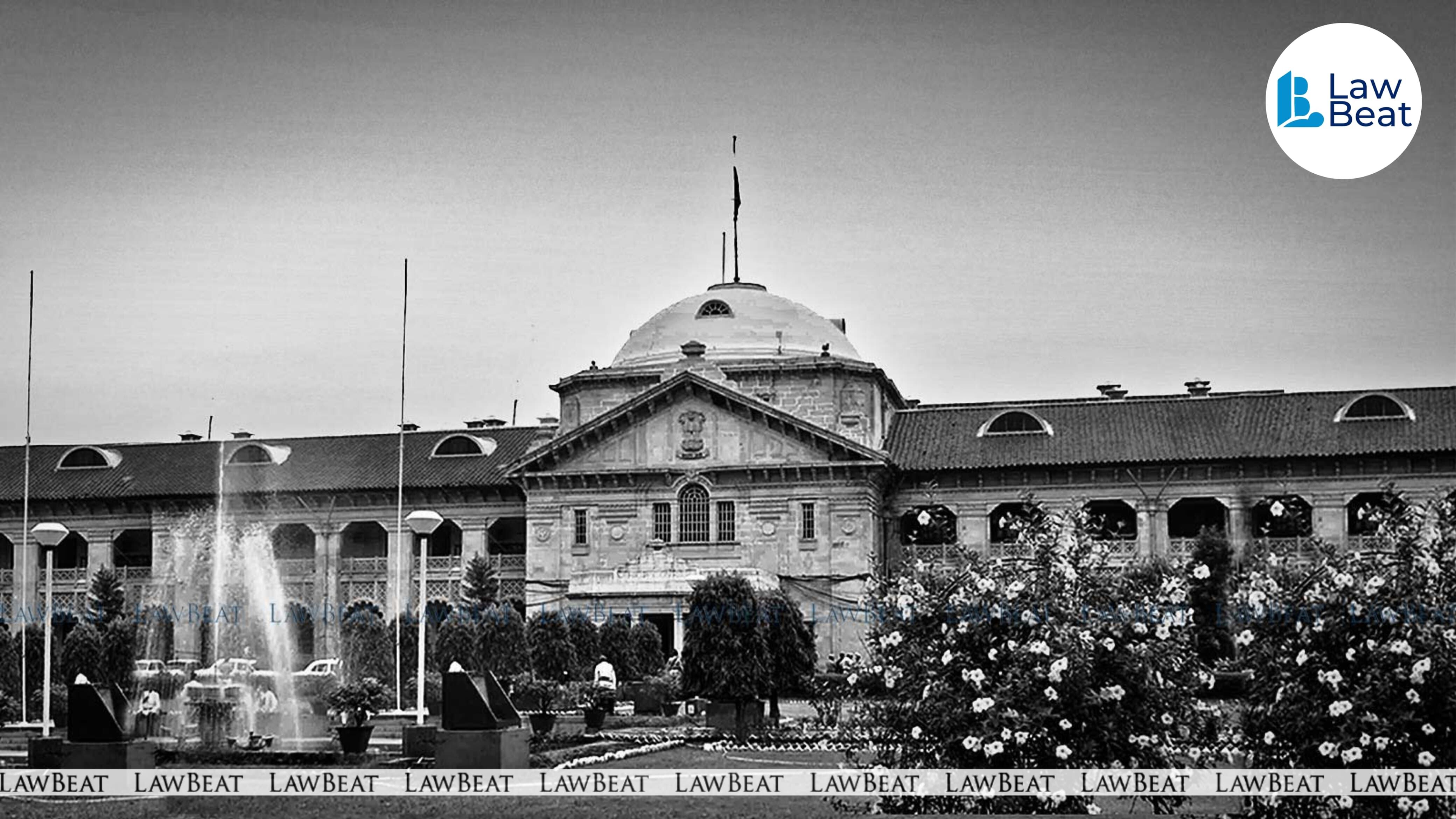
Allahabad High Court: NLU Caste Discrimination Inquiry Ordered
Summary
- The Allahabad High Court has mandated an independent inquiry into caste discrimination allegations at Dr Rajendra Prasad National Law University, Prayagraj.
- The court ordered the re-evaluation of a BA LL.B. student's answer sheets, with strict protocols including masked identities for both the student and original evaluator.
- Allegations include a faculty member using academic and administrative authority for caste-based humiliation and stricter evaluation of a student's papers. Dr. Deepak Sharma, who held these roles, has been relieved of administrative duties pending the inquiry.
- Justice Vinod Diwakar's order also initiated a separate probe by two judicial officers into broader SC/ST student discrimination at the university.
- The court stressed the need for an impartial investigation into the serious claims, without prejudging their truthfulness.
Court Mandates Independent Inquiry at NLU Prayagraj
The court emphasized that while the allegations were serious and warranted examination by an impartial agency, its directive should not be construed as a pre-judgment on their veracity.
The Allahabad High Court has issued a significant directive, ordering an independent inquiry into allegations of caste-based discrimination at Dr Rajendra Prasad National Law University, Prayagraj. This comprehensive order also includes the re-evaluation of a BA LL.B. student's answer sheets, following claims that his papers were subjected to undue scrutiny because of his caste identity. The ruling, delivered by Justice Vinod Diwakar on September 16, addresses a petition brought forward by a PhD research scholar and a fifth-semester BA LL.B. (Hons.) student from the university, the latter also residing in the institution's boys' hostel.
The court's decision underscores a growing judicial focus on addressing sensitive issues of discrimination within educational institutions. The Allahabad High Court NLU caste discrimination inquiry aims to thoroughly investigate the claims while ensuring fairness to all parties involved. This move highlights the judiciary's commitment to upholding principles of equality and non-discrimination in academic environments across India.
Specific Allegations of Caste-Based Humiliation
The petitioners presented serious accusations, alleging that Dr. Deepak Sharma, who was the Head of the Department of Law and also served as the Warden of the Boys' Hostel, leveraged his academic and administrative power to inflict "caste-based humiliation and retaliation." Dr. Sharma has since been relieved of these administrative responsibilities pending the inquiry. The student had previously lodged a complaint with the Vice-Chancellor on August 20, detailing how he believed his answer scripts were being evaluated more rigorously due to his caste.
Further substantiating his claims, the student pointed out that he had previously achieved the highest marks in Constitutional Law-I, a subject designated for a gold medal. He cited a remark made by the faculty member at the beginning of the fourth semester as an indirect reference to his academic performance. Additionally, the complaint highlighted public comments allegedly made by the faculty member concerning caste and reservation, including the statement, "Tum to achchi family se ho, tumhe reservation kyo chahiye?" The student had requested an independent review or re-evaluation of his Constitutional Law-II and other answer scripts, along with assurances of confidentiality to protect his academic future.
Judicial Directives for Impartial Investigation
In its order, the court explicitly stated that its directive should not be interpreted as a finding on the veracity of the allegations. However, it emphasized that the claims were serious and necessitated examination by an impartial agency, ensuring that the individual against whom the allegations were made would receive a full opportunity to be heard. The Vice-Chancellor was instructed to establish an independent committee for the re-evaluation of the student's answer sheets in subjects taught and assessed by respondent No. 6, Dr. Deepak Sharma, as well as any other subjects the student might specify.
Crucially, the court stipulated that no member of this committee could have been an original evaluator, and the faculty member accused would have no direct or indirect involvement in its formation or operation. To ensure complete impartiality, the answer sheets are to be presented to the committee with the identities of both the student and the original evaluator masked. Furthermore, the committee will not be informed of the marks initially awarded. This committee is mandated to submit its report to the Vice-Chancellor within one week, who will then present it to the high court, marking a significant step in the Allahabad High Court independent inquiry NLU.
Broader Probe into SC/ST Student Discrimination
Beyond the specific re-evaluation, the Justice Vinod Diwakar NLU order initiated a separate, broader inquiry. The high court appointed two judicial officers from Prayagraj to investigate whether SC/ST students at Dr Rajendra Prasad National Law University, Prayagraj, had been subjected to caste-based humiliation or discrimination by respondent No. 6 or any other university personnel. This aspect of the probe will also ascertain if complaints related to such issues were handled in accordance with established regulations.
These judicial officers have been granted the authority to record statements from relevant individuals, including the faculty member at the center of the allegations. This dual approach, encompassing both specific re-evaluation and a wider examination of SC/ST student discrimination NLU Prayagraj, highlights the judiciary's increasing scrutiny of caste discrimination allegations India education, signaling a robust commitment to ensuring equitable treatment within academic institutions.
Practical Implications
This case highlights the judiciary's increasing scrutiny of caste discrimination allegations within educational institutions in India. It sets a precedent for the type of independent and rigorous inquiry (including re-evaluation with masked identities) that courts may mandate, signaling to universities and other organizations the need for robust, impartial internal complaint mechanisms and investigation protocols to address such sensitive issues.
Source
Source: Original reporting via Live Law
How does this affect you?
Get an AI analysis of this article grounded in your jurisdictions, practice areas, and any policy documents you've uploaded to Wansom.
Finish Reading the Full Story and the Expert Analysis.
Get the latest legal & regulatory intelligence in India
Wansom is AI and can make mistakes.